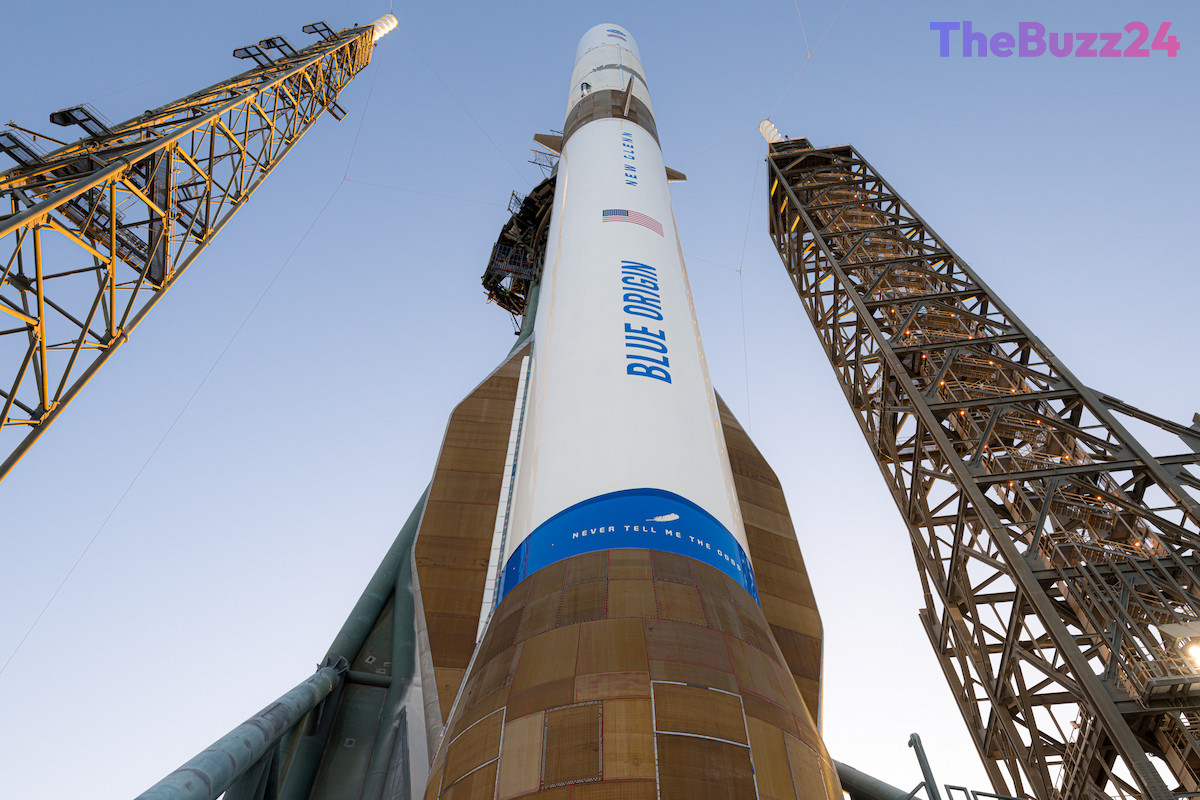
Blue Origin Cleared to Resume New Glenn Launches After Regulatory Review
Blue Origin has officially received authorization from the Federal Aviation Administration to restart flight operations for its New Glenn heavy-lift rocket. This regulatory approval marks the end of a temporary suspension that was enacted following an upper-stage anomaly during an April mission, which resulted in the loss of a commercial satellite payload belonging to AST SpaceMobile.
The investigation into the incident identified an off-nominal thermal condition as the primary cause for the underperformance of one of the rocket’s three engines. While the satellite failed to reach its target orbit and was destroyed upon re-entry, the payload was fully insured. Blue Origin conducted a comprehensive internal review and submitted a detailed report to federal regulators, outlining the specific engineering modifications and enhanced safety protocols designed to prevent a recurrence of the issue.
Despite the setback, the April mission served as a significant milestone for the company’s reusable rocket technology, as the New Glenn booster successfully completed a landing on an ocean-based drone ship. With the investigation now concluded, Blue Origin is pivoting back to its long-term operational goals. The company remains focused on an ambitious launch cadence, targeting up to 12 missions by the end of 2026 to solidify its position in the competitive commercial space sector.
Key Takeaways
- The FAA has authorized Blue Origin to resume New Glenn flight operations following a thorough investigation into an April mission failure.
- The previous anomaly was linked to thermal issues that caused engine underperformance, leading to the loss of a commercial satellite.
- Blue Origin is moving forward with its goal of completing 12 launches by the end of 2026, bolstered by successful booster reusability testing.
Editor’s Analysis & Impact
The FAA’s swift clearance of Blue Origin’s New Glenn program is a vital development for the commercial space sector, which is currently defined by an intense race for heavy-lift capacity. By successfully identifying the root cause of the thermal anomaly and implementing corrective measures, Blue Origin has demonstrated the maturity of its safety and engineering protocols. This resolution is crucial for maintaining investor confidence and meeting the high-stakes demands of commercial satellite operators. Looking ahead, the company’s ability to adhere to its 12-launch target by 2026 will be a litmus test for its operational scalability. As the space economy continues to expand, the reliability of reusable launch vehicles like New Glenn will be the primary driver in reducing costs and increasing the frequency of orbital deployments, positioning Blue Origin as a formidable competitor in the global aerospace market.
Frequently Asked Questions
Q: Why was the New Glenn rocket grounded?
A: The rocket was temporarily grounded following an upper-stage anomaly in April that caused an engine to underperform, resulting in the loss of a commercial satellite.
Q: What is Blue Origin's goal for the New Glenn launch schedule?
A: Blue Origin aims to conduct up to 12 launches of the New Glenn rocket by the end of 2026.
AI Disclosure: This article is based on verified data and official reports. Our Team and AI have cross-referenced every financial detail with primary sources to ensure total accuracy.
More from this Category