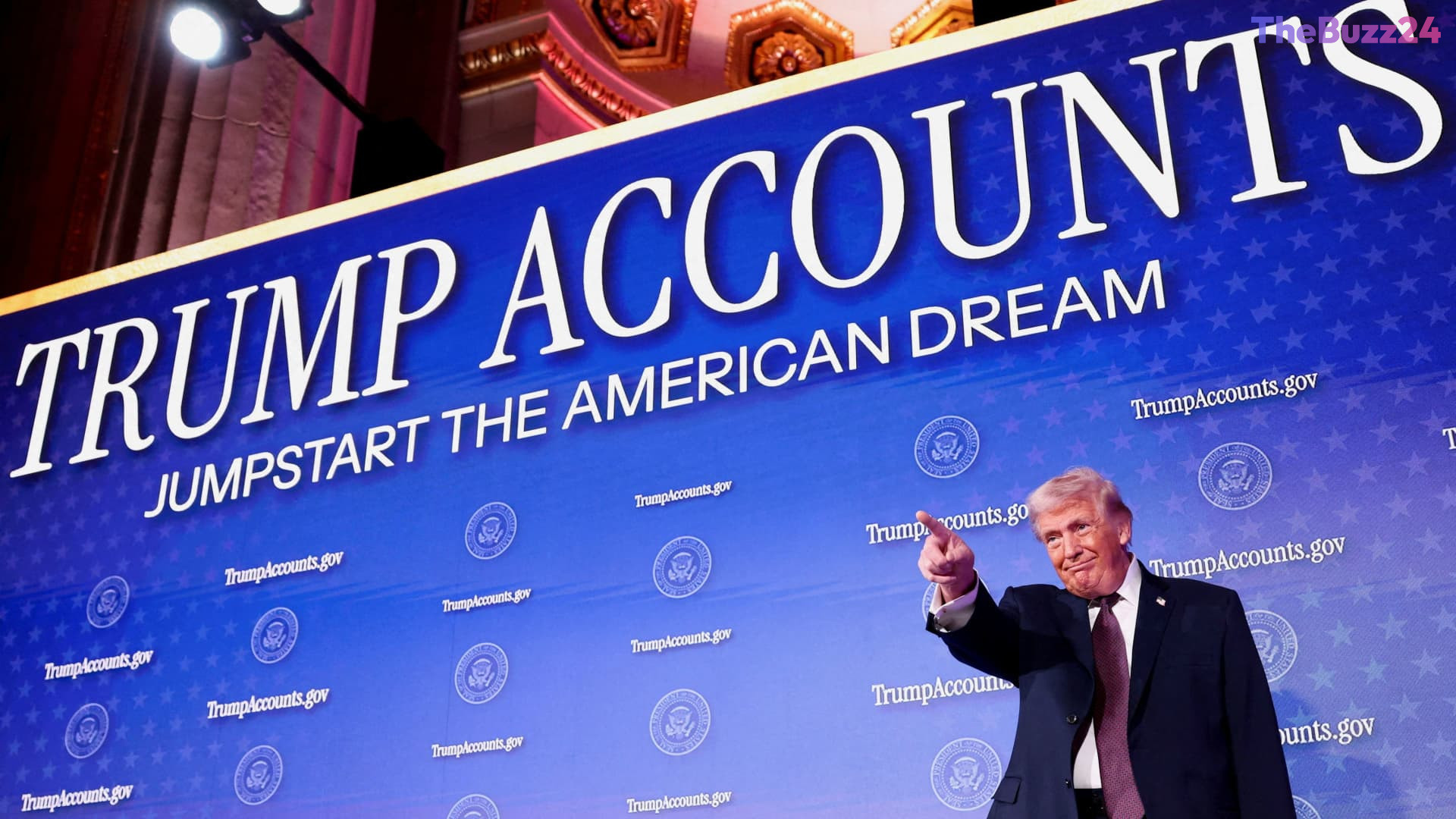
Proposed Policy Shift Could Allow Stock Donations to ‘Trump Accounts’
The federal government is exploring a potential policy update that would permit ‘Trump Accounts’—investment vehicles designed for American children—to accept donations of appreciated stock. Currently, these accounts are primarily funded through cash contributions, but the proposed shift aims to broaden the scope of assets allowed, potentially providing significant tax incentives for high-net-worth donors.
Under the proposed framework, contributors could transfer highly appreciated equities into these accounts, effectively bypassing capital gains taxes that would otherwise be triggered by selling the assets. Additionally, donors would be eligible to deduct the fair-market value of the donated shares against their taxable income. This strategy mirrors established practices used in donor-advised funds, offering a sophisticated tax-planning tool for individuals whose wealth is heavily tied to stock market performance.
While the proposal has gained traction among financial experts and stakeholders like hedge fund manager Brad Gerstner, the implementation path remains a subject of debate. Legal analysts are split on whether the change requires formal congressional legislation or if it could be enacted through Treasury Department guidance or executive action. The complexity increases if the accounts are permitted to hold individual company shares, such as those in SpaceX or Berkshire Hathaway, rather than being limited to broad-market index funds.
Beyond immediate income tax relief, the inclusion of stock donations could serve as a strategic component of estate planning. By moving assets into these accounts, donors could potentially reduce the size of their taxable estates, as charitable deductions for gift and estate tax purposes are currently unlimited. While the administration has signaled interest in maximizing the impact of these accounts, the proposal faces potential political challenges and remains subject to existing caps on charitable contributions based on adjusted gross income.
Key Takeaways
- The government is considering allowing 'Trump Accounts' to accept appreciated stock donations instead of just cash.
- Donors could benefit from avoiding capital gains taxes and receiving income tax deductions for the fair-market value of donated shares.
- The proposal faces uncertainty regarding whether it requires legislative approval or can be implemented through executive or administrative action.
Editor’s Analysis & Impact
The potential expansion of ‘Trump Accounts’ to include stock donations represents a significant intersection of personal finance and public policy. By aligning these accounts with the tax advantages typically reserved for private foundations or donor-advised funds, the administration is effectively incentivizing long-term wealth accumulation for children through equity markets. From a market perspective, this could drive increased demand for specific stocks if these accounts reach a significant scale. However, the policy also invites scrutiny regarding wealth inequality and the use of tax-advantaged vehicles by the ultra-wealthy. If enacted, this would likely become a centerpiece of estate planning strategies, though it will undoubtedly face intense debate in Congress over the potential erosion of the federal tax base and the appropriate regulatory oversight required for such accounts.
Frequently Asked Questions
Q: What are the primary tax benefits of donating appreciated stock?
A: Donating appreciated stock allows the donor to avoid paying capital gains tax on the appreciation of the asset while simultaneously receiving an income tax deduction for the full fair-market value of the stock.
Q: Are 'Trump Accounts' currently able to accept stock donations?
A: No, currently these accounts are designed to accept cash contributions. The ability to donate stock is a proposed policy change that has not yet been finalized or implemented.
AI Disclosure: This article is based on verified data and official reports. Our Team and AI have cross-referenced every financial detail with primary sources to ensure total accuracy.
More from this Category