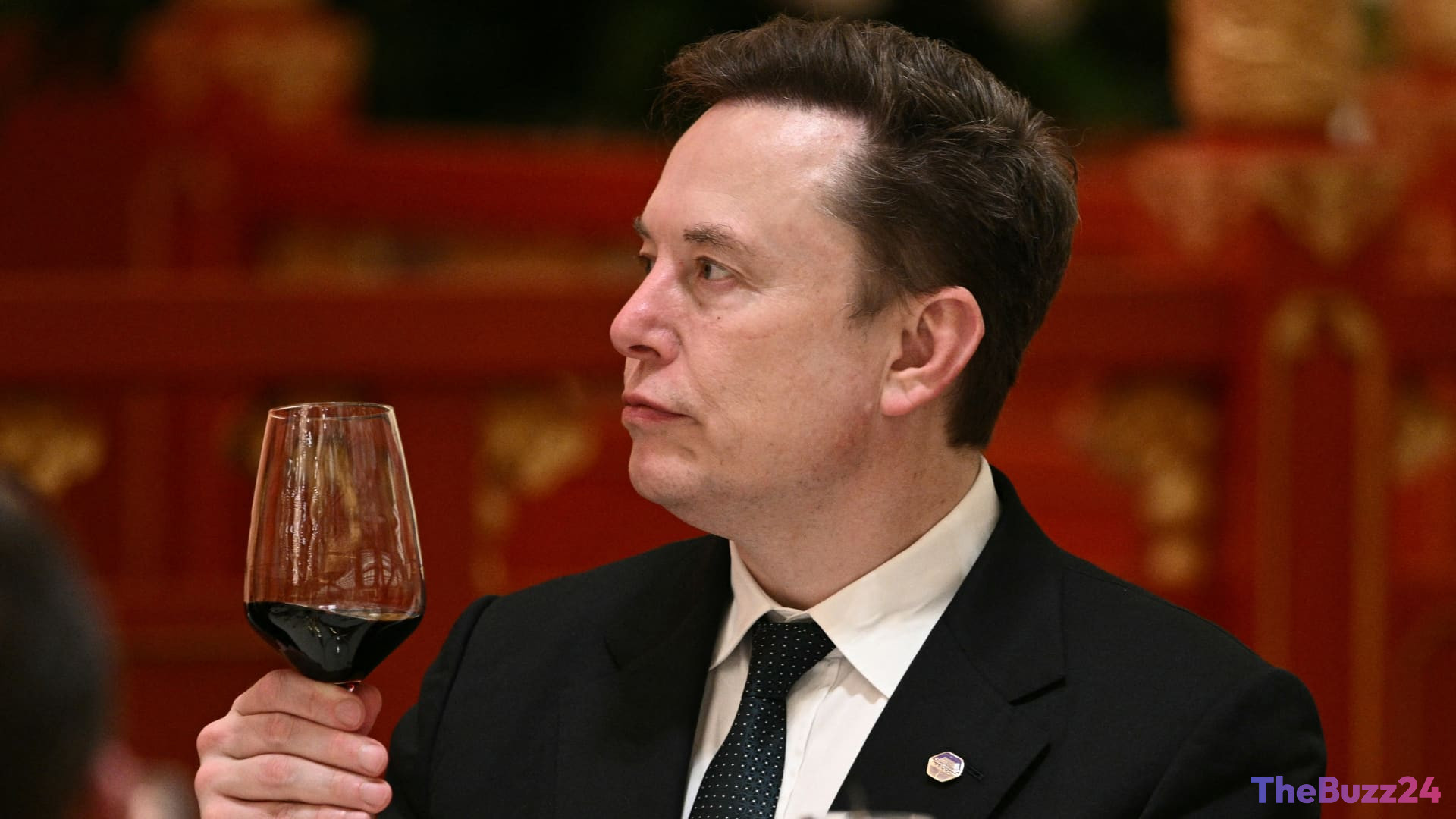
Navigating Geopolitics: Tech Titans Engage Beijing Amidst AI Chip Tensions
In a significant diplomatic and economic outreach, Chinese President Xi Jinping recently hosted a delegation of top American business leaders to discuss the future of U.S.-China commercial relations. The meeting, which included high-profile executives such as Tesla’s Elon Musk, Nvidia’s Jensen Huang, and Apple’s Tim Cook, centered on Beijing’s commitment to maintaining an open market for foreign investment. President Xi emphasized that China intends to widen its doors to international business, fostering an environment of mutual cooperation that benefits both domestic and American interests.
The visiting executives underscored the critical importance of the Chinese market to their global operations, expressing a strong desire to deepen their footprint within the region. These discussions were framed by a broader push to enhance economic ties, with both sides exploring avenues for increased market access and reciprocal investment. For companies like Apple and Tesla, which rely heavily on both Chinese manufacturing and consumer demand, the dialogue serves as a vital bridge to maintain stability in an increasingly volatile regulatory landscape.
This high-level engagement occurs against a backdrop of intensifying technological competition, particularly regarding the export of advanced artificial intelligence hardware. While the U.S. has implemented stringent restrictions on the sale of high-performance AI chips to China, recent developments suggest a more nuanced approach. There have been indications of potential approvals for Nvidia to supply advanced chips to specific Chinese firms, though the regulatory environment remains fluid. Beyond hardware, the discussions also touched upon the necessity of establishing international safety protocols for artificial intelligence to mitigate risks posed by non-state actors, signaling a rare area of potential alignment between the two global powers.
Key Takeaways
- Chinese leadership has reaffirmed a commitment to keeping markets open for major U.S. corporations despite ongoing geopolitical friction.
- Tech giants including Apple, Tesla, and Nvidia are actively lobbying to maintain and expand their operational presence in China.
- The U.S. and China are exploring collaborative safety frameworks for AI development to prevent the misuse of advanced models by non-state actors.
Editor’s Analysis & Impact
The meeting between President Xi and leaders of the world’s most influential tech companies highlights the ‘de-risking’ paradox currently facing the global economy. While the U.S. government pursues a policy of technological containment regarding AI chips, the private sector remains deeply tethered to the Chinese market for both supply chain efficiency and revenue growth. This creates a complex balancing act for CEOs like Jensen Huang and Tim Cook, who must navigate domestic export controls while maintaining favor with Beijing. Looking forward, the industry should expect a ‘bifurcated’ approach: continued strict regulation on cutting-edge military-grade AI hardware, contrasted with a pragmatic, case-by-case approval process for commercial-grade technology. The push for AI safety protocols suggests that both nations recognize the existential risks of unregulated AI, potentially providing a rare diplomatic opening for future cooperation.
Frequently Asked Questions
Q: Why are U.S. tech companies meeting with Chinese leadership?
A: These companies are seeking to ensure market access, protect their supply chains, and maintain stable business operations within China, which remains a critical market for their global growth.
Q: How are AI chip restrictions affecting this relationship?
A: The restrictions create tension between U.S. national security goals and the commercial interests of tech firms. While the U.S. limits high-end chip exports, there is ongoing negotiation to allow specific, less-sensitive technologies to be sold to Chinese firms.
AI Disclosure: This article is based on verified data and official reports. Our Team and AI have cross-referenced every financial detail with primary sources to ensure total accuracy.
More from this Category