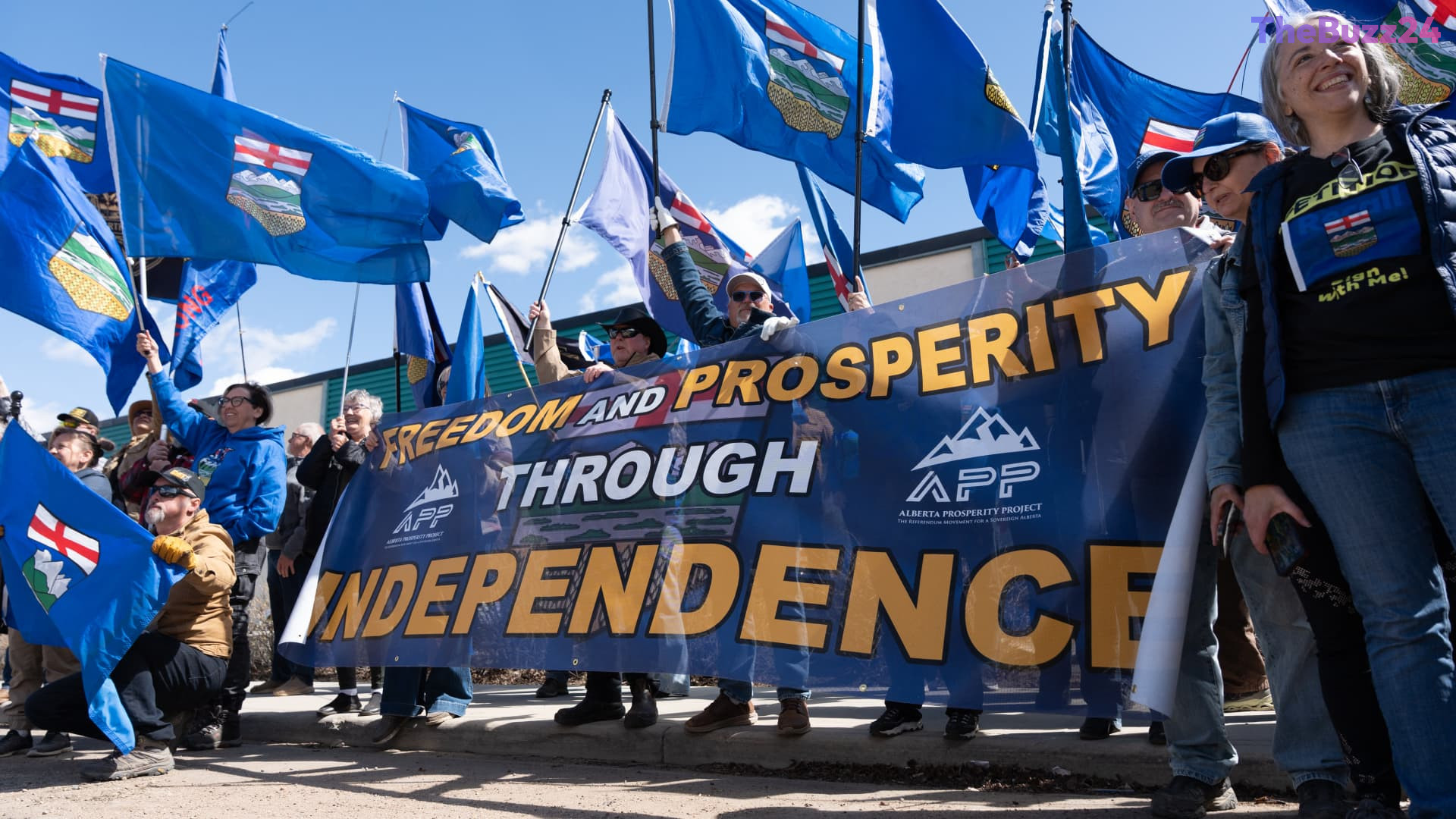
Alberta Sets Date for Historic Non-Binding Referendum on Sovereignty
Alberta Premier Danielle Smith has confirmed that the province will conduct a non-binding referendum on October 19 to assess public opinion regarding its future within the Canadian federation. The vote will ask residents to determine if the provincial government should begin the constitutional processes necessary to eventually pursue a formal, binding vote on independence. This initiative represents a significant milestone in Canadian politics, as it marks the first time a province other than Quebec has moved to put the question of sovereignty to a public ballot.
The move comes after intense advocacy from groups such as Stay Free Alberta, which successfully collected more than 300,000 signatures demanding a formal exploration of independence. Supporters of the movement frequently cite a disconnect between provincial interests and federal policy in Ottawa, arguing that Alberta’s economic and political needs are consistently overlooked. Premier Smith, who has publicly stated her own preference for remaining part of Canada, framed the referendum as a vital democratic exercise to address the frustrations of citizens who feel their concerns have been ignored by the federal government and recent judicial rulings.
Public opinion on the matter remains deeply divided. While the separatist movement has gained significant traction, counter-movements advocating for the preservation of the federation have reportedly mobilized even larger numbers of supporters. As a critical pillar of the Canadian economy and a global leader in energy production with the world’s fourth-largest proven oil reserves, the implications of this debate extend far beyond provincial borders. The results of the October vote are expected to influence national discourse and shape the future relationship between Alberta and the federal government for years to come.
Key Takeaways
- Alberta will hold a non-binding referendum on October 19 to gauge public support for exploring independence from Canada.
- The vote is a response to significant pressure from separatist groups and citizens who feel their interests are ignored by federal authorities.
- The province's status as a major global energy producer makes the outcome of this debate a matter of national economic significance.
Editor’s Analysis & Impact
The decision to hold a sovereignty referendum in Alberta signals a deepening fracture in the Canadian federalist model. By moving this debate from the fringes of political discourse to a formal ballot, the provincial government is forcing a national conversation on constitutional reform and regional autonomy. Economically, the uncertainty surrounding Alberta’s future could impact investor confidence in the energy sector, which remains the backbone of the provincial economy. If the referendum results in a strong showing for the separatist movement, it will likely trigger a period of prolonged constitutional tension, forcing the federal government to reconsider its approach to regional grievances. Conversely, a decisive vote to remain could stabilize the political climate, though it is unlikely to fully silence the underlying frustrations regarding federal overreach and resource management.
Frequently Asked Questions
Q: Is the upcoming Alberta referendum legally binding?
A: No, the referendum scheduled for October 19 is strictly non-binding and is intended to gauge public sentiment rather than enact immediate legal changes.
Q: What is the primary goal of the referendum?
A: The goal is to determine if the provincial government should initiate the formal legal processes required under the Canadian Constitution to eventually hold a binding vote on separation.
AI Disclosure: This article is based on verified data and official reports. Our Team and AI have cross-referenced every financial detail with primary sources to ensure total accuracy.
More from this Category