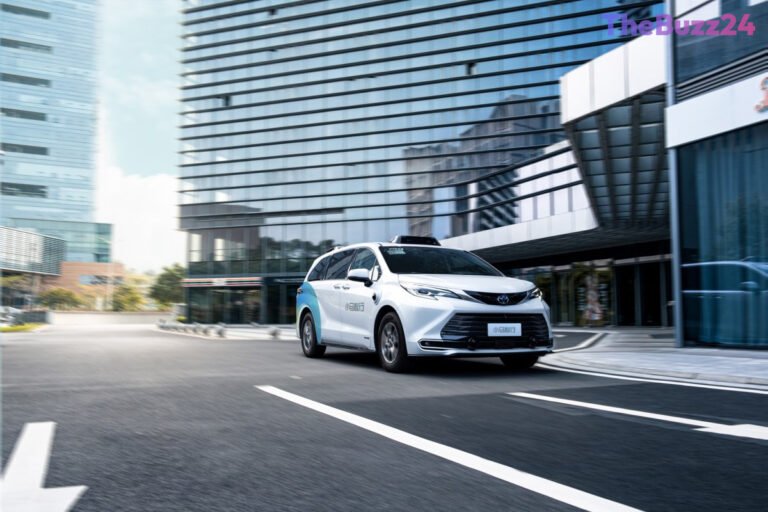
Stellantis Targets North American Growth Through Strategic Global Alliances
Stellantis is actively recalibrating its North American growth strategy by leveraging international partnerships to expand its regional footprint. While the company remains cautious about introducing Chinese-branded vehicles into the United States due to complex trade sensitivities and market dynamics, it is identifying Canada and Mexico as primary hubs for potential expansion.
A central component of this strategy involves deepening ties with Zhejiang Leapmotor Technology Co. Stellantis, which currently holds a 21% stake in the Chinese automaker and operates a majority-owned joint venture for global manufacturing, is assessing how Leapmotor’s vehicle lineup could be integrated into the Canadian and Mexican markets. This move is designed to maximize production capacity and accelerate the company’s transition toward electric vehicle adoption while sharing the heavy capital burden associated with modern automotive manufacturing.
Simultaneously, the company is pursuing a distinct path for its United States operations by prioritizing collaborations with non-Chinese manufacturers. CEO Antonio Filosa has signaled an interest in exploring synergies with Jaguar Land Rover, citing a strong alignment in industrial profiles and product development philosophies. By diversifying its partnership portfolio, Stellantis aims to optimize its manufacturing efficiency and maintain a competitive edge in an increasingly volatile global automotive landscape.
Key Takeaways
- Stellantis is exploring the introduction of Leapmotor vehicles into Canada and Mexico to bolster its North American presence.
- The U.S. market is currently excluded from the Chinese-brand expansion strategy due to trade and regulatory sensitivities.
- Stellantis is actively seeking potential industrial synergies with Jaguar Land Rover to strengthen its U.S. manufacturing and development capabilities.
Editor’s Analysis & Impact
Stellantis is navigating a precarious geopolitical landscape by bifurcating its North American strategy. By utilizing its stake in Leapmotor to penetrate markets like Canada and Mexico, the company is effectively hedging against the high costs of EV development while utilizing existing manufacturing capacity. However, the decision to avoid Chinese brands in the U.S. reflects a pragmatic understanding of current protectionist trade policies and political scrutiny. The potential collaboration with Jaguar Land Rover suggests that Stellantis is looking to consolidate industrial expertise to compete with agile, pure-play EV manufacturers. If successful, this multi-pronged approach could allow Stellantis to maintain market share across diverse economic zones without over-extending its own capital reserves. The long-term success of this strategy will depend on how effectively the company can integrate disparate supply chains and brand identities under a unified operational umbrella.
Frequently Asked Questions
Q: Why is Stellantis avoiding the introduction of Chinese-branded vehicles in the United States?
A: Stellantis is avoiding the U.S. market for Chinese-branded vehicles primarily due to current trade sensitivities, regulatory hurdles, and the complex political landscape surrounding international automotive imports.
Q: What is the nature of the relationship between Stellantis and Leapmotor?
A: Stellantis holds a 21% stake in Zhejiang Leapmotor Technology Co. and maintains a majority-owned joint venture that focuses on international manufacturing and sales of Leapmotor vehicles.
AI Disclosure: This article is based on verified data and official reports. Our Team and AI have cross-referenced every financial detail with primary sources to ensure total accuracy.
More from this Category