Strained Diplomacy: U.S.-Iran Tensions Persist Over Nuclear Policy and Maritime Security
Diplomatic channels between the United States and Iran are currently navigating a precarious landscape as both nations attempt to reconcile deep-seated differences. While recent negotiations have suggested a slight narrowing of positions, the core issues of nuclear enrichment and maritime transit rights remain significant obstacles to a comprehensive resolution. The atmosphere remains characterized by a delicate balance between high-level dialogue and entrenched geopolitical posturing.
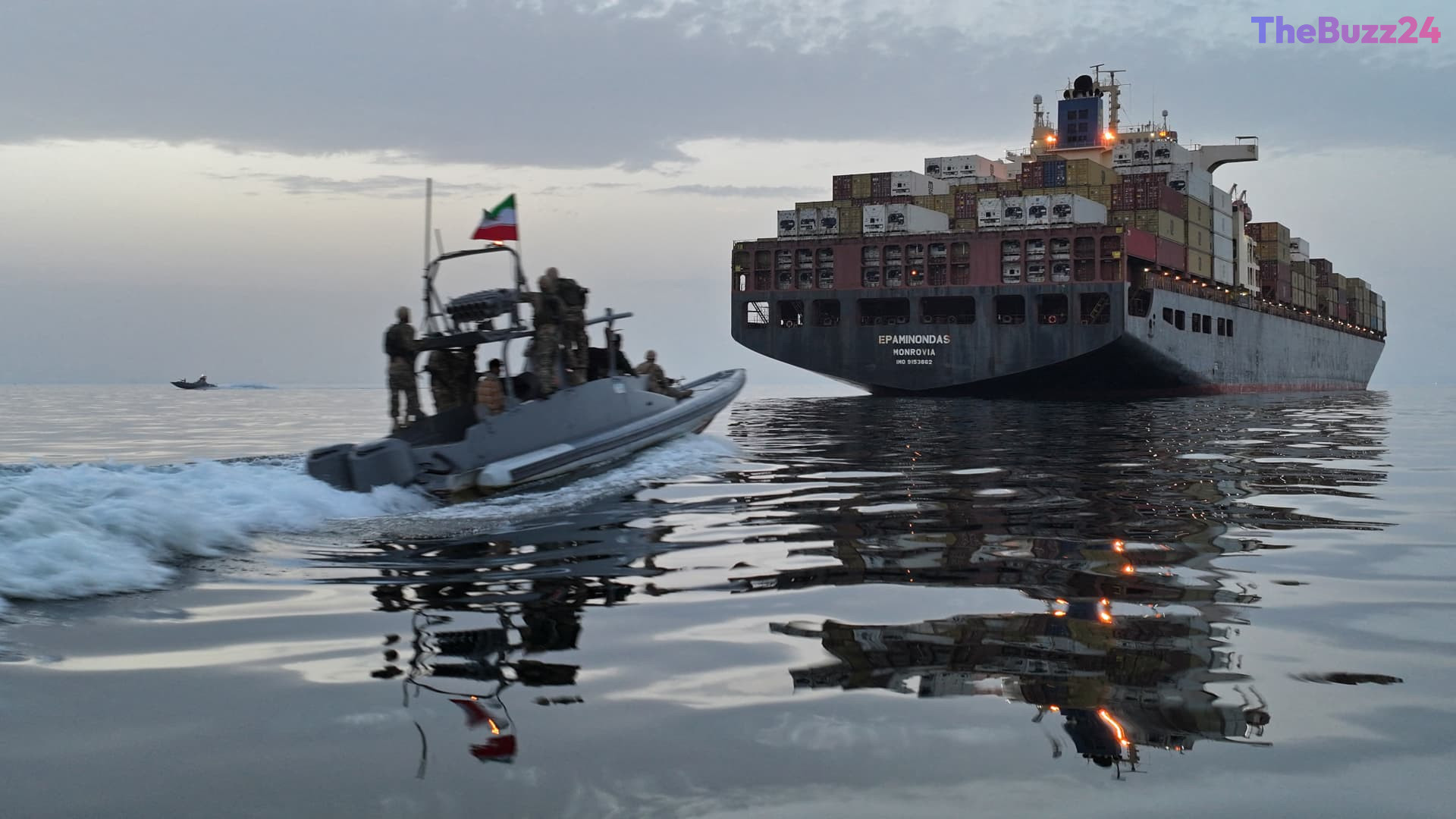
At the heart of the maritime dispute is the strategic Strait of Hormuz. The United States has taken a firm stance against any Iranian efforts to implement a tolling system within the waterway, insisting that the passage must remain an unrestricted international transit route to protect global energy security. This position has been reinforced by the current administration, which maintains that the freedom of navigation in the region is a non-negotiable priority, backed by a continued naval presence in the Arabian Sea, including the deployment of the USS Abraham Lincoln strike group.
Simultaneously, the nuclear impasse continues to loom over all diplomatic efforts. Washington is demanding the removal of Iran’s enriched uranium stockpile, citing significant proliferation risks. Conversely, Iranian leadership maintains that its nuclear activities are intended solely for peaceful purposes. Recent directives from Ayatollah Mojtaba Khamenei, which reportedly prohibit the export of near-weapons-grade materials, have further complicated the negotiation process. As international mediators work to bridge these gaps, the region remains on high alert, with military blockades and diplomatic rhetoric creating an environment of persistent uncertainty.
Key Takeaways
- The U.S. remains committed to keeping the Strait of Hormuz open, rejecting any Iranian attempts to impose tolls on the vital energy transit route.
- Nuclear proliferation concerns persist as Washington demands the removal of Iran's enriched uranium stockpile, a request currently resisted by Iranian leadership.
- Despite ongoing diplomatic mediation, military tensions remain high with the U.S. maintaining a naval blockade and a significant strike group presence in the region.
Editor’s Analysis & Impact
The ongoing standoff between the U.S. and Iran represents a critical flashpoint for global energy markets and regional stability. The insistence on maintaining open transit through the Strait of Hormuz is essential for preventing supply chain shocks in the oil sector, yet the military posturing required to enforce this creates a constant risk of accidental escalation. From a geopolitical perspective, the impasse over uranium enrichment suggests that neither side is currently willing to make the concessions necessary for a long-term treaty. The future outlook remains volatile; unless a breakthrough in nuclear oversight is achieved, the region will likely remain in a state of ‘managed conflict,’ where diplomatic efforts are perpetually undermined by military maneuvers. Investors and policymakers should anticipate continued volatility in energy prices and heightened security risks in the Middle East for the foreseeable future.
Frequently Asked Questions
Q: Why is the Strait of Hormuz a point of contention?
A: The Strait of Hormuz is a vital global energy transit point. The U.S. opposes Iranian attempts to impose tolls, arguing that the waterway must remain free and open for international commerce.
Q: What is the primary disagreement regarding Iran's nuclear program?
A: The U.S. is pushing for the removal of Iran's enriched uranium stockpile due to proliferation concerns, while Iran maintains its nuclear program is strictly for peaceful, domestic applications.
AI Disclosure: This article is based on verified data and official reports. Our Team and AI have cross-referenced every financial detail with primary sources to ensure total accuracy.
More from this Category