Resilience Amid Ruin: Why Southern Lebanon Clings to Hezbollah Despite Devastating Conflict
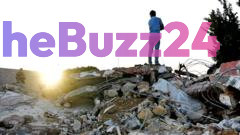
A devastating airstrike in the southern Lebanese town of Saksakiyeh recently claimed the lives of nine civilians, including an elderly woman and her two-year-old great-granddaughter. This tragedy highlights the fragile state of the region, where hostilities between Israeli forces and the Shia group Hezbollah persist day and night despite a recently brokered ceasefire. The ongoing exchange of strikes has left vast swathes of southern Lebanon in ruins, forcing over a million residents to flee their homes in search of safety.
For the historically marginalized Shia community in southern Lebanon, Hezbollah is far more than a military force; it is an essential social and political institution. In areas where the Lebanese state has a minimal presence, the group operates schools, hospitals, and vital social services. This deep integration into daily life explains why many displaced and remaining residents continue to view Hezbollah as their primary shield against Israeli incursions, even as the conflict decimates their towns and businesses.
The geopolitical deadlock remains complex. While Lebanese President Joseph Aoun has expressed a desire to disarm the group, he acknowledges that doing so risks deeply alienating the Shia population. Meanwhile, Israeli authorities maintain that their military operations are necessary to establish a secure border zone, aiming to prevent potential cross-border incursions similar to the October 7 attacks by Hamas.
The human cost of this protracted conflict continues to mount. Since the latest escalation began, more than 2,800 people have lost their lives in Lebanon, with hundreds of casualties occurring after the nominal truce was declared. On the Israeli side, casualties include 18 soldiers and four civilians. Despite the overwhelming destruction, local voices from towns like Arab Salim and Tyre echo a shared sentiment: they refuse to abandon their land, insisting that Hezbollah’s armed presence remains necessary as long as foreign threats persist.
Key Takeaways
- A recent airstrike in Saksakiyeh killed nine civilians, underscoring the failure of the recent ceasefire to halt violence in southern Lebanon.
- Hezbollah maintains deep-rooted support among southern Lebanon's Shia population due to its dual role as a military defender and a provider of essential social services.
- Disarming Hezbollah remains a highly sensitive issue for the Lebanese government, while Israel continues operations to establish a secure border zone.
Editor’s Analysis & Impact
The ongoing conflict in southern Lebanon highlights the severe limitations of diplomatic ceasefires when underlying geopolitical tensions remain unresolved. Hezbollah’s deep integration into the socio-economic fabric of Lebanon’s Shia community makes its disarmament highly unlikely through domestic political pressure alone. For Israel, the primary objective remains the creation of a buffer zone to secure its northern border, a goal that clashes directly with Hezbollah’s defensive narrative. This deadlock suggests a prolonged war of attrition, with devastating humanitarian consequences and a high risk of regional escalation. The instability also threatens Lebanon’s fragile statehood, as the central government struggles to project authority over a divided nation. Investors and regional analysts should prepare for continued volatility in Middle Eastern markets, particularly affecting energy supply routes and regional security dynamics.
Frequently Asked Questions
Q: Why does the local population in southern Lebanon support Hezbollah?
A: Hezbollah is deeply integrated into the local Shia community, acting not only as a militia but also as a political party and social movement that provides essential services like healthcare, education, and infrastructure where the state is absent.
Q: What is the objective of the current Israeli military operations in Lebanon?
A: Israeli authorities state that their operations aim to establish a secure border zone free of Hezbollah's presence to protect northern Israeli communities from potential cross-border attacks.
Q: How has the conflict affected the civilian population?
A: The conflict has caused massive displacement, with over a million people forced from their homes in Lebanon. More than 2,800 people have been killed in Lebanon, alongside casualties reported in Israel, amid widespread destruction of civilian infrastructure.
AI Disclosure: This article is based on verified data and official reports. Our Team and AI have cross-referenced every financial detail with primary sources to ensure total accuracy.
More from this Category