Cygnus Cargo Arrives at ISS: Fresh Produce, Medical Breakthroughs, and Vital Upgrades
The International Space Station (ISS) has received a significant influx of supplies following the successful docking of the Northrop Grumman Cygnus spacecraft. This crucial resupply mission has delivered a diverse array of essential provisions, advanced scientific instruments, and vital equipment to support the orbiting laboratory’s crew and ongoing research.
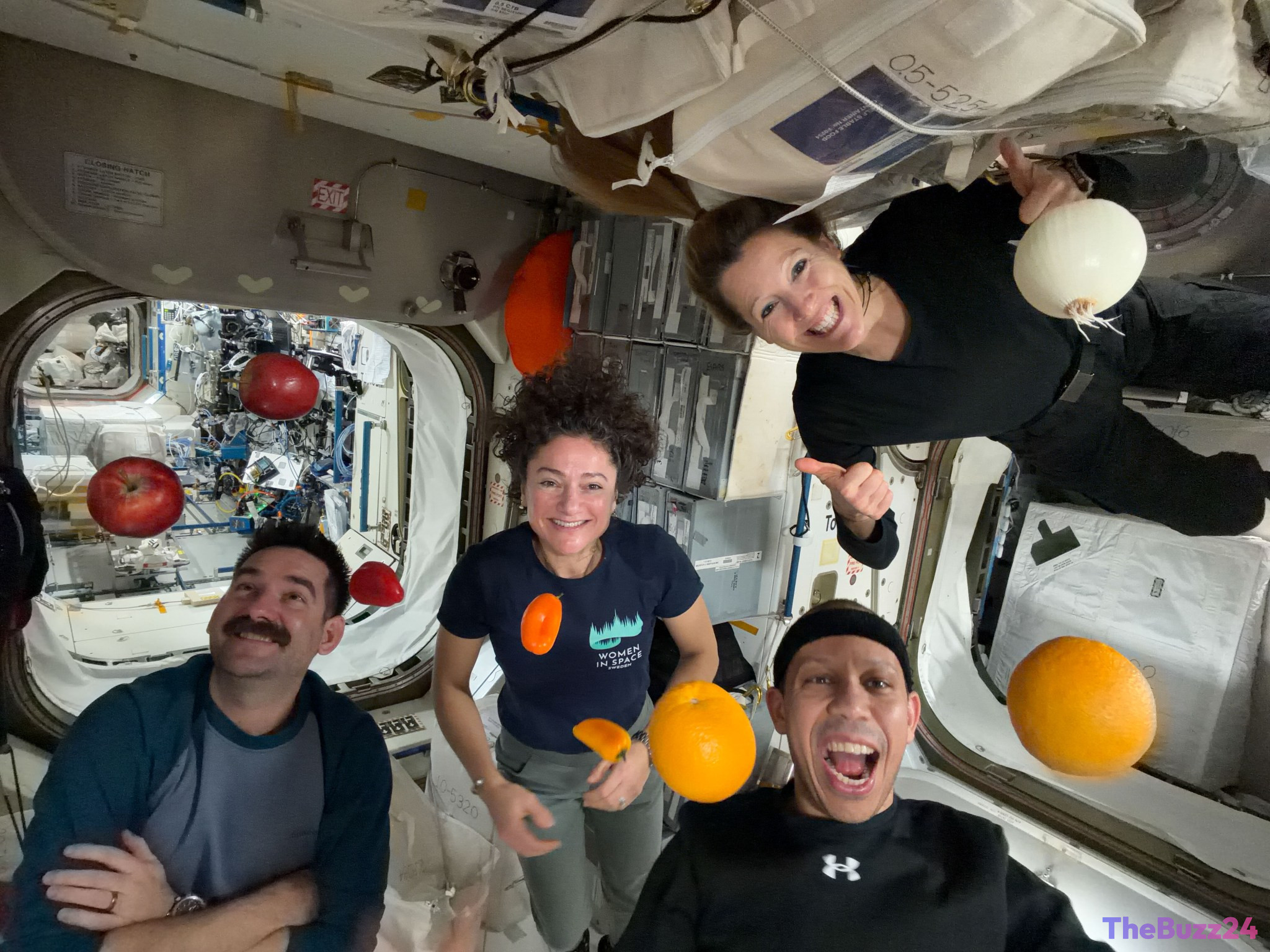
The arrival included a welcome assortment of fresh produce, such as apples, oranges, onions, and peppers. Beyond offering a much-needed nutritional variety and a morale boost for the astronauts, these fresh items underscore the continuous efforts to enhance the well-being of the crew during extended periods in space.
In addition to the dietary provisions, the Cygnus capsule brought over 2,300 pounds of specialized scientific hardware and operational equipment. Among the key research payloads are materials designed to study blood stem cells, potentially leading to new therapeutic approaches for cancers and blood disorders. The crew will also utilize new diagnostic tools to closely monitor gut health and vision changes, critical aspects of human adaptation to the microgravity environment.
To bolster the station’s life support and ensure crew fitness, the delivery also contained new oxygen and nitrogen tanks. Furthermore, an advanced exercise system developed by the European Space Agency was onboard, engineered to help astronauts counteract the muscle and bone density loss inherent in long-duration spaceflight.
Key Takeaways
- The Northrop Grumman Cygnus spacecraft successfully delivered over 2,300 pounds of cargo, including fresh food and advanced research equipment, to the ISS.
- New scientific payloads will focus on blood stem cell research, astronaut gut health, and vision changes in microgravity.
- The mission also provided essential life support system components and an advanced European Space Agency exercise system to maintain crew health.
Editor’s Analysis & Impact
This resupply mission highlights the evolving capabilities of commercial space logistics, moving beyond basic necessities to enable sophisticated scientific endeavors aboard the ISS. The inclusion of advanced medical research, particularly in areas like blood stem cells and physiological monitoring, signals a growing focus on ‘space medicine’ and its potential applications for both terrestrial healthcare and future deep-space exploration. The delivery of critical infrastructure and advanced exercise technology also underscores the commitment to ensuring astronaut health and performance for increasingly ambitious missions, such as those planned for the Moon and Mars. This mission exemplifies the synergistic relationship between commercial providers and space agencies in pushing the boundaries of human presence beyond Earth.
Frequently Asked Questions
Q: What types of fresh food were delivered to the ISS?
A: The resupply mission included fresh apples, oranges, onions, and peppers, providing nutritional variety and a psychological boost for the astronauts.
Q: What are the primary research goals of the new scientific equipment?
A: The new equipment will support research into blood stem cells for potential cancer therapies, monitor astronaut gut health, and track vision changes experienced during long-term space missions.
Q: Besides research supplies, what other essential items were delivered?
A: The cargo included new oxygen and nitrogen tanks for life support systems and an advanced European Space Agency exercise system designed to combat muscle and bone loss in microgravity.
AI Disclosure: This article is based on verified data and official reports. Our Team and AI have cross-referenced every financial detail with primary sources to ensure total accuracy.
More from this Category