Economic Outlook Darkens as Stagflation Risks Eclipse Soft Landing Hopes
Market sentiment is undergoing a significant transformation as investors and analysts increasingly prepare for the possibility of stagflation. Recent data from prediction markets indicates that the likelihood of this challenging economic environment—defined by a combination of stagnant growth and persistent inflation—has climbed to nearly 40% for the end of 2026. This represents a substantial increase from the 11% probability estimated just three months ago, signaling a rapid shift in expectations.
Conversely, the prospect of a ‘soft landing,’ in which the economy cools sufficiently to curb inflation without triggering a recession, has fallen to a record low of 21%. This pessimistic outlook is fueled by recent economic data suggesting that inflationary pressures are becoming deeply entrenched. The Consumer Price Index (CPI) climbed to 3.8% year-on-year in April, reaching its highest level since May 2023, while wholesale prices have seen their most significant annual increase since 2022.
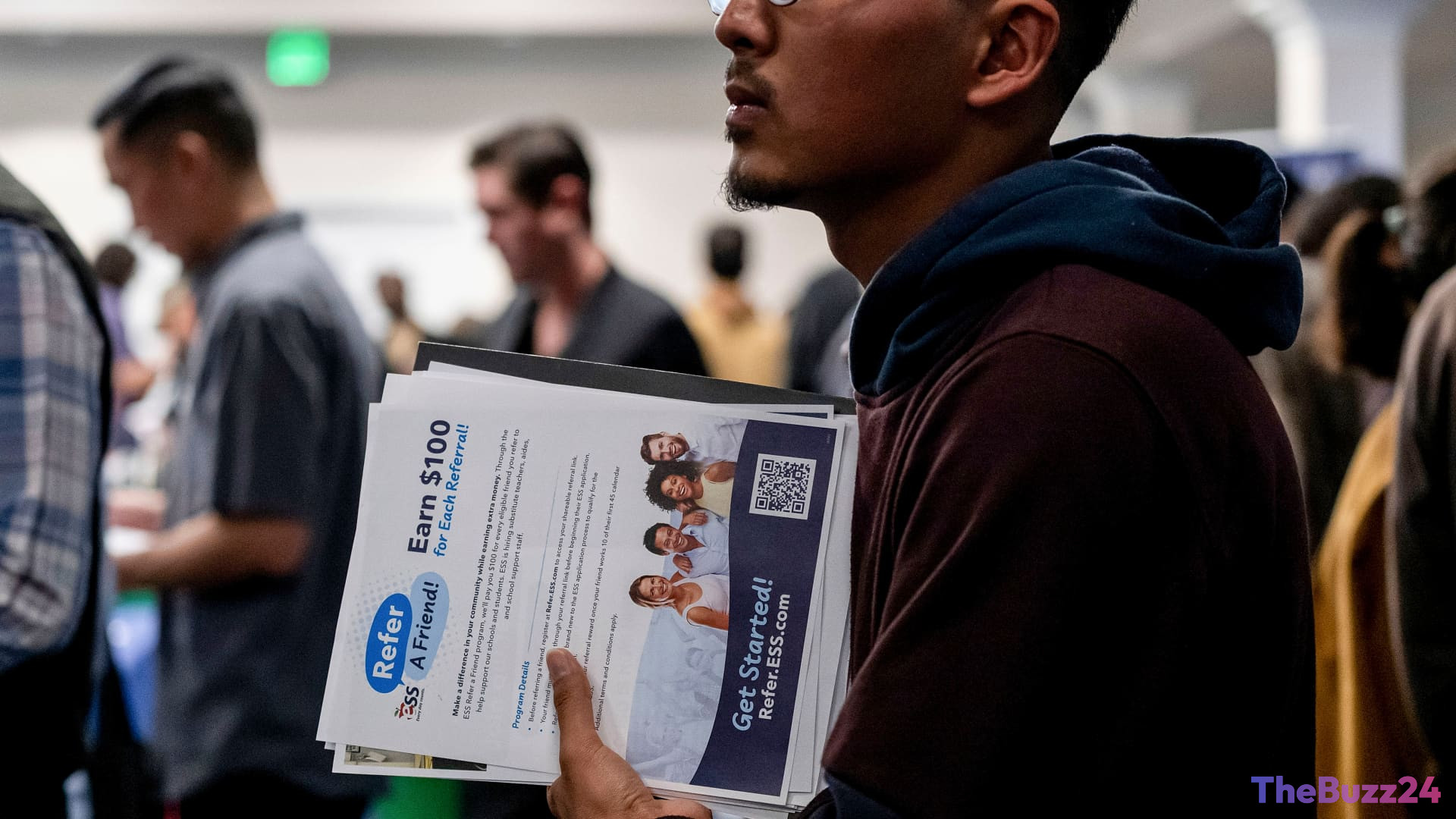
Adding to the economic strain, the unemployment rate has remained stubbornly above 4% since May 2024, currently hovering at 4.3%. Market participants are now pricing in a greater than 65% probability that inflation will reach 4.5% this year, a figure that significantly outpaces broader consensus forecasts. While the current climate has drawn comparisons to the stagflation crisis of the 1970s, many experts suggest that any modern iteration would likely be less severe than the systemic crises of the past. Nevertheless, the diminishing confidence in a soft landing suggests that policymakers face an increasingly narrow path to balancing growth and price stability.
Key Takeaways
- Prediction markets show a 40% probability of stagflation by late 2026, a sharp rise from previous estimates.
- The probability of a soft landing has dropped to 21% as inflation metrics consistently exceed expectations.
- Persistent unemployment at 4.3% and rising CPI figures are driving the shift away from optimistic economic forecasts.
Editor’s Analysis & Impact
The pivot in market sentiment toward stagflation marks a definitive end to the ‘soft landing’ narrative that previously dominated economic discourse. This shift implies a likely ‘higher-for-longer’ interest rate environment, as central banks face the difficult task of curbing inflation without further damaging a fragile labor market. For businesses, this environment suggests a period of margin compression, where elevated input costs collide with weakening consumer demand. The broader implication is a fundamental re-evaluation of the post-pandemic recovery model. Investors are signaling that the economy is entering a more volatile phase where traditional monetary policy tools may be less effective, necessitating a more defensive posture in both corporate planning and personal investment strategies.
Frequently Asked Questions
Q: What is stagflation?
A: Stagflation is an economic condition characterized by slow economic growth and relatively high unemployment, occurring simultaneously with rising prices, or inflation.
Q: Why are experts comparing today's economy to the 1970s?
A: The comparison is drawn because the current combination of high inflation and energy price volatility mirrors the primary drivers of the severe stagflation experienced during the 1970s and early 1980s.
AI Disclosure: This article is based on verified data and official reports. Our Team and AI have cross-referenced every financial detail with primary sources to ensure total accuracy.
More from this Category