Fueling the Cosmos: NASA and Partners Set to Launch LOXSAT Deep Space Refueling Mission
Humanity’s ambitions for deep space exploration are taking a significant leap forward with the upcoming launch of the Liquid Oxygen Flight Demonstration (LOXSAT) mission. This pioneering orbital test aims to validate critical cryogenic fluid management technologies, effectively laying the groundwork for cosmic “gas stations.” By establishing orbital propellant depots, future spacecraft will be able to refuel in space, a capability deemed essential for sustaining long-duration voyages to the Moon, Mars, and beyond.
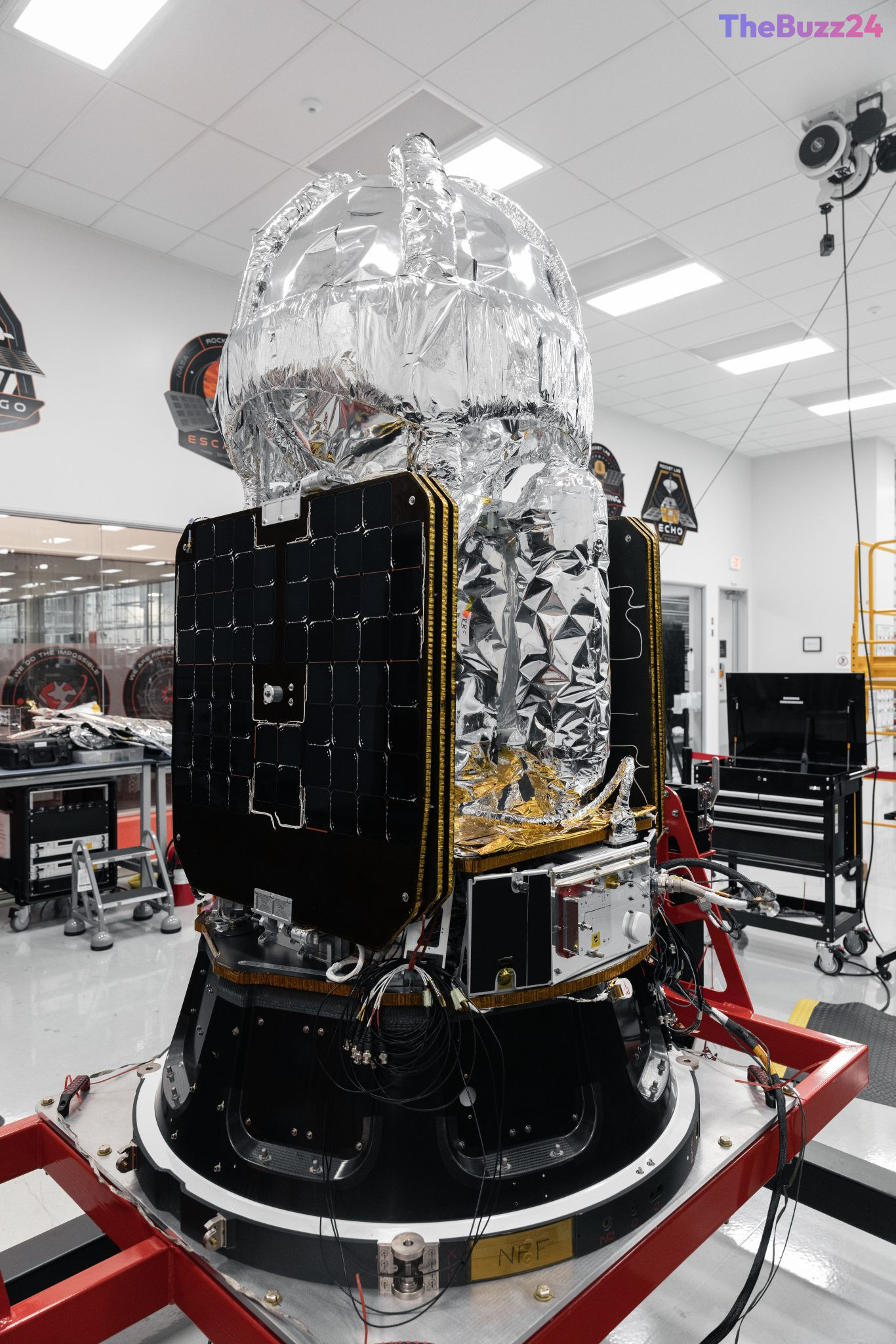
Developed by Florida-based Eta Space under NASA’s Tipping Point initiative, the LOXSAT payload is designed to rigorously evaluate 11 distinct cryogenic technologies. Rocket Lab is supporting the mission by integrating this payload into its Photon satellite bus and providing launch services. The mission is scheduled to lift off aboard Rocket Lab’s Electron rocket from Launch Complex 1 on New Zealand’s Mahia Peninsula, with the launch window opening as early as July 17 for a planned nine-month orbital demonstration.
Handling super-cold cryogenic propellants in the weightlessness of space presents severe engineering hurdles. The LOXSAT mission will specifically target these challenges by testing methods to minimize fuel boiloff, manage tank pressure, accurately measure propellant levels, and safely transfer fuel between tanks in microgravity. Successfully addressing these issues is vital for the development of reliable in-space refueling infrastructure.
This collaborative endeavor is managed by NASA’s Cryogenic Fluid Management Portfolio Project, drawing on specialized expertise from the Marshall Space Flight Center, Glenn Research Center, and Kennedy Space Center. Operating under the umbrella of the Space Technology Mission Directorate, the LOXSAT mission represents a cornerstone effort among dozens of ongoing projects aimed at pushing the boundaries of human spaceflight and interplanetary travel.
Key Takeaways
- The LOXSAT mission will test 11 cryogenic fluid management technologies in orbit to enable future deep space refueling.
- Eta Space developed the payload, while Rocket Lab is providing the Photon satellite bus and launching the mission on an Electron rocket from New Zealand.
- The nine-month demonstration aims to solve critical microgravity fuel challenges, including boiloff prevention, pressure management, and fuel transfer.
Editor’s Analysis & Impact
The LOXSAT mission represents a pivotal shift in how space agencies and private aerospace companies approach long-duration space travel. Currently, the payload capacity of rockets is severely limited by the massive amount of fuel required to escape Earth’s gravity and travel to deep space destinations. By mastering cryogenic fluid management in microgravity, the aerospace industry can transition to a paradigm of orbital refueling. This not only slashes the initial launch mass requirements for deep space missions but also opens up commercial opportunities for private companies to operate orbital fuel depots. Rocket Lab’s involvement highlights the growing reliance of government space programs on agile, commercial launch providers, signaling a highly integrated future for public-private partnerships in the space economy.
Frequently Asked Questions
Q: What is the primary goal of the LOXSAT mission?
A: The primary goal of the LOXSAT (Liquid Oxygen Flight Demonstration) mission is to test and validate 11 different cryogenic fluid management technologies in orbit. These technologies are essential for establishing in-space refueling stations to support long-duration missions to the Moon and Mars.
Q: Who are the key partners involved in the LOXSAT mission?
A: The mission is a collaborative effort involving NASA, Eta Space (which developed the payload under NASA's Tipping Point initiative), and Rocket Lab (which is providing the Photon spacecraft bus and launching the mission on its Electron rocket).
Q: Why is managing cryogenic fuel in space difficult?
A: Cryogenic propellants must be kept at extremely low temperatures to remain liquid. In the microgravity environment of space, managing these fluids is highly challenging due to issues like fuel boiloff, difficulty in measuring fluid levels without gravity, and the complexities of transferring super-cold liquids between tanks.
AI Disclosure: This article is based on verified data and official reports. Our Team and AI have cross-referenced every financial detail with primary sources to ensure total accuracy.
More from this Category