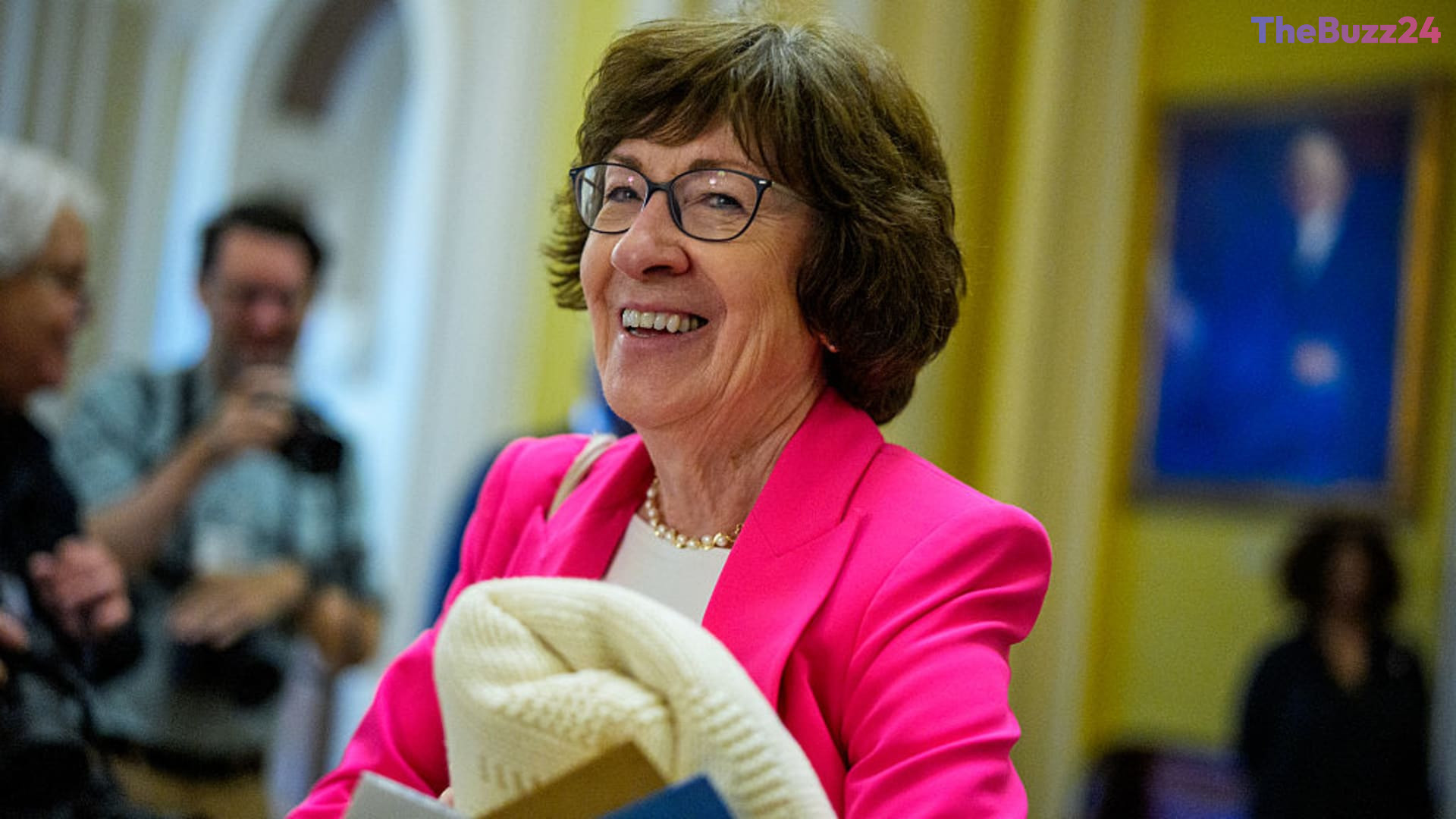
Maine Senate Showdown: Seniority vs. New Voice in High-Stakes Election
Maine is currently the focal point of a closely watched senatorial election, presenting voters with a stark choice between the established influence of Republican incumbent Susan Collins and the progressive challenge posed by Democrat Graham Platner. This contest has become a significant referendum on the value of legislative experience and seniority versus the widespread call for political change and new representation.
Senator Collins, seeking her sixth term, is campaigning on her powerful position as Chair of the Senate Appropriations Committee. This role has enabled her to play a crucial part in directing federal funds, with her office reporting that nearly $1.5 billion has been allocated to over 650 projects across Maine since 2021. Supporters emphasize that her extensive tenure and established relationships in Washington are vital for ensuring the state continues to receive essential resources for infrastructure, healthcare, and environmental protection, benefits they argue a less experienced senator might not be able to secure.
In contrast, Graham Platner, a military veteran and oysterman, is tapping into voter dissatisfaction with the political status quo. Platner contends that the current system of federal funding has not adequately benefited the average working-class resident of Maine. He is challenging Collins’ voting record and her ties to corporate interests, presenting himself as a candidate dedicated to prioritizing the needs of ordinary citizens over those of political elites. The race is increasingly seen as a barometer for national political sentiment, highlighting the divide between those who trust in institutional knowledge and those demanding fundamental reform.
While Maine has shown a tendency towards Democratic leanings in recent national elections, its political landscape remains complex, making the outcome of this race uncertain. Senator Collins has often pointed to her history of bipartisan work and her willingness to diverge from her party on significant votes, such as the impeachment of Donald Trump, as evidence of her independent approach. As Election Day nears, the central question for Maine voters is whether to maintain the substantial federal advantages that come with Collins’ seniority or to embrace the fresh perspective and change that Platner promises.
Key Takeaways
- Senator Susan Collins is highlighting her success in securing $1.5 billion in federal funding for Maine through her role as Chair of the Senate Appropriations Committee.
- Challenger Graham Platner is running on an anti-establishment platform, arguing that federal funds have not significantly improved the lives of working-class Mainers.
- The election is a key test of whether Maine voters will prioritize an incumbent's established power and experience or opt for a new political voice.
Editor’s Analysis & Impact
This Maine Senate race encapsulates a broader national debate about the merits of legislative seniority versus the demand for change. The potential loss of Senator Collins’ chairmanship of the Appropriations Committee could significantly impact Maine’s access to federal funding, given the importance of established relationships and institutional knowledge in budget allocation. A victory for Platner might necessitate a period of adjustment for the state as a new representative builds the necessary political capital. Conversely, Collins’ re-election would suggest that, even amidst polarization, voters in swing states value the tangible benefits derived from experienced political power and its ability to deliver localized advantages.
Frequently Asked Questions
Q: Why is Senator Collins' position on the Senate Appropriations Committee so important for Maine?
A: As Chair of the Senate Appropriations Committee, Senator Collins wields considerable influence over federal budget decisions, enabling her to direct substantial funding towards projects and initiatives critical for Maine's infrastructure, healthcare, and environmental needs.
Q: What is Graham Platner's main campaign message?
A: Graham Platner's campaign centers on the argument that the current political establishment is out of touch with the needs of everyday working-class citizens and that the federal funds secured by the incumbent have not led to meaningful improvements in their daily lives.
Q: What does this election signify for Maine's political landscape?
A: The election represents a critical juncture for Maine, forcing voters to decide whether to prioritize the proven benefits of an experienced senator's established power and influence or to embrace the promise of change and a new political direction represented by her challenger.
AI Disclosure: This article is based on verified data and official reports. Our Team and AI have cross-referenced every financial detail with primary sources to ensure total accuracy.
More from this Category