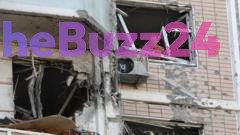
Escalating Drone Warfare: Massive Aerial Assault Targets Moscow Region and Industrial Infrastructure
A massive overnight drone offensive has struck the Moscow region, resulting in multiple fatalities and significant damage to civilian infrastructure. The aerial assault, described as one of the most intense in over a year, targeted several areas including Khimki and the village of Pogorelki. Emergency services responded to reports of fires in suburban neighborhoods and worked to clear debris from residential buildings that sustained structural damage during the barrage.
Beyond residential areas, the coordinated mission focused on critical industrial and military assets. Strategic targets included oil facilities and a semiconductor production plant, as well as military installations located within the Crimean peninsula. These strikes are viewed as a strategic effort to disrupt the logistical and industrial support systems essential to ongoing military operations.
The intensity of the conflict continues to rise as both sides increasingly deploy long-range unmanned aerial vehicles (UAVs). While the Moscow region faced this significant barrage, Russian forces simultaneously launched drone and shelling attacks across Ukraine’s Dnipropetrovsk region, impacting homes and civilians in Dnipro. This pattern of deep-strike aerial warfare underscores a deepening cycle of retaliation and a shift toward targeting infrastructure far behind the immediate front lines.
Key Takeaways
- A large-scale drone attack in the Moscow region caused fatalities and significant damage to residential buildings in areas like Khimki.
- Strategic industrial targets, including oil facilities and semiconductor plants, were prioritized in the aerial offensive.
- The escalation highlights a growing trend of using long-range UAVs to strike deep into enemy territory, targeting both military and economic infrastructure.
Editor’s Analysis & Impact
The recent surge in long-range drone strikes signifies a critical shift in the conflict’s tactical landscape. By targeting high-value industrial assets like semiconductor plants and oil facilities, the focus has moved beyond immediate battlefield engagements toward a strategy of economic and logistical attrition. This approach aims to degrade the adversary’s long-term capacity to sustain military operations. Furthermore, the increasing frequency of these strikes deep within sovereign territories suggests that traditional air defense systems are being tested to their limits. As both nations refine their unmanned aerial vehicle (UAV) capabilities, the conflict is likely to see more sophisticated, coordinated, and widespread aerial campaigns, making civilian infrastructure and industrial hubs increasingly vulnerable to high-intensity, low-cost attrition warfare.
Frequently Asked Questions
Q: What were the primary targets of the drone strikes in the Moscow region?
A: The strikes targeted a combination of residential areas, such as Khimki and Pogorelki, and strategic industrial sites, including oil facilities and a semiconductor production plant.
Q: How is the use of drones changing the nature of the conflict?
A: The conflict is seeing an increased reliance on long-range unmanned aerial vehicles (UAVs) to strike deep behind front lines, targeting both military assets and critical economic infrastructure to disrupt the opponent's ability to wage war.
AI Disclosure: This article is based on verified data and official reports. Our Team and AI have cross-referenced every financial detail with primary sources to ensure total accuracy.
More from this Category