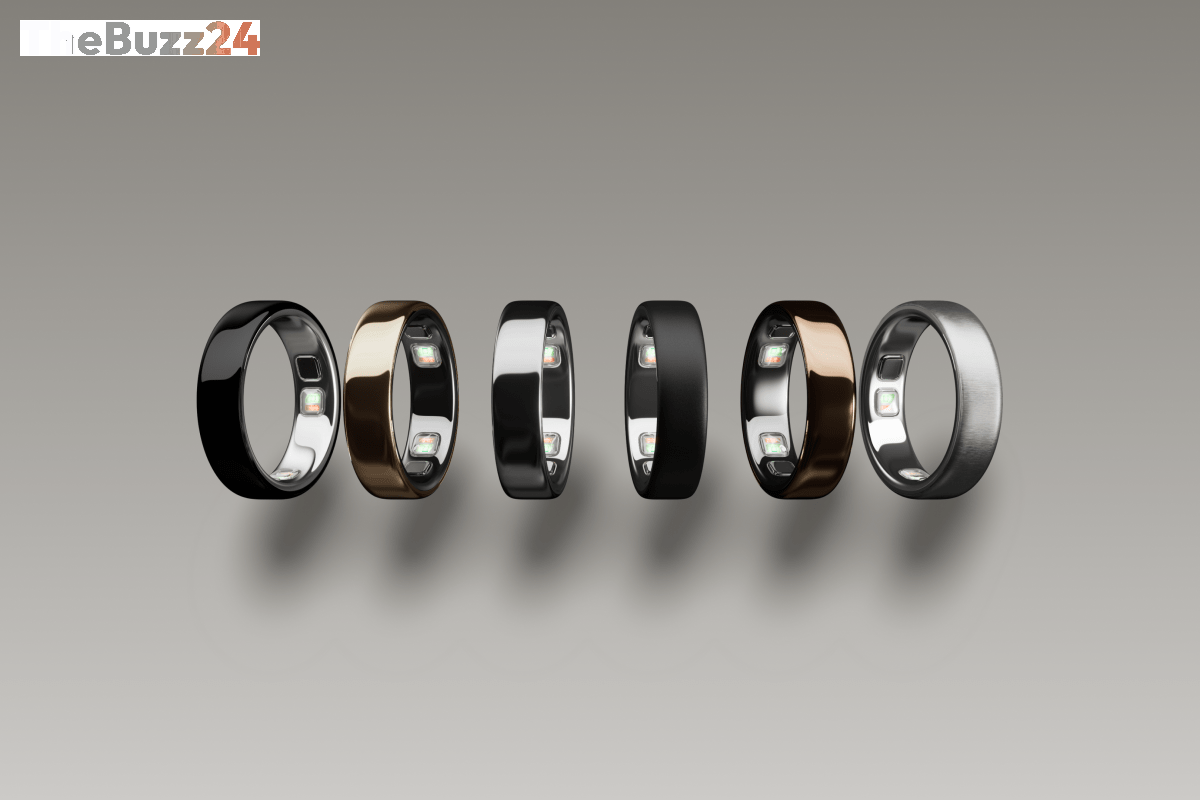
Oura Ring Faces Class-Action Lawsuit Over Alleged Sleep-Tracking Deception
A proposed class-action lawsuit has been filed against Oura, the maker of popular smart rings, alleging that the company has misled consumers regarding the accuracy of its sleep-tracking capabilities. The legal action, initiated by Clarkson Law Firm in San Francisco, claims that Oura rings are fundamentally incapable of measuring the physiological signals necessary to accurately assess sleep quality or identify distinct sleep stages.
Instead, the lawsuit contends that the devices rely on artificial intelligence-generated estimations, which are described as having a mere “coin flip’s chance of being correct.” This accusation stems from a growing number of Oura users who have publicly expressed dissatisfaction with the device’s sleep data, reporting discrepancies between their perceived sleep quality and the ring’s reported metrics. Concerns have also been raised about the ring’s ability to reliably monitor and detect sleep cycles.
The complaint highlights Oura’s marketing strategy, which allegedly positioned the rings, priced at $300 and above, as sophisticated tools capable of providing insights comparable to hospital-grade sleep labs. The lawsuit asserts that Oura falsely advertised its products as being “built for accuracy” and offering “unparalleled accuracy,” even claiming specific measurement accuracies of up to 79% and, more recently, 95% sleep-staging accuracy when compared to clinical sleep studies. The legal filing argues that Oura’s claims are misleading, as accurate sleep stage detection typically requires more invasive methods like scalp electrodes and eye sensors, which are not present in a finger-worn device.
Ryan Clarkson, co-founder of Clarkson Law Firm, stated that misinformation regarding health-tracking devices is unacceptable, especially when consumers rely on them for health-related decisions. The lawsuit seeks to compel Oura to cease its alleged deceptive advertising practices and to provide restitution to consumers who purchased the rings based on these purportedly false claims.
Key Takeaways
- A class-action lawsuit accuses Oura of misleading consumers about the accuracy of its smart ring's sleep-tracking features.
- The lawsuit alleges Oura rings use AI estimates rather than direct physiological measurements for sleep stage detection.
- Plaintiffs are seeking to stop Oura's alleged deceptive advertising and obtain restitution for affected consumers.
Editor’s Analysis & Impact
This lawsuit against Oura highlights a growing tension in the wearable technology market between advanced marketing claims and the actual capabilities of consumer devices. If successful, the litigation could set a precedent for how accuracy is communicated for health-tracking wearables, potentially impacting other companies in the sector. Consumers increasingly rely on these devices for health insights, making transparency and verifiable accuracy paramount. The case underscores the need for rigorous scientific validation behind product claims, especially when they pertain to health and wellness, and could lead to stricter regulatory scrutiny or industry self-regulation regarding data accuracy.
Frequently Asked Questions
Q: What is the main accusation in the lawsuit against Oura?
A: The lawsuit accuses Oura of misleading consumers by falsely advertising the accuracy of its smart ring's sleep-tracking features, claiming the devices rely on inaccurate AI estimates instead of precise physiological measurements.
Q: What does the lawsuit seek from Oura?
A: The lawsuit seeks to prevent Oura from continuing its alleged deceptive advertising practices and requests restitution for consumers who purchased the rings based on these claims.
Q: How does Oura claim its rings achieve sleep-tracking accuracy?
A: Oura has claimed its rings offer high accuracy in sleep measurements, with recent claims suggesting up to 95% sleep-staging accuracy compared to clinical sleep labs, and has marketed the devices as being "built for accuracy."
AI Disclosure: This article is based on verified data and official reports. Our Team and AI have cross-referenced every financial detail with primary sources to ensure total accuracy.
More from this Category