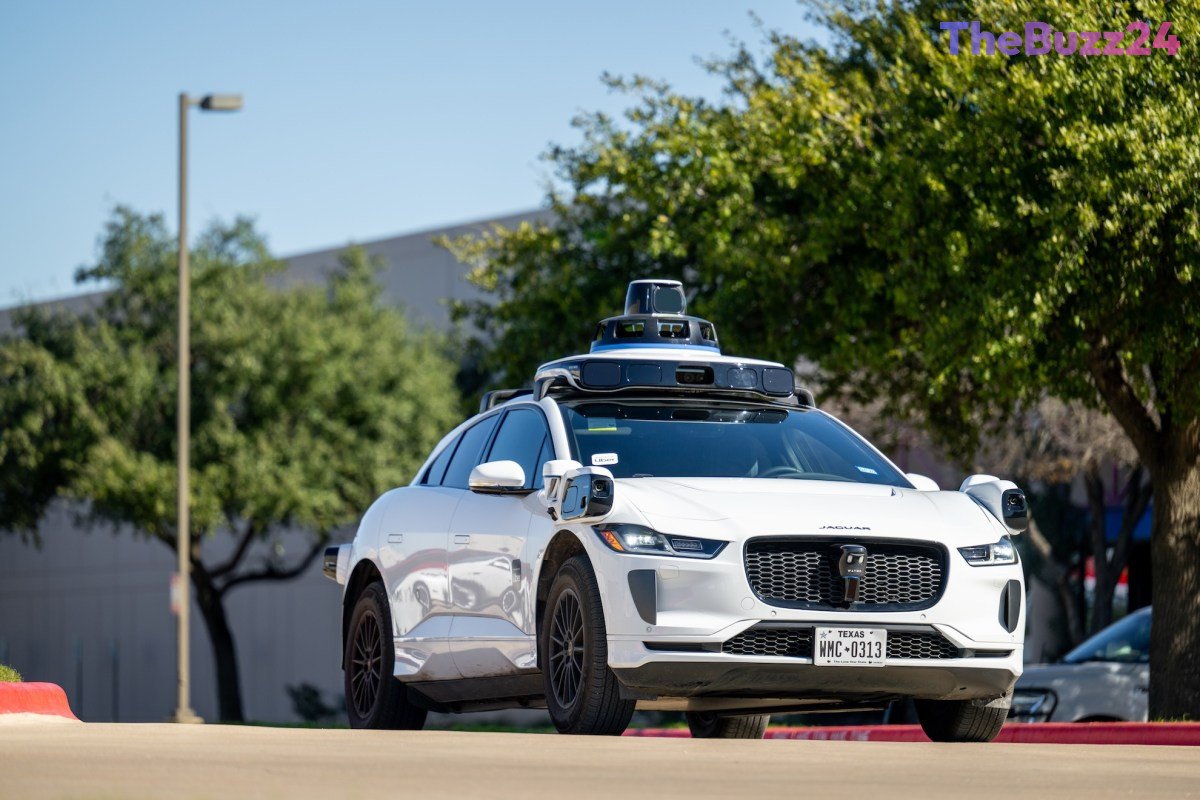
Waymo Submits Redacted Documents in Federal Robotaxi Collision Probe
Waymo has submitted documents to the National Highway Traffic Safety Administration (NHTSA) as part of an ongoing inquiry into a January incident involving one of its autonomous vehicles and a child. The regulatory body initiated its investigation following a low-speed collision in Santa Monica, California. Initial responses from Waymo, made public on NHTSA’s website, were heavily redacted, citing confidential business information, but confirm the progression of the probe.
The incident occurred on January 23, when a Waymo Jaguar I-Pace robotaxi was operating near a school. A nine-year-old girl stepped into the street, leading to the collision. According to a preliminary report from the National Transportation Safety Board (NTSB), the vehicle was traveling at 17 miles per hour but braked, reducing its speed to six miles per hour before impact near its front-right headlight assembly. The child sustained minor injuries and did not require medical transport. NHTSA’s inquiry specifically sought information regarding Waymo’s protocols for determining speed limits in school zones, any reported complaints concerning robotaxi behavior near educational facilities, and comprehensive documentation of the company’s software systems.
NHTSA launched its investigation a week after the crash, issuing 12 detailed questions to Waymo on March 23. Waymo initially requested and was granted an extension to the May 8 deadline for its responses, citing the need for clarification on certain questions and to manage the scope of information requested. Matthew Schwall, Waymo’s senior director of safety, emphasized a mutual goal of providing relevant information while avoiding undue burdens. The company has since completed its submissions to the agency. The NTSB is conducting a separate, parallel investigation into the incident, typically releasing a final report after approximately 12 months.
Key Takeaways
- Waymo has submitted documents to NHTSA regarding an investigation into a January robotaxi collision with a child.
- Initial documents were heavily redacted, citing confidential business information, but confirm the investigation's progress.
- NHTSA's inquiry focuses on Waymo's school zone speed protocols, complaint history, and software documentation, while the NTSB conducts a separate probe.
Editor’s Analysis & Impact
This investigation highlights the ongoing regulatory scrutiny faced by the autonomous vehicle industry. Incidents like the Waymo collision, even minor ones, can significantly impact public trust and slow down widespread adoption. The redactions, while standard for proprietary information, might fuel public skepticism. The outcome of NHTSA’s and NTSB’s investigations will likely influence future safety standards and operational guidelines for robotaxi companies. Stricter regulations or mandatory transparency could emerge, potentially increasing development costs and deployment timelines for Waymo and its competitors. This case underscores the critical balance between technological innovation and public safety. As autonomous vehicles become more prevalent, regulatory bodies will continue to play a crucial role in ensuring accountability and fostering a safe environment for both passengers and pedestrians, shaping the future of urban mobility.
Frequently Asked Questions
Q: Why were Waymo's submitted documents redacted?
A: Waymo redacted portions of its responses to NHTSA, citing "confidential business information." This is a common practice for companies to protect proprietary data during regulatory inquiries.
Q: Is the National Transportation Safety Board (NTSB) also involved?
A: Yes, the NTSB is conducting a separate, parallel investigation into the January collision. The NTSB typically releases a more detailed final report approximately 12 months after an incident.
AI Disclosure: This article is based on verified data and official reports. Our Team and AI have cross-referenced every financial detail with primary sources to ensure total accuracy.
More from this Category