NASA-Backed SSPICY Mission Launches to Tackle Orbital Debris and In-Space Inspection
Efforts to manage and mitigate the growing threat of orbital debris have taken a significant leap forward with the launch of the Small Spacecraft Propulsion and Inspection Capability (SSPICY) mission. Designed to test advanced autonomous rendezvous and proximity operations, the initiative aims to pave the way for future satellite servicing, repairs, and debris removal in low Earth orbit.
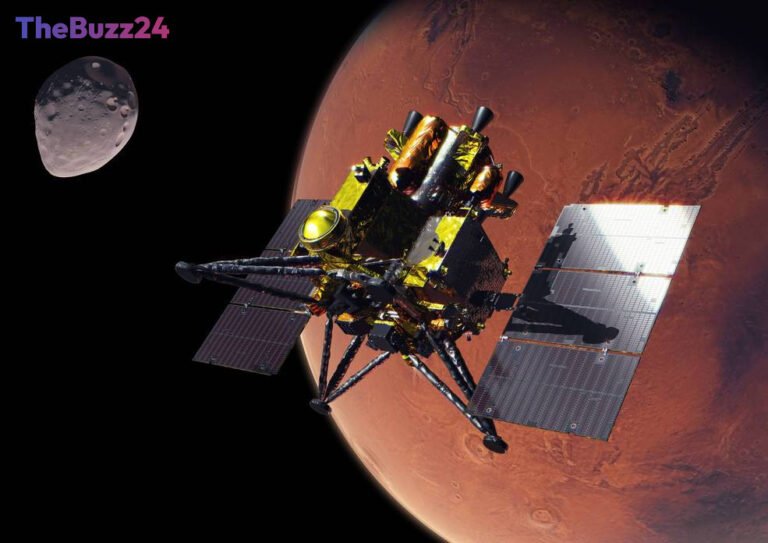
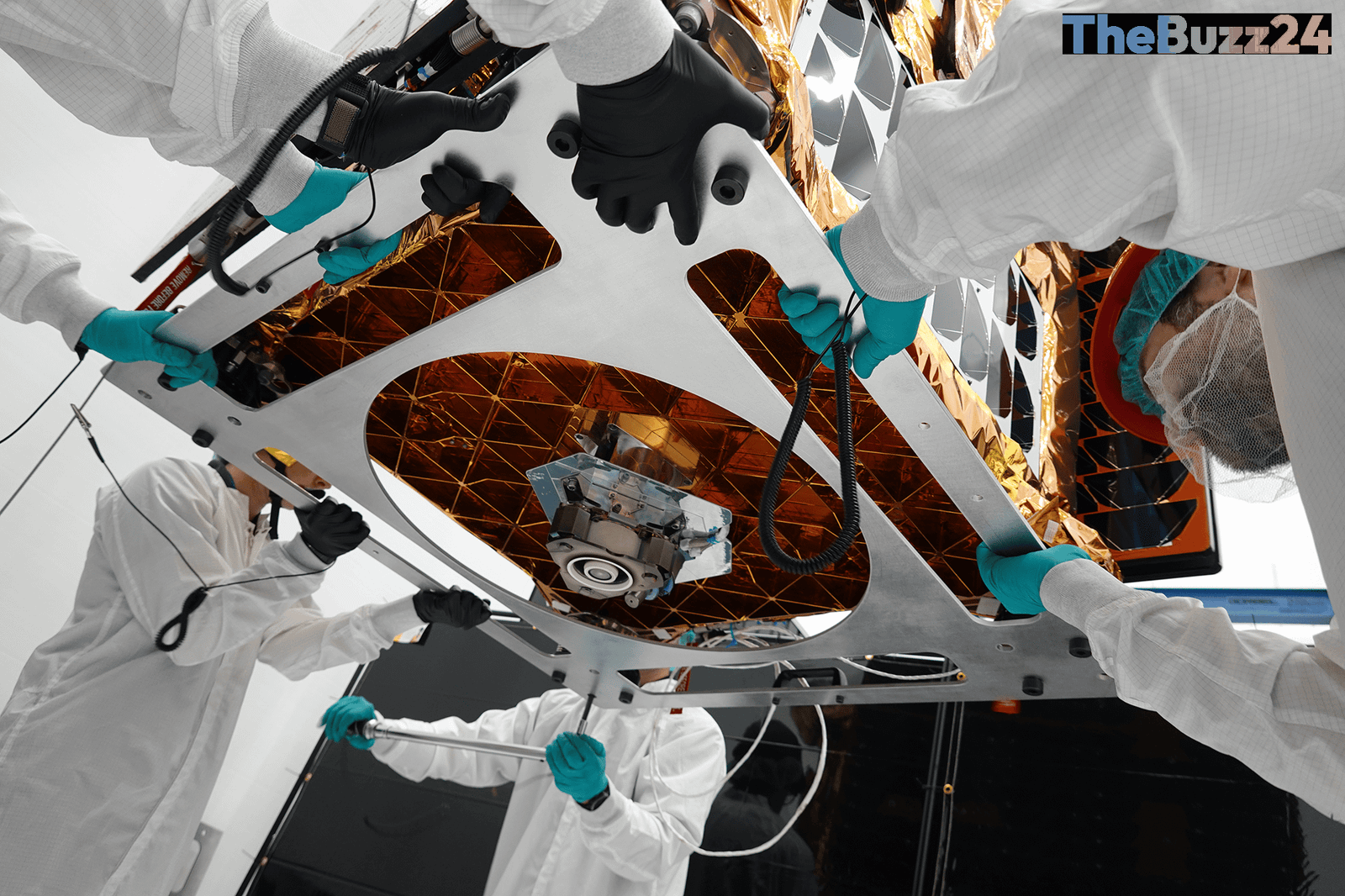
The mission centers around the Otter spacecraft, a washing-machine-sized vehicle engineered by Starfish Space. Launched from Vandenberg Space Force Base in California, the spacecraft is tasked with approaching up to four inactive U.S.-owned space objects, including derelict satellites and spent rocket bodies. Rather than physically docking with these targets, the Otter will navigate within hundreds of yards to conduct detailed visual and sensor-based assessments.
Equipped with cutting-edge computer vision and autonomous guidance systems, the Otter can make real-time navigation decisions with minimal human intervention from ground controllers. The vehicle also features an innovative electric propulsion system and an articulating robotic boom, allowing it to efficiently maneuver between different orbits and accurately evaluate the spin rates, orientations, and structural conditions of defunct space hardware.
As thousands of new satellites launch annually to support vital global infrastructure like weather forecasting and communications, maintaining a safe orbital environment has never been more crucial. By proving that autonomous inspection and multi-target maneuvering can work in harmony, the SSPICY mission lays the technological groundwork needed to keep near-Earth space sustainable for future generations.
Key Takeaways
- The SSPICY mission successfully launched from Vandenberg Space Force Base to test advanced in-space inspection technologies.
- Built by Starfish Space, the Otter spacecraft will autonomously approach and evaluate four inactive U.S. space objects without physically docking.
- The mission utilizes cutting-edge computer vision, electric propulsion, and an articulating robotic boom to demonstrate safe multi-orbit maneuvering and debris tracking.
Editor’s Analysis & Impact
The launch of the SSPICY mission marks a pivotal milestone in the commercial and governmental approach to orbital sustainability. As low Earth orbit becomes increasingly congested with defunct satellites and rocket bodies, the commercial viability of active debris removal and in-space servicing is transitioning from science fiction to practical necessity. Technologies that enable autonomous rendezvous and real-time proximity navigation are the foundational building blocks of the burgeoning space economy. Success in this demonstration could unlock multi-billion-dollar markets for satellite maintenance, extending the lifespan of expensive assets and dramatically reducing the risks of catastrophic orbital collisions. Furthermore, the collaboration between government agencies and agile private-sector innovators like Starfish Space highlights a scalable model for rapidly prototyping and deploying critical aerospace infrastructure.
Frequently Asked Questions
Q: What is the primary goal of the SSPICY mission?
A: The primary goal is to demonstrate advanced autonomous navigation and inspection technologies using the Otter spacecraft, which will approach defunct satellites and rocket bodies to assess their condition and test capabilities for future orbital debris reduction.
Q: Will the Otter spacecraft physically dock with inactive satellites during the mission?
A: No, the Otter spacecraft will not touch or dock with any targets during the SSPICY mission. Instead, it will navigate within close proximity to gather data on spin rates, orientation, and surface conditions.
Q: Who built the spacecraft performing the SSPICY mission?
A: The Otter spacecraft was developed and is operated by Starfish Space, with funding and management support from NASA’s Small Spacecraft and Distributed Systems program.
AI Disclosure: This article is based on verified data and official reports. Our Team and AI have cross-referenced every financial detail with primary sources to ensure total accuracy.
More from this Category