Why Tesla’s Ambitious Solar Roof Project Ultimately Failed
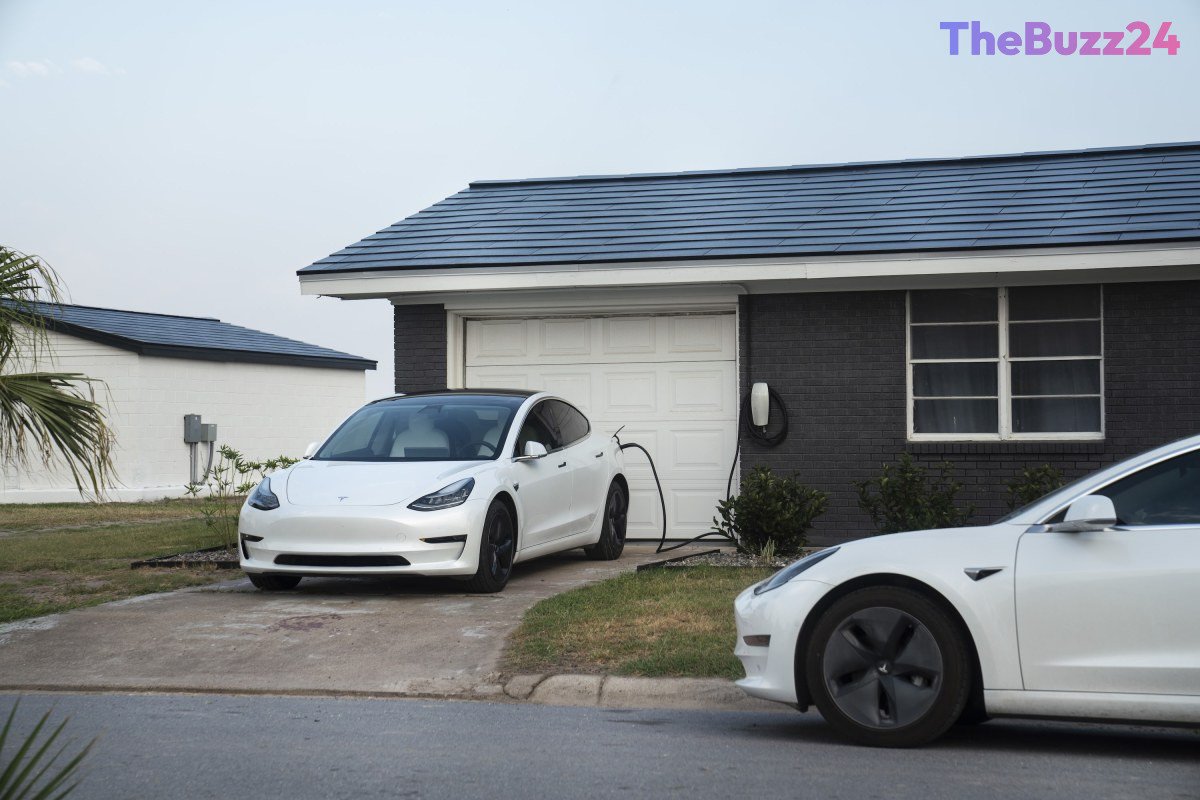
Tesla has quietly phased out its highly publicized Solar Roof, removing direct references to the product from its official website and redirecting traffic to its standard solar panel offerings. Launched nearly a decade ago with massive fanfare, the product was designed to blend seamlessly with high-end home aesthetics by mimicking traditional shingles, slate, or terra-cotta tiles. However, the dream of turning residential roofs into sleek, integrated power plants has officially come to an end as the company shifts its focus back to conventional solar technology.
Despite ambitious targets of reaching 1,000 installations per week, Tesla struggled to scale the project, managing only an estimated 20 to 40 installations weekly by 2022. The Solar Roof was plagued by exorbitant costs, with some homeowners receiving installation quotes as high as $200,000. Unlike traditional solar panels, which benefit from global manufacturing standardization and declining silicon costs, Tesla’s custom-designed tiles required specialized, expensive manufacturing equipment. This lack of standardization prevented the company from achieving the economies of scale necessary to make the product financially viable for the mass market.
Beyond financial hurdles, the Solar Roof faced severe engineering and physical limitations. Operating under direct sunlight, the integrated tiles suffered from heat-related issues, including reports of warping components and melting roof underlayment. Crucially, the lack of adequate airflow beneath the tiles—a problem traditional panels avoid by being elevated off the roof—led to elevated temperatures that degraded the solar cells’ efficiency. This resulted in the system producing significantly less electricity than Tesla had originally promised.
While Tesla appears to be offloading its remaining inventory through select third-party installers, the demise of its Solar Roof raises questions about the viability of building-integrated photovoltaics (BIPV). Nevertheless, competitors like GAF and Merlin Solar continue to pursue the aesthetic solar market, betting that they can succeed where Tesla stumbled. For now, Tesla’s retreat serves as a cautionary tale of how difficult it is to merge high-end design with the unforgiving laws of physics and manufacturing economics.
Key Takeaways
- Tesla has quietly discontinued its Solar Roof, redirecting website traffic to its standard solar panel products.
- The product suffered from severe scaling issues, high manufacturing costs, and installation quotes reaching up to $200,000.
- Technical flaws, including heat-induced efficiency loss and material warping, contributed to the product's ultimate failure.
Editor’s Analysis & Impact
Tesla’s exit from the integrated solar roof market highlights the immense difficulty of commercializing building-integrated photovoltaics (BIPV). While the concept of a beautiful, power-generating roof is highly appealing to affluent homeowners, the reality of custom manufacturing and complex installations proved insurmountable even for a company of Tesla’s scale. Standardized solar panels remain the dominant force because they benefit from massive global supply chains and simple, reliable installation methods. Tesla’s failure may temporarily dampen investor enthusiasm for BIPV, but it also leaves a vacuum for specialized roofing and solar companies like GAF to capture niche demand. Ultimately, this transition shows that in the renewable energy sector, cost-efficiency and reliable power output will almost always triumph over pure aesthetics.
Frequently Asked Questions
Q: Why did Tesla discontinue the Solar Roof?
A: Tesla discontinued the Solar Roof due to a combination of extremely high manufacturing and installation costs, failure to scale production, and technical issues like overheating, which reduced energy efficiency and caused material warping.
Q: Can homeowners still buy Tesla Solar Roofs?
A: While Tesla has removed the product from its website, some third-party installers may still have access to remaining inventory to complete existing or pending projects. However, Tesla is now directing new customers to its traditional solar panels.
Q: Are other companies still making solar roofs?
A: Yes, other companies such as GAF and Merlin Solar are still active in the integrated solar market, attempting to appeal to homeowners who prefer the look of solar shingles over traditional panels.
AI Disclosure: This article is based on verified data and official reports. Our Team and AI have cross-referenced every financial detail with primary sources to ensure total accuracy.
More from this Category