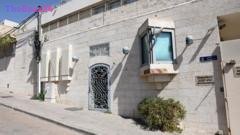
UK Consulate in Jerusalem Rebranded Amid Diplomatic Dispute with Israel
The British consulate in occupied East Jerusalem is undergoing a significant operational shift, with most diplomats departing the facility as mandated by Israel. However, the United Kingdom has asserted that the building will continue its functions under a new designation: the “UK Mission, Jerusalem.” This development follows a diplomatic standoff initiated by Israel in response to UK sanctions imposed on Israeli settlements in the occupied West Bank.
Israeli Foreign Minister Gideon Saar announced that the consul general and twenty diplomats would conclude their duties and leave the country. A smaller task force of seven diplomats will remain, operating with a restricted scope. Saar stated that this agreement was reached after discussions with the UK government and aimed to de-escalate the dispute, preventing further retaliatory measures against Israel. The Israeli minister also indicated that the consulate’s sign had been removed, signifying the closure of its operations.
Conversely, the UK Foreign Secretary Ed Miliband clarified that some staff had been “temporarily withdrawn” due to security concerns, emphasizing that the mission’s work would persist. He reiterated the UK’s long-standing position that East Jerusalem is occupied territory and stressed that the building itself would not be closing. The UK mission will continue to support British nationals and engage with the Palestinian people and institutions, albeit with a reduced staff. British officials are confident that the rebranded UK Mission will maintain its diplomatic status and protections under the Vienna Convention.
This resolution appears to be a compromise, allowing Israel to claim the consulate’s operational closure while the UK maintains a diplomatic presence in East Jerusalem and avoids a tit-for-tat expulsion of diplomats. The dispute, which has strained UK-Israel relations, is expected to be revisited in the coming months, particularly after upcoming Israeli elections, with the UK reserving the right to take further action.
Key Takeaways
- Most UK diplomats are leaving the British consulate in East Jerusalem, but the facility will remain open as the 'UK Mission, Jerusalem'.
- The move is a result of a diplomatic dispute initiated by Israel following UK sanctions on West Bank settlements.
- While the consulate's operations are scaled back, the UK maintains its diplomatic presence and its stance on the status of East Jerusalem.
Editor’s Analysis & Impact
This diplomatic maneuver represents a delicate balancing act between the UK and Israel, aiming to de-escalate tensions without a complete capitulation from either side. By rebranding the consulate as a ‘Mission,’ the UK preserves its diplomatic foothold in East Jerusalem, a crucial point given its stance on the territory’s status. Israel, in turn, can claim a victory by forcing the departure of most diplomats and the removal of the consulate’s sign. The temporary withdrawal of staff for security reasons provides a plausible explanation for the reduced presence, while avoiding immediate reciprocal actions. This outcome likely postpones a more significant diplomatic crisis, allowing both nations to navigate sensitive political periods, such as upcoming Israeli elections, before potentially resuming more assertive negotiations.
Frequently Asked Questions
Q: Why is the British consulate in East Jerusalem changing its operations?
A: The change is a consequence of a diplomatic dispute between the UK and Israel. Israel mandated the closure of the consulate's operations in retaliation for UK sanctions on Israeli settlements in the occupied West Bank.
Q: Will the UK still have a diplomatic presence in East Jerusalem?
A: Yes, the facility will continue to operate under the new name 'UK Mission, Jerusalem,' with a smaller team of seven diplomats. The UK emphasizes that vital services will continue to be delivered.
Q: What is the UK's stance on East Jerusalem?
A: The UK reiterates its long-standing view that East Jerusalem is occupied territory. This position remains unchanged despite the operational changes at the consulate.
AI Disclosure: This article is based on verified data and official reports. Our Team and AI have cross-referenced every financial detail with primary sources to ensure total accuracy.
More from this Category