Beyond the Cloud: Why Investors Are Pivoting to Tangible ‘HALO’ Assets in the Age of AI
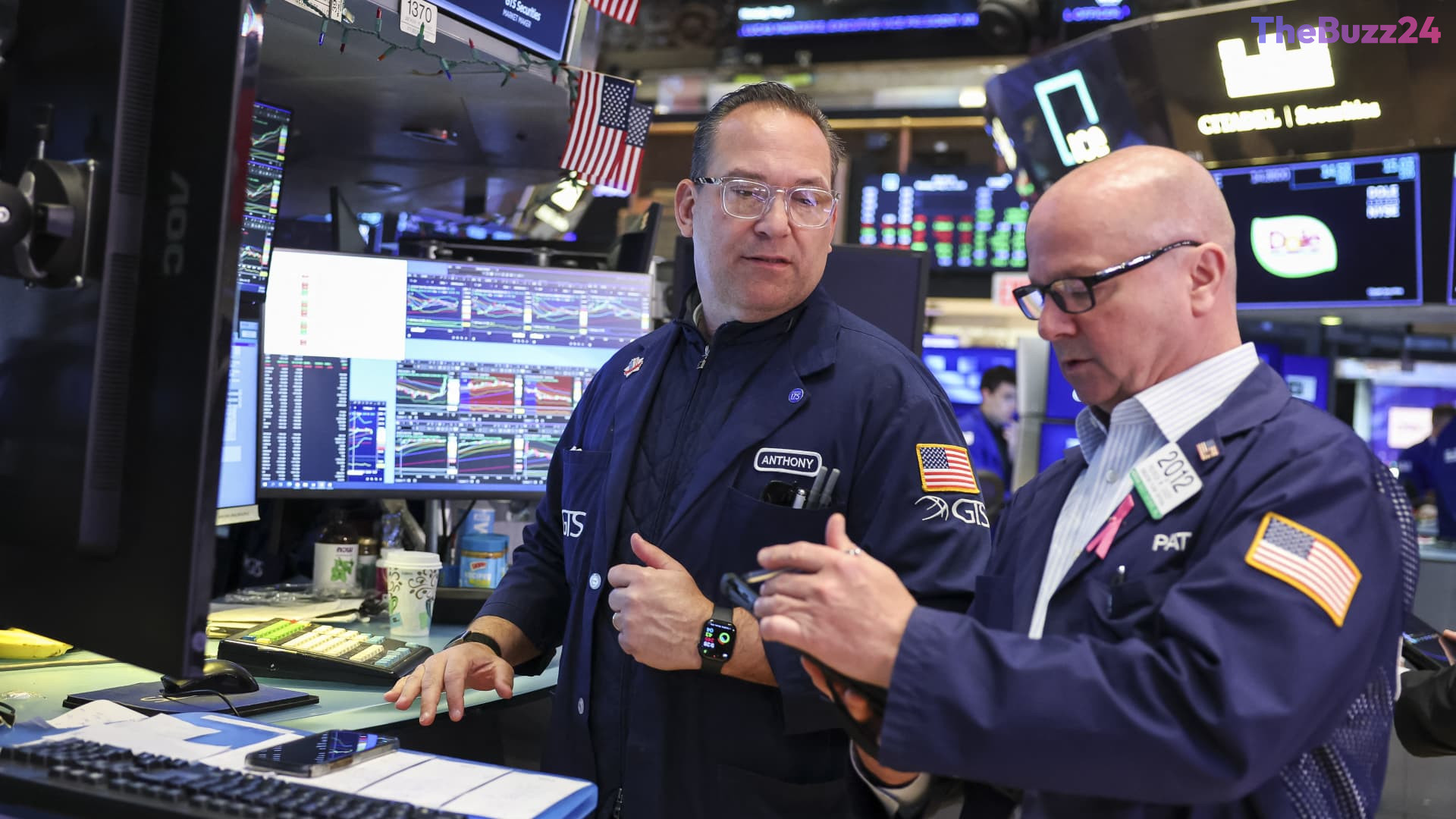
As artificial intelligence continues to reshape the global corporate landscape, a significant shift is occurring in how investors allocate capital. Rather than chasing high-flying software firms, a growing contingent of market participants is embracing the “HALO” thesis—an acronym for “heavy assets, low obsolescence.” Coined by Josh Brown, CEO of Ritholtz Wealth Management, this investment philosophy prioritizes companies anchored in physical infrastructure and tangible operations, which are inherently shielded from the disruptive capabilities of advanced software and generative AI models.
This strategic pivot comes amid notable volatility for enterprise software giants like Adobe, ServiceNow, and Salesforce, which have faced intense market pressure as AI capabilities rapidly evolve. In contrast, traditional heavyweights such as FedEx, ExxonMobil, and Coca-Cola have posted strong year-to-date gains. The divergence highlights a broader market appetite for businesses providing essential physical services—such as logistics, energy production, and manufacturing—that cannot be easily digitized or replaced by large language models.
To capitalize on this trend, Roundhill Investments recently introduced the LOHA ETF, an exchange-traded fund designed to track large-cap U.S. companies with deep physical footprints. According to Roundhill CEO Dave Mazza, the fund targets durable businesses that are positioned to integrate AI to improve efficiency rather than be displaced by it. The fund’s portfolio includes established industrial and transportation leaders like Cummins, AutoZone, and CSX, all of which boast long track records of operational stability.
Proponents of the HALO strategy emphasize that this approach is not a bet against technological progress, but rather a pragmatic risk-management strategy. By focusing on enterprises that rely on physical labor and real-world assets, investors are seeking to insulate their portfolios from algorithmic disruption. This trend underscores a fundamental reassessment of market value, drawing a clear line between vulnerable digital platforms and the physical foundations that keep the global economy running.
Key Takeaways
- The 'HALO' (heavy assets, low obsolescence) investment strategy is gaining traction as a defense against rapid AI-driven disruption.
- While prominent software stocks face volatility, physical-asset-heavy companies like FedEx and ExxonMobil are demonstrating strong market resilience.
- The launch of the LOHA ETF highlights a growing institutional effort to package and trade AI-resistant, infrastructure-focused equities.
Editor’s Analysis & Impact
The rise of the HALO investment framework marks a critical turning point in market psychology, shifting focus from pure digital growth to physical durability. For years, software-as-a-service (SaaS) companies commanded premium valuations, but the rapid democratization of generative AI has exposed these business models to sudden obsolescence. By redirecting capital toward heavy industries, logistics, and energy, investors are acknowledging that physical infrastructure remains the irreplaceable backbone of the global economy. Looking forward, this trend is likely to drive a valuation rebalancing, where traditional ‘old economy’ stocks command higher multiples due to their inherent immunity to algorithmic replacement. Ultimately, the most successful companies in this new era will be those with deep physical moats that successfully leverage AI to optimize, rather than replace, their core operations.
Frequently Asked Questions
Q: What does the HALO investment strategy mean?
A: HALO stands for 'heavy assets, low obsolescence.' It is an investment approach that focuses on companies with substantial physical infrastructure and real-world operations, making them highly resilient against disruption by artificial intelligence and automation.
Q: Which companies are considered HALO-aligned?
A: Companies in sectors like logistics, energy, manufacturing, and retail physical goods—such as FedEx, ExxonMobil, Coca-Cola, Cummins, and CSX—are prime examples of HALO-aligned businesses due to their reliance on tangible assets.
Q: Is the HALO strategy opposed to artificial intelligence?
A: No, the strategy does not oppose AI. Instead, it seeks out companies that can use AI as a tool to enhance their physical operations and efficiency, rather than companies whose core business models risk being entirely replaced by software automation.
AI Disclosure: This article is based on verified data and official reports. Our Team and AI have cross-referenced every financial detail with primary sources to ensure total accuracy.
More from this Category