Trump Issues Dire Ultimatum to Iran as Strait of Hormuz Blockade Sends Fuel Prices Soaring
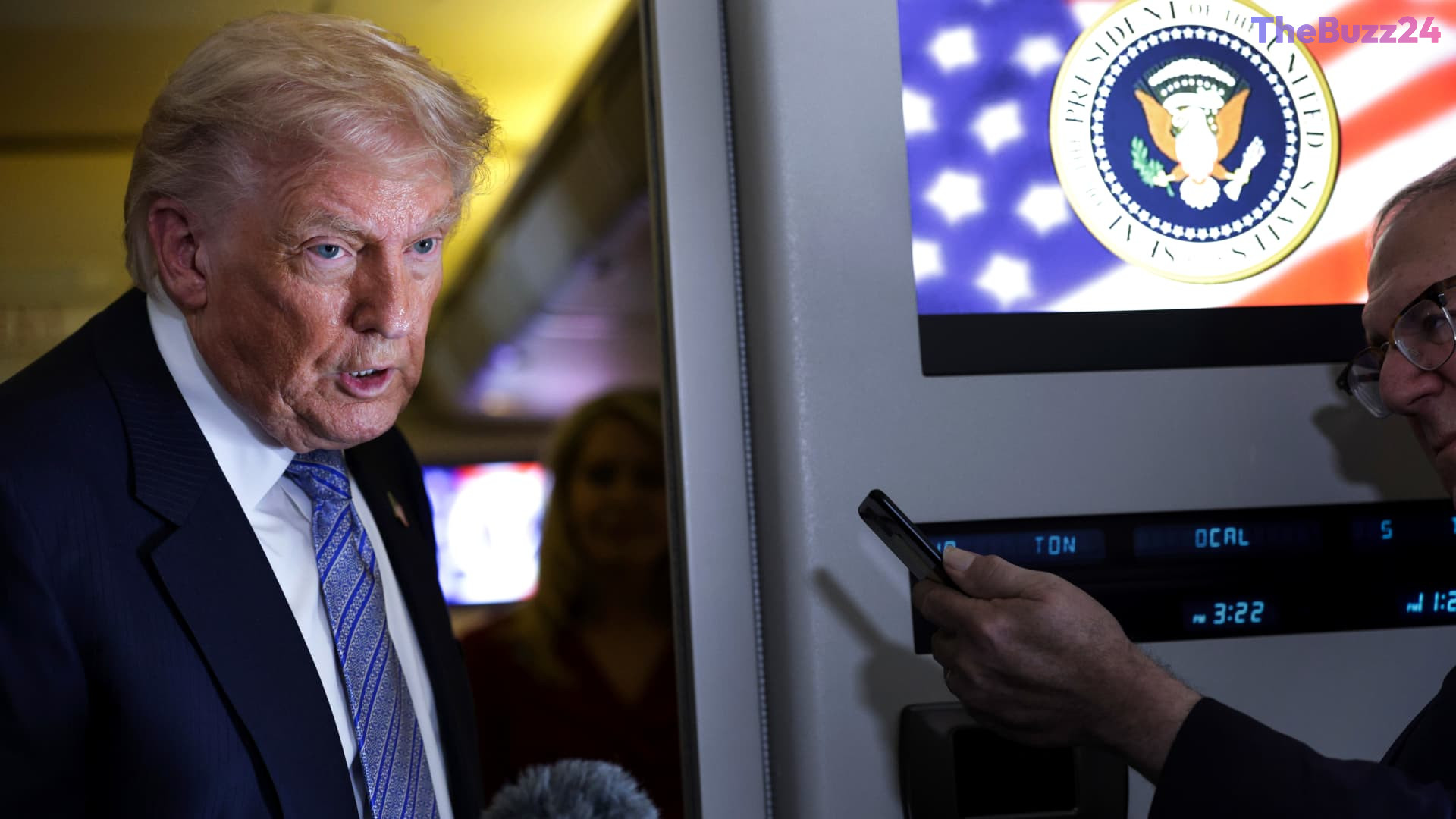
Geopolitical tensions have reached a boiling point as President Donald Trump issued a stern warning to Iran, declaring that the opportunity for a diplomatic resolution is rapidly evaporating. The administration has signaled that Tehran must swiftly comply with American demands or face unprecedented, severe consequences. This sharp escalation in rhetoric follows a breakdown in negotiations, which have remained frozen despite a fragile ceasefire brokered earlier this spring.
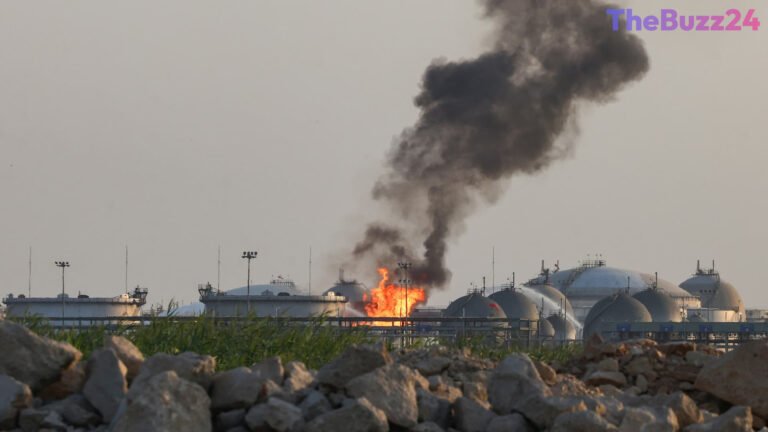
The ongoing standoff has sent shockwaves through the global economy, largely driven by the continued closure of the Strait of Hormuz. With Iran blocking this critical maritime oil transit route and the United States maintaining a strict blockade on Iranian ports, global energy markets are experiencing intense volatility. Consumers in the U.S. are feeling the direct impact of this disruption, with national average gasoline prices climbing to approximately $4.51 per gallon.
At the heart of the diplomatic deadlock are deeply entrenched, opposing demands from both nations. The United States is unwavering in its insistence that Iran permanently dismantle its nuclear program and immediately reopen the Strait of Hormuz to international shipping. On the other hand, Tehran is demanding substantial reparations for war-related damages, an immediate end to regional conflicts—specifically in Lebanon—and the lifting of the U.S.-led maritime blockade.
The situation remains highly precarious, especially given previous warnings from Washington regarding potential military strikes on civilian infrastructure. International observers and global leaders are watching the developments with growing concern, fearing that a failure to revive diplomatic talks could plunge the region into a broader, more devastating conflict.
Key Takeaways
- President Trump has warned Iran of severe, unspecified consequences if it fails to meet U.S. demands quickly, signaling a near-total breakdown in diplomacy.
- The dual blockade of the Strait of Hormuz by Iran and Iranian ports by the U.S. has triggered severe energy market volatility, pushing U.S. gas prices to an average of $4.51 per gallon.
- Core disputes remain unresolved, with the U.S. demanding denuclearization and open shipping lanes, while Iran demands war reparations, an end to hostilities in Lebanon, and sanctions relief.
Editor’s Analysis & Impact
The escalating rhetoric between Washington and Tehran represents a critical flashpoint for global energy security and international relations. The Strait of Hormuz is the world’s most vital oil transit chokepoint; its prolonged closure guarantees sustained upward pressure on global crude prices, threatening to trigger broader inflationary pressures across Western economies. For President Trump, the hardline stance is a high-stakes gamble designed to force Iran into submission, but it risks backfiring by uniting regional factions against U.S. interests. If diplomatic channels remain completely blocked, the likelihood of localized military skirmishes escalating into a full-scale regional war increases exponentially. Investors should prepare for continued volatility in energy sectors, while diplomatic allies will likely intensify backchannel efforts to prevent a catastrophic military confrontation.
Frequently Asked Questions
Q: Why is the Strait of Hormuz so important to the global economy?
A: The Strait of Hormuz is a narrow waterway between the Persian Gulf and the Gulf of Oman. It is the world's most crucial oil transit chokepoint, through which a significant portion of the world's petroleum passes daily. Any disruption or closure immediately impacts global oil supply and prices.
Q: What are the primary demands of the United States and Iran?
A: The United States demands that Iran completely halt its nuclear ambitions and reopen the Strait of Hormuz. Iran, conversely, is demanding financial reparations for war damages, an end to regional hostilities (specifically in Lebanon), and the removal of the maritime blockade on its ports.
Q: How is this conflict affecting everyday consumers?
A: The geopolitical standoff and maritime blockades have caused extreme volatility in energy markets, leading to a sharp rise in fuel costs. In the United States, this has driven the national average gasoline price up to around $4.51 per gallon.
AI Disclosure: This article is based on verified data and official reports. Our Team and AI have cross-referenced every financial detail with primary sources to ensure total accuracy.
More from this Category