Devastating Russian Missile Strike Ravages Kyiv Amid Critical Air Defense Shortages
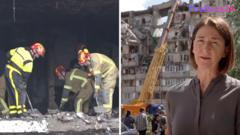
A devastating Russian ballistic missile strike on Kyiv has left a residential high-rise severely damaged and claimed the lives of at least 19 people across the region. The Ukrainian Air Force confirmed that none of the 23 ballistic missiles launched by Russian forces during the overnight assault were intercepted, pointing to a critical depletion of defensive interceptor missiles. The strike tore a massive hole through a residential building, leaving residents terrified and highlighting the growing vulnerability of the capital’s airspace.
Of the casualties, at least 13 fatalities were reported within the city of Kyiv itself, while an additional six individuals lost their lives in the surrounding metropolitan region. This assault marks the second major aerial bombardment targeted at the Ukrainian capital within a single week, signaling an intensification of Russia’s air campaign against urban centers. Emergency services have been working through the rubble to rescue survivors and recover victims.
In the wake of the tragedy, Ukrainian President Volodymyr Zelensky issued a stark warning to international partners. Zelensky emphasized that civilian infrastructure and residential areas will remain highly vulnerable to Russian strikes as long as vital air defense systems, such as the US-made Patriot missiles, remain stored in allied warehouses rather than being deployed to the front lines. The Ukrainian government continues to urge Western allies to accelerate the delivery of air defense munitions to prevent further loss of civilian life.
Key Takeaways
- A Russian ballistic missile barrage on Kyiv killed at least 19 people and heavily damaged a residential building.
- The Ukrainian Air Force failed to intercept any of the 23 incoming ballistic missiles due to a severe shortage of air defense interceptors.
- President Volodymyr Zelensky urged Western allies to immediately dispatch Patriot missile systems and other air defense stockpiles to protect Ukrainian civilians.
Editor’s Analysis & Impact
The recent devastating strike on Kyiv underscores a critical inflection point in the ongoing conflict, highlighting Ukraine’s acute vulnerability to ballistic missile attacks due to depleted air defense stockpiles. As Russia exploits these defensive gaps, the pressure on Western allies—particularly the United States and European NATO members—to expedite the delivery of Patriot missile batteries and interceptors will intensify. This shortage not only threatens civilian lives but also risks exposing critical infrastructure to systematic destruction, which could cripple Ukraine’s energy grid and economic stability ahead of challenging seasons. Strategically, Russia’s intensified aerial campaign aims to exhaust Ukrainian defense resources and break public morale. For global defense markets, this situation will likely drive accelerated production of air defense systems and ammunition, as Western nations realize their own stockpiles are insufficient to support prolonged high-intensity conflicts while maintaining domestic readiness.
Frequently Asked Questions
Q: Why was Ukraine unable to intercept the Russian ballistic missiles during this attack?
A: The Ukrainian Air Force reported a critical shortage of interceptor missiles, which prevented them from shooting down any of the 23 ballistic missiles fired at Kyiv.
Q: How many casualties resulted from the strike?
A: At least 19 people were killed in total, including 13 within the city of Kyiv and six others in the wider Kyiv region.
Q: What is President Zelensky asking from international allies?
A: President Zelensky is urging allies to immediately supply more air defense systems, specifically Patriot missiles, which are currently held in allied stockpiles, to protect Ukrainian cities from ongoing aerial bombardments.
AI Disclosure: This article is based on verified data and official reports. Our Team and AI have cross-referenced every financial detail with primary sources to ensure total accuracy.
More from this Category