Airline Giants Sound Alarm Over Proposed TSA Privatization
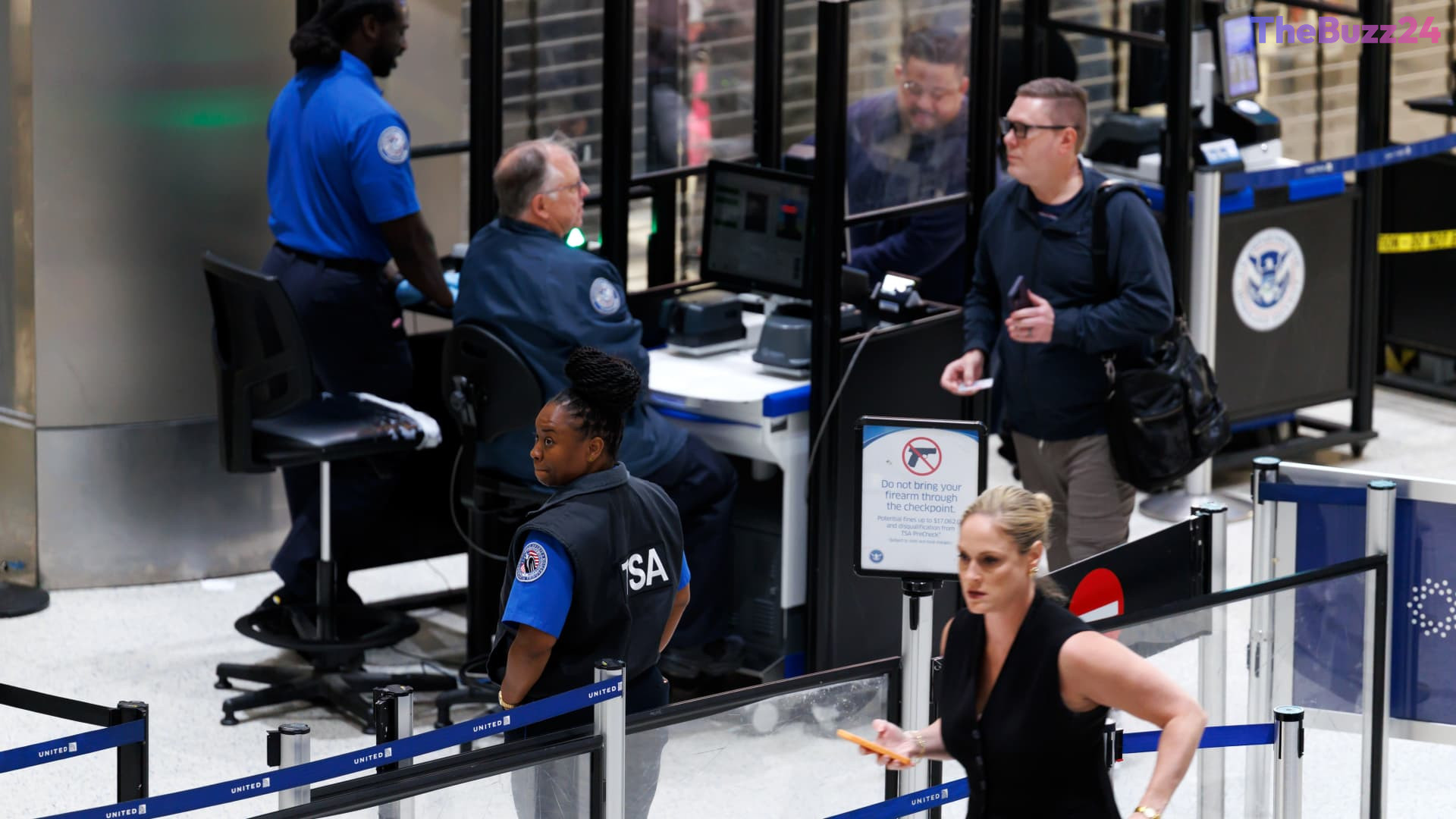
A powerful alliance of major U.S. airlines is voicing strong opposition to a White House initiative that would compel smaller airports to adopt private security screening. The current system, managed by the Transportation Security Administration (TSA), is seen by airline executives as a crucial element of aviation stability, and they argue that a mandatory shift to private operators could jeopardize this. Industry leaders are preparing to present their case to a House of Representatives committee, asserting that while private security can be a viable choice for certain airports, it should not be imposed universally across the nation’s air travel infrastructure.
This proposed policy is intrinsically linked to broader governmental efforts to reduce the TSA’s operational scope and budget. Recent proposals outline significant cuts, including the elimination of approximately 9,400 positions and a reduction of nearly 20% from the agency’s $7.8 billion budget. The administration’s rationale centers on the belief that outsourcing security at smaller airports and streamlining operations could yield substantial financial efficiencies. This potential transition represents a significant departure from the TSA’s original mandate, established in the aftermath of the September 11, 2001, terrorist attacks.
The pushback against the privatization plan is not confined to airline companies; labor unions are also expressing considerable dissent. The American Federation of Government Employees, representing a large contingent of TSA officers, has issued stern warnings, suggesting that privatization could undermine passenger safety protocols. Concurrently, the administration is proceeding with leadership transitions, recently nominating David Cummins, a senior executive from Serco North America, to head the TSA.
Amidst this escalating debate, the airline industry is prioritizing technological advancements in checkpoint and baggage screening systems over fundamental structural overhauls. With the TSA anticipating record passenger numbers in 2025, maintaining robust and consistent security standards remains a paramount concern for both air carriers and regulatory authorities.
Key Takeaways
- Major U.S. airlines are opposing a White House plan to mandate private security screeners at smaller airports.
- The proposed policy aims to reduce the TSA's budget and workforce, with airlines and labor unions concerned about potential impacts on safety and stability.
- The debate highlights a potential shift in aviation security strategy, moving away from TSA's direct oversight towards private sector involvement.
Editor’s Analysis & Impact
The proposed privatization of security screening at smaller U.S. airports signals a significant potential shift in the nation’s aviation security framework. While the administration touts cost savings and efficiency gains, the airline industry’s vocal opposition underscores deep-seated concerns about safety, consistency, and the potential fragmentation of security standards. This move could have far-reaching implications, potentially impacting everything from operational costs for carriers to the perceived security of air travel for the public. The industry’s focus on technological upgrades suggests a preference for modernizing existing systems rather than embracing a wholesale privatization that could introduce new risks and complexities.
Frequently Asked Questions
Q: What is the main concern of U.S. airlines regarding the proposed TSA privatization?
A: The primary concern for U.S. airlines is that mandating private security screeners at smaller airports could threaten aviation stability and potentially compromise passenger safety and security standards.
Q: Why is the White House proposing to reduce the TSA's budget and workforce?
A: The White House is proposing these reductions as part of an effort to scale back the TSA's operations and potentially achieve cost savings by shifting security responsibilities at smaller airports to private contractors.
Q: Who else besides airlines is opposing the privatization plan?
A: Labor organizations, such as the American Federation of Government Employees which represents TSA officers, are also strongly opposing the privatization plan, citing concerns about passenger safety.
AI Disclosure: This article is based on verified data and official reports. Our Team and AI have cross-referenced every financial detail with primary sources to ensure total accuracy.
More from this Category