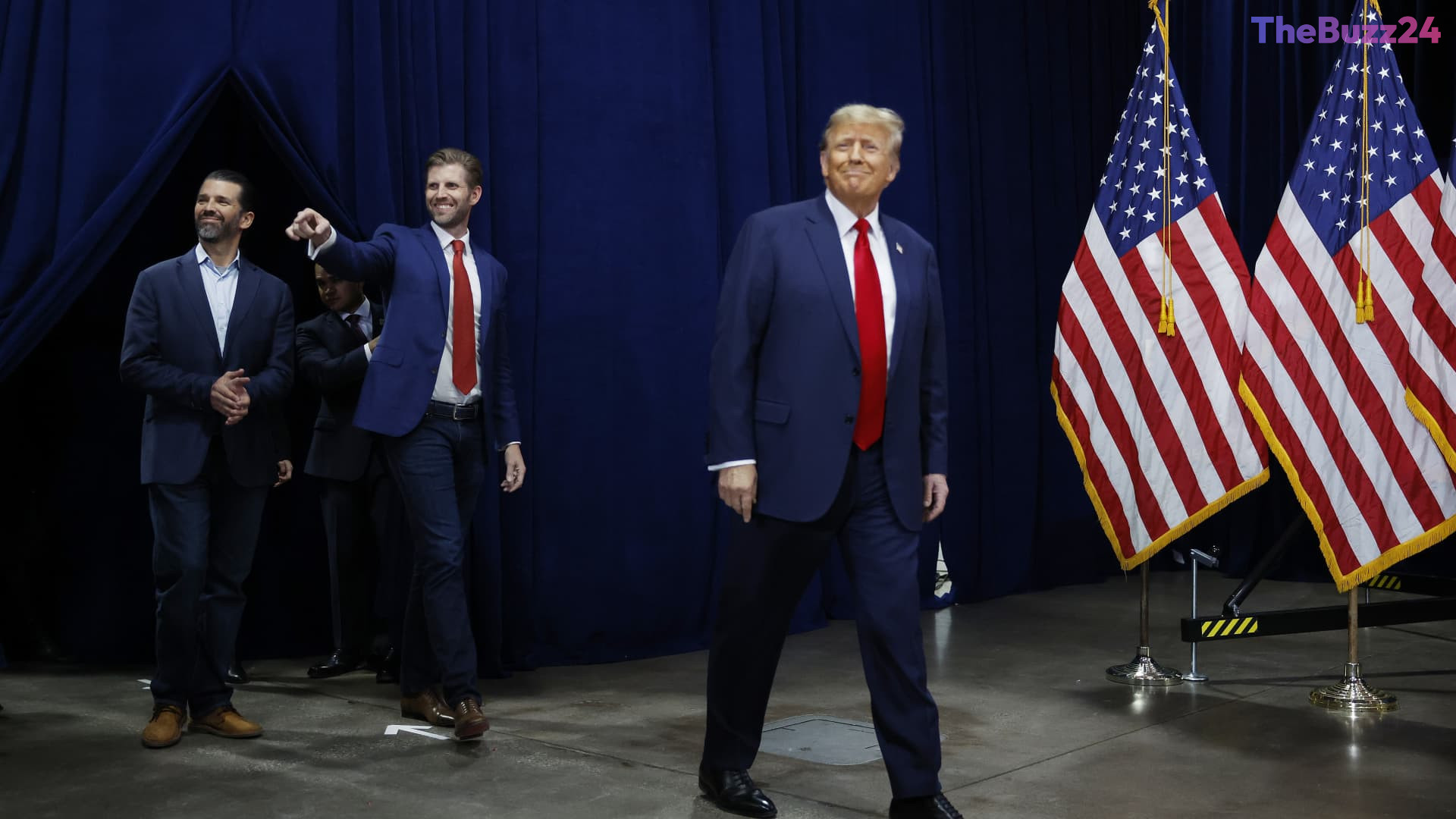
Trump Organization Reaches $1.8 Billion Settlement with Federal Government
The Trump Organization has finalized a comprehensive $1.8 billion settlement with the federal government, effectively resolving a long-standing legal dispute. As part of the agreement, Donald Trump, his family members, and their associated corporate entities have been granted broad tax immunity. This provision shields them from future IRS enforcement actions and terminates ongoing audits concerning tax filings submitted prior to the settlement date.
This resolution marks the conclusion of a $10 billion lawsuit previously initiated by the Trump family, which alleged that federal authorities had engaged in unauthorized disclosures of private financial records. A central feature of the new agreement is the establishment of an ‘Anti-Weaponization Fund.’ This initiative is intended to provide financial compensation to individuals who assert they were subjected to unfair targeting by federal law enforcement agencies during the previous administration.
The inclusion of the tax immunity clause has sparked significant debate within legislative circles. Members of the Senate Finance Committee have expressed strong opposition, arguing that the agreement threatens the institutional independence of the IRS. Critics contend that such a waiver could establish a dangerous precedent, potentially allowing high-profile political figures to bypass standard financial oversight and accountability measures. While the Justice Department maintains that the settlement is a standard legal mechanism for resolving complex litigation, the move continues to draw scrutiny regarding its long-term impact on regulatory integrity.
Key Takeaways
- A $1.8 billion settlement provides the Trump Organization and the Trump family with immunity from past IRS audits and future enforcement actions.
- The agreement includes the creation of an 'Anti-Weaponization Fund' to compensate those who claim they were unfairly targeted by federal law enforcement.
- Lawmakers have criticized the deal, warning that it compromises IRS independence and sets a concerning precedent for political accountability.
Editor’s Analysis & Impact
This settlement represents a significant intersection of political power and federal regulatory authority. By securing immunity from historical tax scrutiny, the Trump Organization has effectively neutralized a major legal vulnerability, yet the move has triggered a firestorm regarding the erosion of institutional checks and balances. The creation of the ‘Anti-Weaponization Fund’ introduces a novel, albeit controversial, mechanism for addressing perceived administrative overreach. The broader market and political implications are profound; if such settlements become a standard template for resolving disputes between the executive branch and private entities, it may fundamentally weaken the IRS’s ability to maintain consistent oversight. Future administrations will likely face intense pressure to justify similar concessions, potentially leading to a more politicized environment for federal tax enforcement and financial transparency.
Frequently Asked Questions
Q: What does the $1.8 billion settlement cover regarding the Trump Organization's taxes?
A: The settlement grants Donald Trump, his family, and their corporate entities immunity from new IRS enforcement actions and ongoing audits for tax filings made before the agreement date.
Q: What is the purpose of the newly created Anti-Weaponization Fund?
A: The fund is designed to provide financial compensation to individuals who claim they were unfairly targeted by federal law enforcement agencies during the previous administration.
Q: Why are lawmakers concerned about this settlement?
A: Lawmakers fear that the tax immunity clause undermines the independence of the IRS and sets a precedent that could allow political figures to avoid standard government financial scrutiny.
AI Disclosure: This article is based on verified data and official reports. Our Team and AI have cross-referenced every financial detail with primary sources to ensure total accuracy.
More from this Category