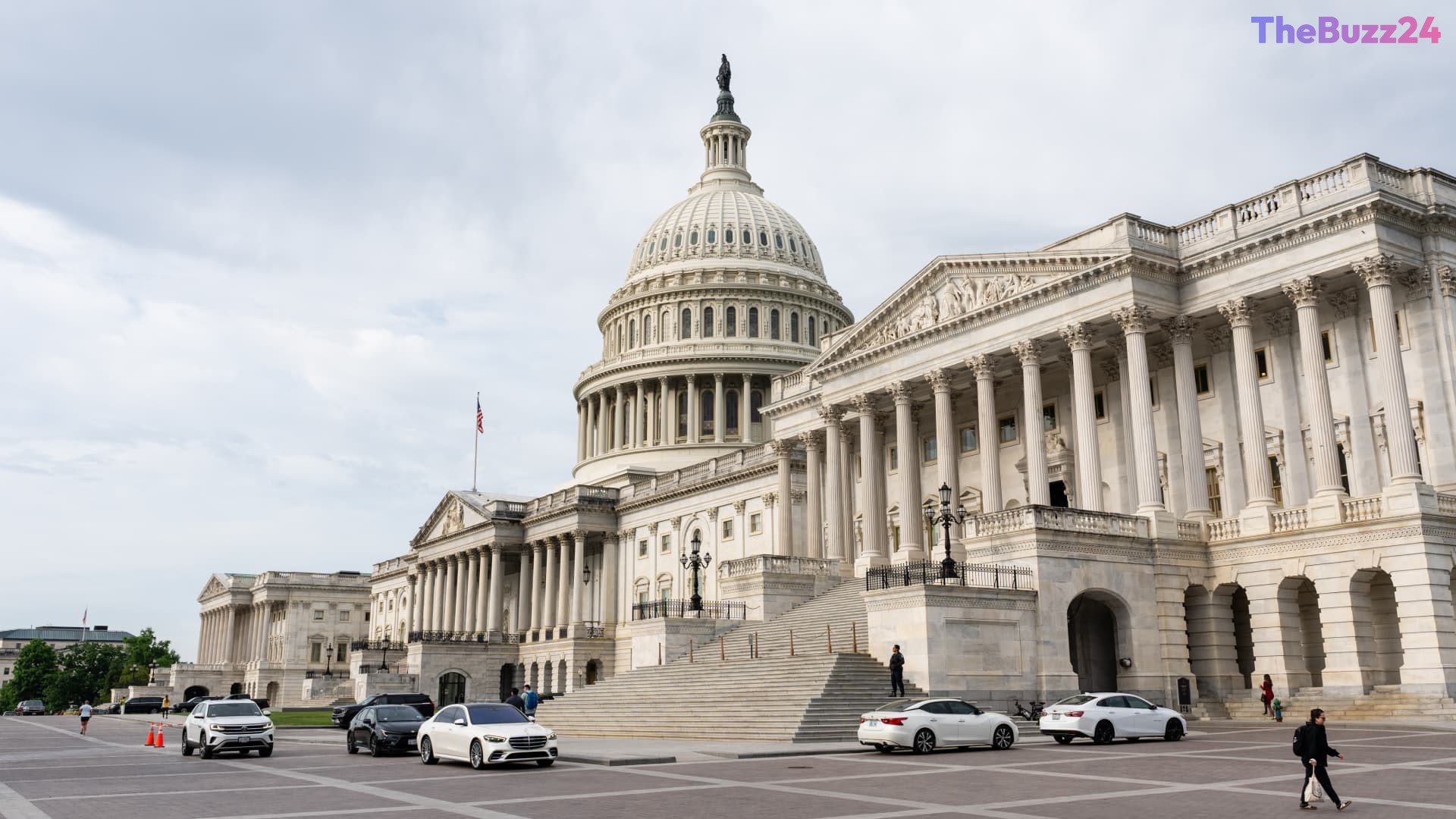
Senate Pushes Back on Executive Military Authority Amid Iran Conflict
The U.S. Senate has taken a significant step toward reasserting congressional oversight regarding military operations in Iran, passing a procedural resolution in a 50-47 vote. This legislative action highlights mounting bipartisan frustration over the executive branch’s management of the conflict and its perceived circumvention of traditional constitutional checks and balances. The vote was notably influenced by Senator Bill Cassidy, who joined the opposition, citing a critical lack of transparency surrounding the ongoing military engagement known as ‘Operation Epic Fury.’
Despite this legislative momentum, the resolution faces a steep climb to enactment. Even if the measure successfully navigates both chambers of Congress, it is widely expected to encounter a presidential veto. The conflict, which has persisted for nearly three months, has reignited intense debate over the War Powers Act. The administration maintains that the act is unconstitutional and argues that intermittent pauses in active combat effectively reset the 60-day window that would otherwise mandate formal congressional authorization for continued military action.
Economic instability is further fueling the urgency of these deliberations. The ongoing closure of the Strait of Hormuz has severely disrupted global oil supplies, pushing domestic gasoline prices to an average of $4.53 per gallon. With the summer travel season approaching and midterm elections on the horizon, lawmakers are facing heightened pressure from constituents to address the economic fallout of the war. While the vote was impacted by the absence of several Republican senators and a lone dissenting vote from Senator John Fetterman, the core constitutional question regarding the limits of executive war-making power remains at the forefront of the national agenda.
Key Takeaways
- The Senate passed a 50-47 procedural vote aimed at limiting executive military authority in Iran.
- The administration argues the War Powers Act is unconstitutional and that combat lulls reset the 60-day authorization clock.
- Rising domestic gas prices, currently averaging $4.53 per gallon, are increasing political pressure on lawmakers to resolve the conflict.
Editor’s Analysis & Impact
The Senate’s recent vote represents a rare, albeit symbolic, attempt to reclaim legislative authority in matters of war, a domain that has seen significant executive expansion over the past several decades. The conflict in Iran is not merely a military issue; it is a catalyst for broader economic volatility, specifically regarding global energy markets. The closure of the Strait of Hormuz serves as a reminder of the fragility of global supply chains, which directly impacts domestic inflation and consumer sentiment. Looking ahead, the tension between the executive branch’s interpretation of the War Powers Act and Congress’s constitutional mandate to declare war will likely define the political landscape for the remainder of the term. If the administration continues to bypass legislative approval, it risks a deeper constitutional crisis that could alienate moderate voters and complicate future foreign policy initiatives.
Frequently Asked Questions
Q: What is the primary goal of the Senate resolution?
A: The resolution aims to curb military operations in Iran and reassert congressional oversight, challenging the executive branch's ability to conduct long-term military engagements without formal authorization.
Q: Why is the administration resisting congressional oversight in this conflict?
A: The administration argues that the War Powers Act is unconstitutional and contends that brief lulls in active combat effectively reset the 60-day clock that would otherwise require them to seek formal approval from Congress.
AI Disclosure: This article is based on verified data and official reports. Our Team and AI have cross-referenced every financial detail with primary sources to ensure total accuracy.
More from this Category