The Orbital Frontier: Jeff Bezos Weighs In on the Future of Space-Based Computing
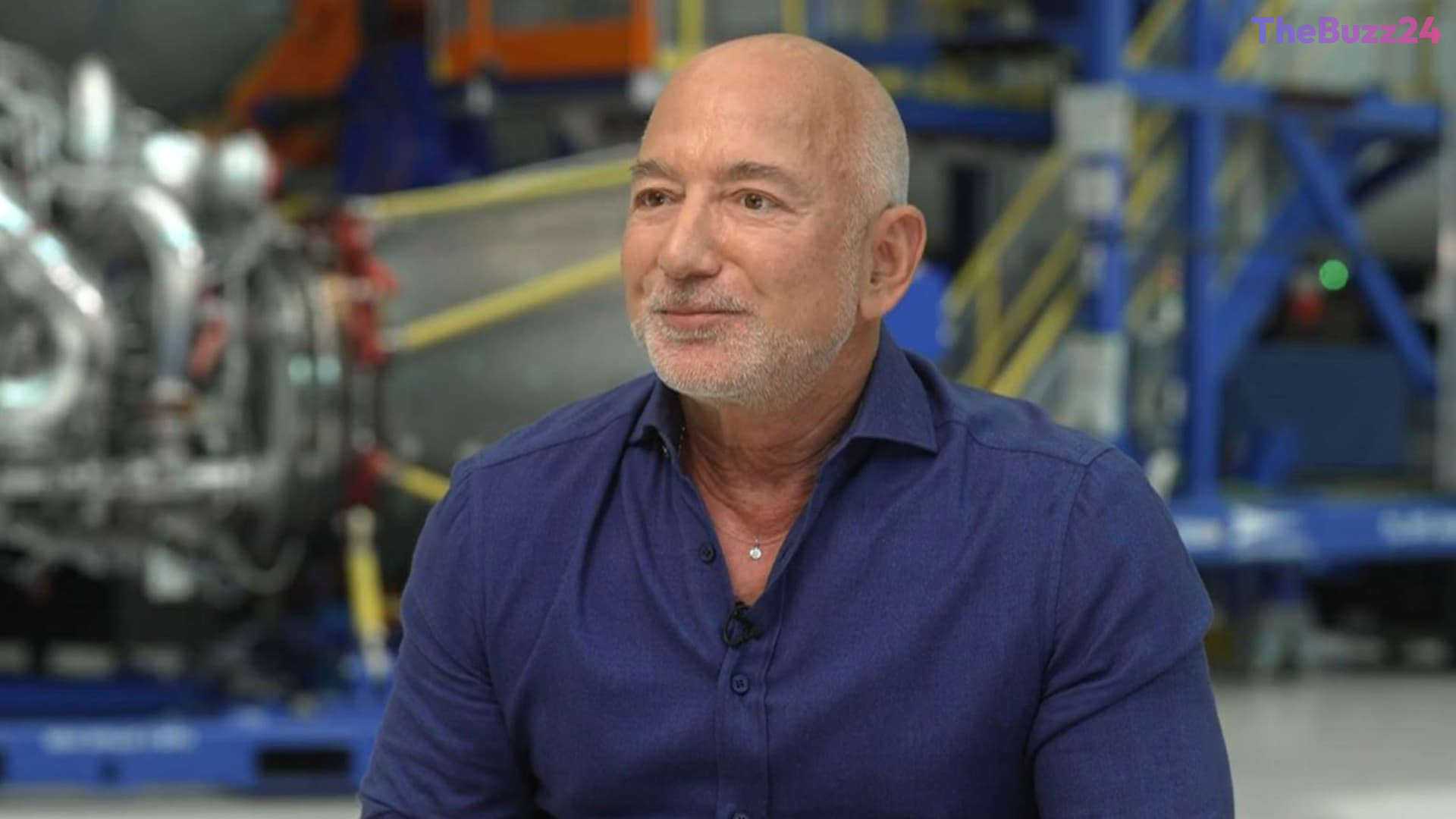
The vision of moving massive data centers into orbit is gaining traction among industry titans, though Jeff Bezos, founder of Blue Origin, is urging a more measured approach to the timeline. While some industry projections suggest that orbital computing facilities could be fully operational within the next two to three years, Bezos has characterized these estimates as overly ambitious, noting that significant technical and economic hurdles must be cleared before such a transition becomes viable.
At the heart of the challenge are the prohibitive costs associated with specialized hardware and the need for more cost-effective launch vehicles. Furthermore, the immense power requirements of modern artificial intelligence models necessitate a robust infrastructure that currently does not exist in space. Despite these obstacles, the potential benefits are substantial, including the ability to bypass terrestrial land constraints and the opportunity to harness direct, uninterrupted solar energy for high-performance computing.
The race to establish a presence in low Earth orbit is heating up, with major players vying for dominance. Elon Musk has signaled that orbital data centers are a strategic priority for the integration of SpaceX and xAI. Simultaneously, Blue Origin is advancing its own ambitions through ‘Project Sunrise,’ a massive initiative involving over 51,000 satellites. Supported by the TeraWave constellation, the company aims to begin deployment by late 2027.
Looking beyond data storage, the long-term goal for the space economy involves shifting industrial production away from Earth entirely. Bezos has outlined a strategy that includes utilizing lunar resources to manufacture solar cells, taking advantage of the moon’s lower gravity to facilitate easier logistics. These efforts, bolstered by partnerships with NASA and the U.S. government, suggest that space is rapidly evolving from a scientific frontier into a critical pillar of the global industrial and defense landscape.
Key Takeaways
- Jeff Bezos cautions that current industry timelines for orbital data centers are likely too optimistic due to high costs and infrastructure needs.
- Major industry players like Blue Origin and the SpaceX-xAI partnership are actively developing satellite constellations to support future space-based computing.
- The long-term vision for the space economy includes moving industrial manufacturing to the moon to leverage lower gravity and local resources.
Editor’s Analysis & Impact
The push toward orbital data centers represents a paradigm shift in how we view global infrastructure. By moving computing power into space, companies aim to solve the ‘energy-land’ bottleneck currently facing AI development on Earth. However, the industry remains in a high-risk, high-capital phase. The primary market implication is a massive surge in demand for heavy-lift launch capabilities and space-hardened hardware. While the timeline for full-scale orbital data centers may be longer than the most optimistic projections suggest, the strategic alignment between private aerospace firms and government agencies like NASA indicates that this is no longer science fiction. Investors should monitor the progress of satellite constellation deployments and the development of lunar-based manufacturing, as these will be the true indicators of when the space economy transitions from speculative to operational.
Frequently Asked Questions
Q: Why are companies interested in building data centers in space?
A: Space-based data centers offer access to unlimited solar energy and eliminate the land-use constraints and cooling challenges faced by terrestrial data centers.
Q: What are the main obstacles to building data centers in orbit?
A: The primary hurdles include the high cost of launching hardware, the need for specialized chips that can withstand the space environment, and the massive energy infrastructure required to support AI operations.
AI Disclosure: This article is based on verified data and official reports. Our Team and AI have cross-referenced every financial detail with primary sources to ensure total accuracy.
More from this Category