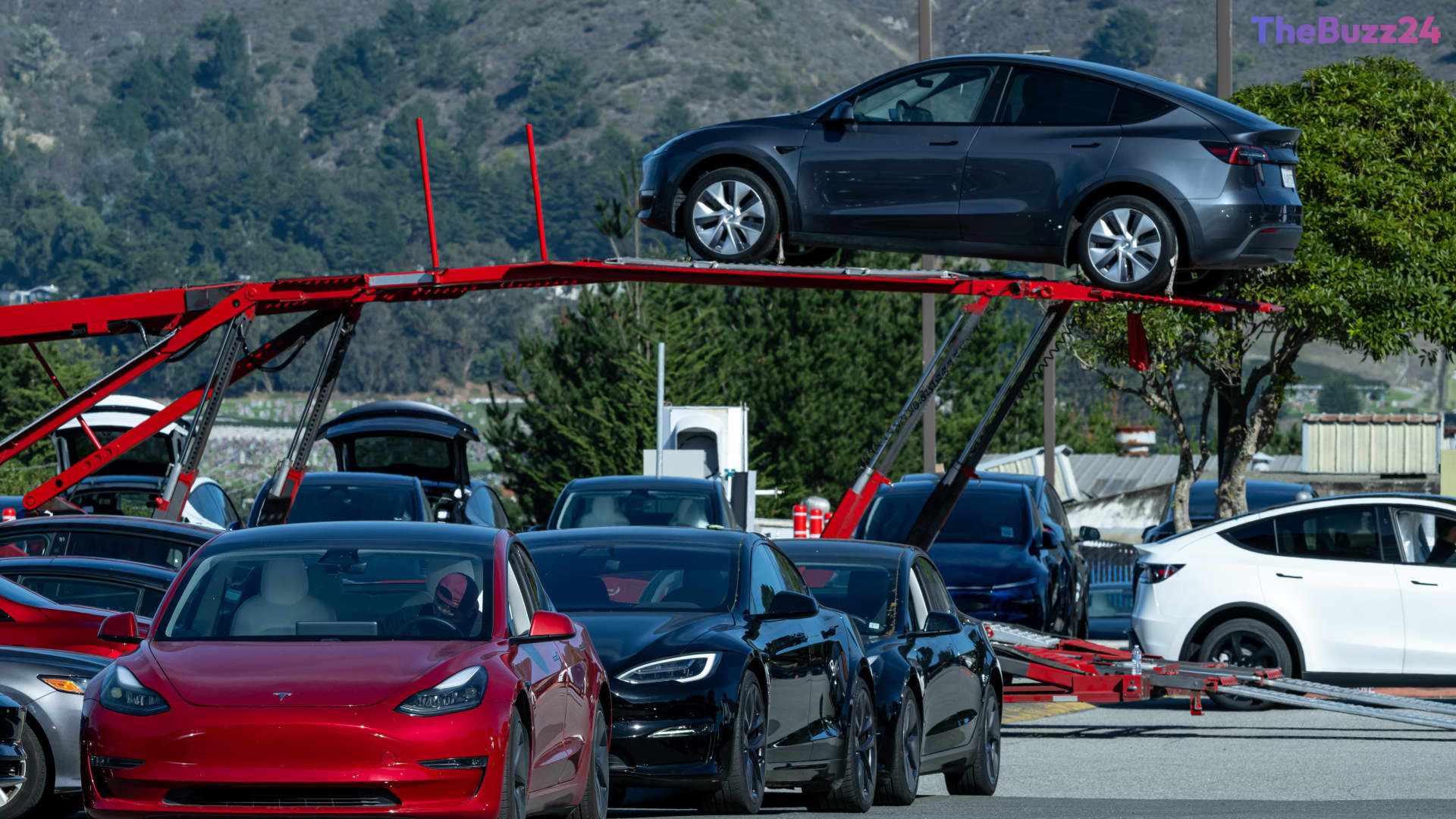
Electric Vehicle Market Shows Resilience as Consumer Loyalty and Trade-Ins Climb
The automotive landscape is undergoing a notable transformation as consumer preferences shift toward electrification. Recent data reveals a 7% increase in car buyers trading in traditional internal combustion engine vehicles for electric models over the last four months. This trend highlights a persistent public interest in sustainable transportation, even as the industry faces a complex economic backdrop defined by volatile fuel costs and high interest rates.
Beyond new acquisitions, the electric vehicle sector is benefiting from strong brand loyalty. A growing number of current EV owners are opting to replace their existing vehicles with newer electric models, signaling increased confidence in the long-term reliability of the technology. While some government incentives have sunset, the market remains competitive due to aggressive dealership strategies, including low APR financing and cash-back incentives that help bridge the affordability gap for many households.
Despite this positive momentum, industry analysts urge a measured outlook. The current economic climate, particularly elevated interest rates, continues to act as a significant hurdle for potential buyers who must weigh long-term energy savings against the immediate pressure of monthly loan payments. Furthermore, the transition to widespread electric mobility remains tethered to the expansion of public charging infrastructure and the arrival of more budget-friendly vehicle options. Until these practical barriers are addressed, the shift toward electric vehicles is expected to continue as a steady, nuanced evolution rather than an abrupt market overhaul.
Key Takeaways
- Electric vehicle trade-ins have risen by 7% in the last four months, reflecting a steady increase in consumer demand.
- High owner loyalty and aggressive dealership financing promotions are currently sustaining market growth despite the expiration of government incentives.
- Broad adoption remains constrained by high interest rates, limited charging infrastructure, and the need for more affordable vehicle models.
Editor’s Analysis & Impact
The resilience of the electric vehicle market, even in the face of macroeconomic headwinds, suggests that the transition to sustainable transport has moved beyond early-adopter trends into a phase of genuine market maturity. The increase in repeat buyers is particularly telling, as it indicates that the ownership experience is meeting consumer expectations. However, the industry is currently at a critical inflection point. To move from a niche segment to mass-market dominance, manufacturers must pivot from high-end luxury offerings to more accessible, budget-friendly models. Simultaneously, the pace of infrastructure development—specifically the deployment of reliable, fast-charging networks—will be the primary determinant of future growth. If these supply-side challenges are met, the EV sector is well-positioned to maintain its upward trajectory despite broader economic volatility.
Frequently Asked Questions
Q: What factors are currently supporting EV sales despite high interest rates?
A: Sales are being supported by strong consumer loyalty, long-term fuel savings, and aggressive dealership promotions such as low APR financing and cash-back offers.
Q: Why is the transition to electric vehicles considered a 'gradual evolution'?
A: The transition is viewed as gradual because it depends on long-term infrastructure improvements and the introduction of more affordable models, rather than just immediate consumer interest.
AI Disclosure: This article is based on verified data and official reports. Our Team and AI have cross-referenced every financial detail with primary sources to ensure total accuracy.
More from this Category