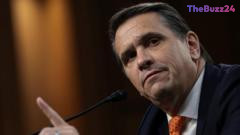
Todd Blanche Formally Scraps Controversial ‘Anti-Weaponisation’ Fund to Secure Confirmation
Acting U.S. Attorney General Todd Blanche has officially rescinded a controversial proposal for an ‘anti-weaponisation’ fund, a move intended to resolve a political stalemate and clear his path toward permanent confirmation by the Senate. The proposed $1.8 billion fund, which was originally tied to a lawsuit filed by President Donald Trump against the Internal Revenue Service (IRS), had faced intense scrutiny from both sides of the aisle. Critics feared the capital could be utilized to compensate individuals prosecuted for their roles in the January 6, 2021, U.S. Capitol riot.
In a formal written order released to address lingering skepticism among lawmakers, Blanche stated, ‘This Order establishes, beyond any doubt, that there is no Fund.’ The decision follows weeks of negotiations with committee members and senators who had previously withheld their support. Beyond the fund itself, Blanche also clarified that immunity provisions regarding IRS audits would be strictly limited to the named parties in the lawsuit, specifically President Trump, his sons Donald Jr. and Eric, and the Trump Organization.
The impasse had previously stalled Blanche’s nomination, with Republican Senators John Cornyn and Thom Tillis serving as key holdouts. While President Trump had offered conflicting signals regarding the fund’s status—at times declaring it ‘dead’ and at others threatening to revive it to pressure lawmakers—the formal documentation provided by Blanche appears to have satisfied the necessary requirements to move his confirmation forward. The Senate Judiciary Committee is expected to address the nomination in an upcoming session, now that the primary points of contention have been addressed in writing.
Key Takeaways
- Acting Attorney General Todd Blanche has issued a formal order confirming the total cancellation of the $1.8 billion 'anti-weaponisation' fund.
- The move aims to resolve a legislative deadlock with key Republican senators who were concerned about the fund's potential use and the scope of IRS audit immunity.
- The Senate Judiciary Committee is now positioned to proceed with a confirmation vote for Blanche following the resolution of these concerns.
Editor’s Analysis & Impact
The formal withdrawal of the ‘anti-weaponisation’ fund represents a significant tactical retreat for the administration, prioritizing the confirmation of a key cabinet official over a contentious policy initiative. By narrowing the scope of IRS immunity and explicitly killing the fund, Blanche has successfully navigated a precarious political environment, demonstrating the limits of executive influence when faced with institutional resistance from within the party. The episode highlights the ongoing tension between the executive branch’s desire for broad legal protections and the legislative branch’s role as a check on potential overreach. Moving forward, this resolution likely stabilizes the Department of Justice’s leadership, though it leaves open questions regarding how the administration will handle future legal disputes involving the IRS and the President’s personal financial interests.
Frequently Asked Questions
Q: Why was the 'anti-weaponisation' fund controversial?
A: The fund was controversial because critics, including some lawmakers, feared it could be used to provide financial compensation to individuals prosecuted for their involvement in the January 6, 2021, U.S. Capitol riot.
Q: What was the primary obstacle to Todd Blanche's confirmation?
A: The primary obstacle was a lack of support from key Republican senators, specifically John Cornyn and Thom Tillis, who were unsatisfied with verbal assurances regarding the fund's cancellation and the scope of IRS audit immunity.
AI Disclosure: This article is based on verified data and official reports. Our Team and AI have cross-referenced every financial detail with primary sources to ensure total accuracy.
More from this Category