U.S. Escalates Aerial Surveillance Operations Near Cuban Waters
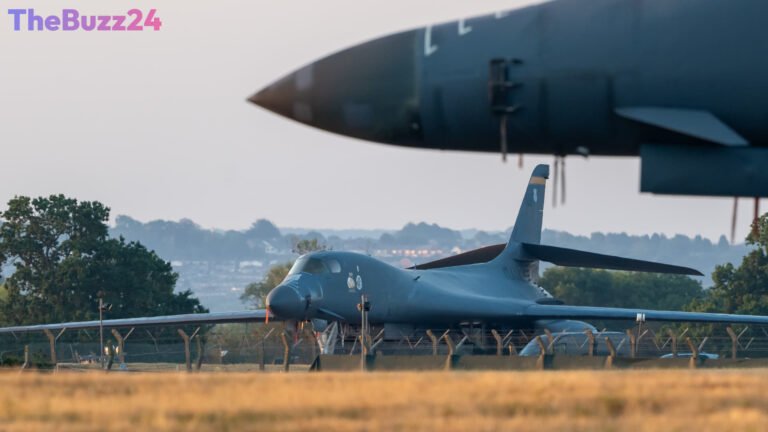
The United States military has ramped up its reconnaissance efforts in the Caribbean, deploying a consistent rotation of P-8A Poseidon aircraft and MQ-4C Triton drones near the Cuban coastline. Flight-tracking data indicates that these surveillance assets are frequently operating within 50 miles of the island. By keeping transponders active during these missions, the U.S. is signaling a clear, persistent monitoring presence, a move analysts interpret as a strategic effort to exert pressure on the Cuban government.
This surge in military activity occurs against a backdrop of deepening diplomatic and economic strain. The U.S. has enforced a stringent fuel blockade, which has exacerbated energy instability and triggered frequent power outages throughout Cuba. While the proximity of these flights has sparked fears of potential escalation, current flight patterns remain strictly offshore, suggesting the primary objective is the surveillance of maritime traffic. The operation appears specifically aimed at preventing third-party nations, such as Venezuela, from bypassing the blockade to deliver energy supplies.
Political tensions have been further inflamed by recent public statements from U.S. officials, who have directly addressed the Cuban public while condemning the island’s leadership for the ongoing economic crisis. In turn, the Cuban government has dismissed claims regarding its own offensive drone capabilities as a fabrication intended to justify foreign intervention. The ongoing deployment of high-tech surveillance hardware underscores the current administration’s firm commitment to its existing policy framework regarding the island nation.
Key Takeaways
- The U.S. military is maintaining a high-visibility surveillance presence near Cuba using P-8A Poseidon aircraft and MQ-4C Triton drones.
- The surveillance operations are primarily focused on enforcing a fuel blockade and preventing third-party energy shipments to the island.
- Tensions remain high as both nations trade accusations, with the U.S. citing economic concerns and Cuba warning against potential military intervention.
Editor’s Analysis & Impact
The intensification of U.S. aerial surveillance near Cuba represents a calculated shift in regional power dynamics. By utilizing visible, high-tech reconnaissance, the U.S. is effectively weaponizing transparency to deter potential sanctions-busting activities by regional allies like Venezuela. This strategy reflects a broader trend of using ‘gray zone’ tactics—actions that fall below the threshold of direct conflict—to maintain economic pressure on adversaries. The long-term implications suggest that the U.S. is prioritizing the containment of Cuban energy infrastructure over diplomatic normalization. As the island continues to struggle with internal power instability, the presence of these assets will likely remain a permanent fixture, increasing the risk of miscalculation or accidental confrontation in the Caribbean maritime corridor. The situation remains a critical focal point for regional stability and international maritime law.
Frequently Asked Questions
Q: Why is the U.S. military flying surveillance missions near Cuba?
A: The missions are intended to monitor maritime traffic and enforce a fuel blockade, preventing third-party nations from delivering energy supplies to the island.
Q: How has the Cuban government responded to these surveillance flights?
A: The Cuban government has denied allegations that it possesses offensive drone capabilities and has characterized the U.S. claims as a pretext for potential military intervention.
AI Disclosure: This article is based on verified data and official reports. Our Team and AI have cross-referenced every financial detail with primary sources to ensure total accuracy.
More from this Category