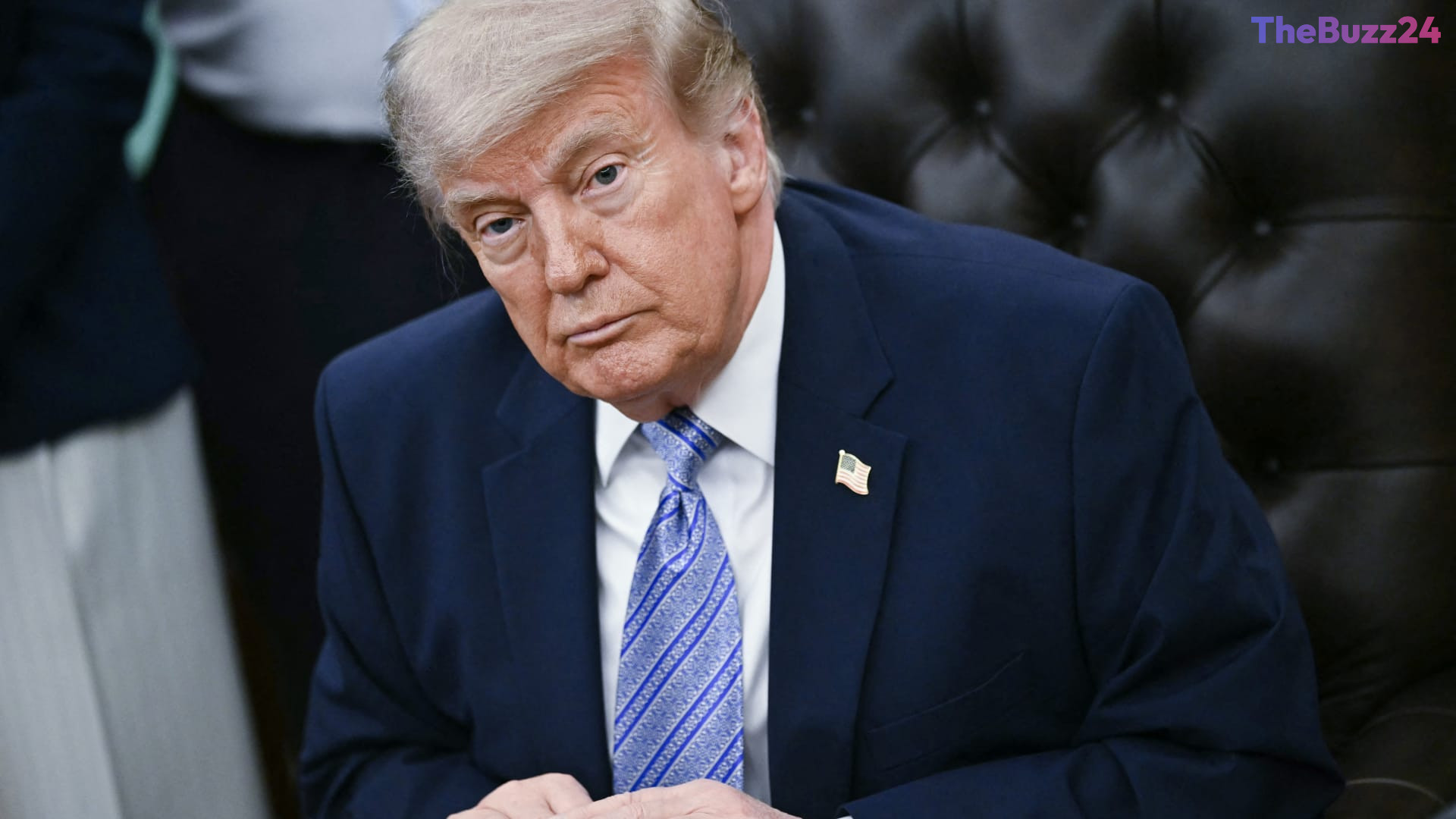
AI Regulation on Hold: Trump Administration Prioritizes Innovation Over Immediate Oversight
The Trump administration has officially put a pause on a significant executive order that was set to introduce new regulations for the artificial intelligence sector. The decision stems from concerns that the proposed rules could potentially stifle the industry’s rapid growth and innovation.
During a recent briefing, President Trump indicated that certain provisions within the draft order were viewed as problematic, potentially creating unnecessary bureaucratic hurdles for domestic AI developers. The core of the delayed policy would have granted federal agencies the authority to conduct pre-evaluation screenings of AI models, with the aim of identifying and mitigating potential security risks. However, the administration expressed apprehension that such stringent oversight might slow down the pace of innovation, which is currently a major driving force in the sector.
The President emphasized the critical importance of maintaining the nation’s leading position in global AI development. He cautioned that overly restrictive measures could diminish the momentum of key technology firms. This move comes at a time when the AI industry is a significant contributor to market performance, often providing stability amidst broader economic and geopolitical uncertainties.
While the administration has generally supported an environment conducive to AI growth, often favoring industry-led initiatives, it has also been working to establish structured oversight mechanisms. Notably, the federal Center for AI Standards and Innovation has successfully negotiated voluntary agreements with prominent industry leaders, including Microsoft, Google DeepMind, and Elon Musk’s xAI. These agreements are designed to facilitate the evaluation of new AI models prior to their public release, suggesting a collaborative approach to AI safety.
Key Takeaways
- President Trump has delayed a planned executive order on AI, citing concerns about hindering domestic innovation.
- The proposed order aimed to give federal agencies authority for pre-evaluating AI models for security risks.
- Major tech companies, including Microsoft, Google DeepMind, and xAI, have already engaged in voluntary agreements for model safety.
Editor’s Analysis & Impact
The decision to delay the AI executive order reflects a strategic effort by the administration to balance national security imperatives with the economic imperative of maintaining leadership in artificial intelligence. By opting to prioritize innovation over immediate, potentially stifling federal regulation, the administration signals its commitment to fostering growth within the tech sector and avoiding a ‘regulatory chill’ that could drive investment elsewhere. The reliance on voluntary agreements with industry giants like Microsoft and xAI suggests a move towards a hybrid governance model, where industry-led safety standards are emphasized over strict governmental mandates. This approach could set a precedent for how the U.S. manages the development of future emerging technologies.
Frequently Asked Questions
Q: Why has the AI executive order been postponed?
A: The executive order was postponed because President Trump expressed concerns that its proposed regulations could create bureaucratic hurdles and impede the rapid pace of innovation within the domestic AI sector.
Q: What was the intended purpose of the delayed executive order?
A: The primary goal of the proposed executive order was to grant federal agencies the authority to conduct pre-evaluation screenings of AI models to identify and address potential security risks before public release.
Q: Have companies already agreed to safety standards for AI models?
A: Yes, major industry leaders such as Microsoft, Google DeepMind, and Elon Musk's xAI have entered into voluntary agreements with the federal Center for AI Standards and Innovation to facilitate the evaluation of new AI models.
AI Disclosure: This article is based on verified data and official reports. Our Team and AI have cross-referenced every financial detail with primary sources to ensure total accuracy.
More from this Category