China Pushes for Deeper Economic Integration at APEC Summit in Suzhou
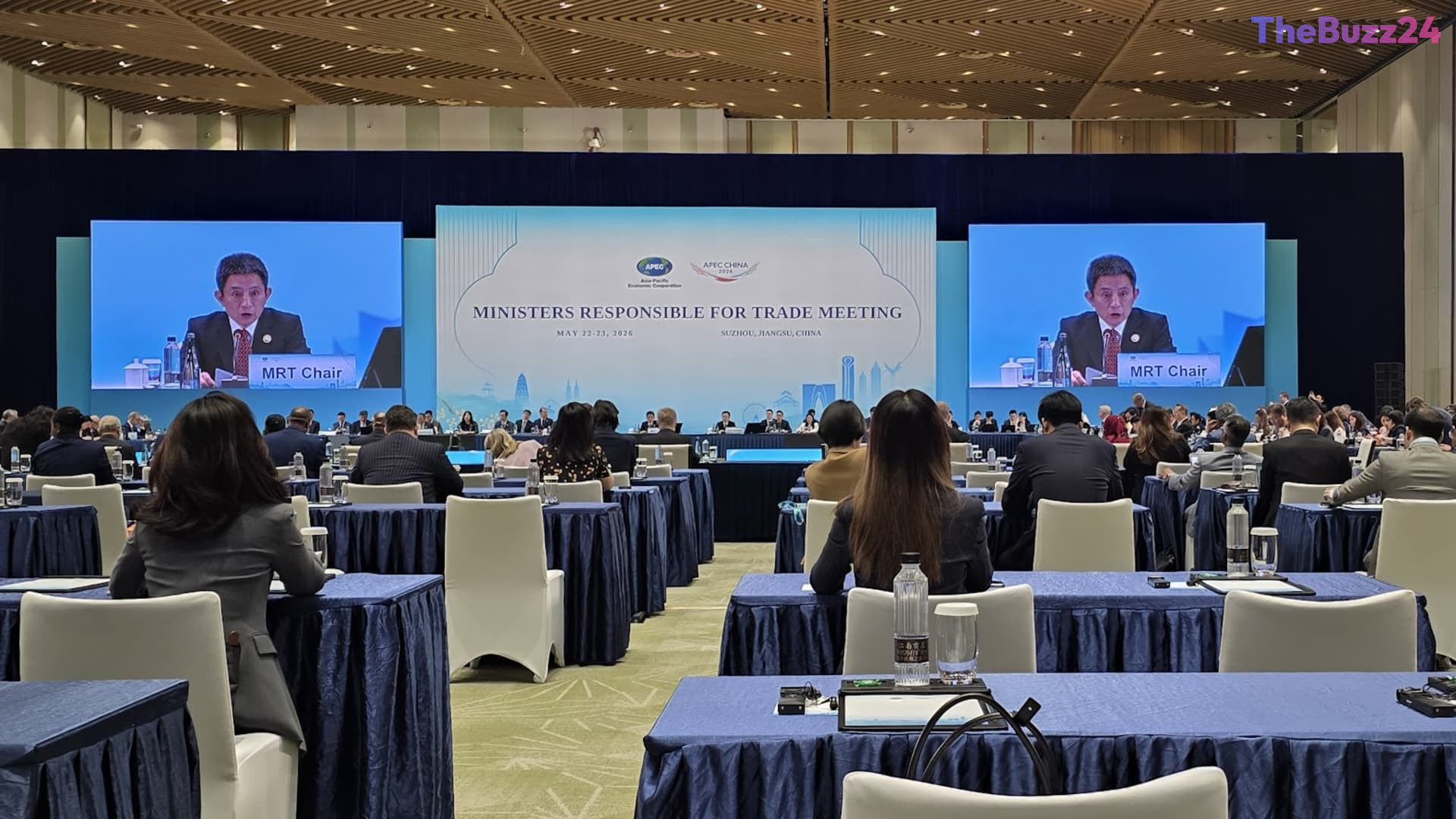
The Asia-Pacific Economic Cooperation (APEC) trade ministers’ summit in Suzhou has become a focal point for discussions on regional economic stability and integration. With 21 member economies represented, the forum serves as a critical venue for aligning trade policies and addressing the challenges posed by a volatile global economic environment. The sessions aim to foster a collaborative atmosphere, emphasizing the necessity of maintaining open communication channels to support long-term growth across the Asia-Pacific region.
Vice Commerce Minister Li Chenggang led the Chinese delegation during the opening proceedings, stepping in for Commerce Minister Wang Wentao. In his address, Li highlighted APEC’s essential role as a primary engine for international trade dialogue. While acknowledging that the organization functions as a consultative forum rather than a formal treaty-making body, he stressed that the consensus-building process is vital for navigating current geopolitical complexities.
The summit occurs amidst a period of cautious diplomatic recalibration between the United States and China. With the U.S. delegation led by Deputy United States Trade Representative Rick Switzer, the discussions are building upon recent bilateral progress in sectors such as agriculture and aviation. The primary objective for participants is to move beyond high-level rhetoric and focus on the practical implementation of existing trade agreements, ensuring that diplomatic efforts translate into tangible economic benefits and more resilient supply chains.
Key Takeaways
- China is actively promoting deeper economic integration and regional unity among the 21 APEC member nations.
- The summit serves as a diplomatic platform to stabilize trade relations and move toward the practical execution of existing agreements.
- Recent bilateral progress between the U.S. and China in agriculture and aviation provides a foundation for the current discussions in Suzhou.
Editor’s Analysis & Impact
The APEC summit in Suzhou arrives at a pivotal moment for trans-Pacific commerce. China’s push for regional unity is a strategic attempt to solidify economic ties within the Asia-Pacific, potentially creating a more cohesive bloc amidst shifting global trade dynamics. While APEC lacks the authority to mandate formal treaties, its value as a diplomatic incubator cannot be overstated. The recent progress in US-China relations—specifically regarding agricultural and aviation sectors—suggests a period of cautious stabilization. However, the true impact of these meetings will be measured by the transition from diplomatic dialogue to the actual execution of trade protocols. For global markets, the focus must shift from the rhetoric of the summit to the practicalities of how these agreements are implemented on the ground, as this will determine the long-term stability of regional supply chains.
Frequently Asked Questions
Q: What is the primary goal of the APEC trade ministers' meeting in Suzhou?
A: The meeting aims to strengthen economic ties, foster consensus among the 21 member economies, and promote regional integration to navigate the current global economic landscape.
Q: Does APEC have the authority to create binding trade treaties?
A: No, APEC functions primarily as a forum for dialogue and consensus-building among member nations rather than a venue for formal, binding negotiations.
Q: Who led the Chinese delegation at the summit?
A: Vice Commerce Minister Li Chenggang led the Chinese delegation, filling in for Commerce Minister Wang Wentao due to his urgent official commitments.
AI Disclosure: This article is based on verified data and official reports. Our Team and AI have cross-referenced every financial detail with primary sources to ensure total accuracy.
More from this Category