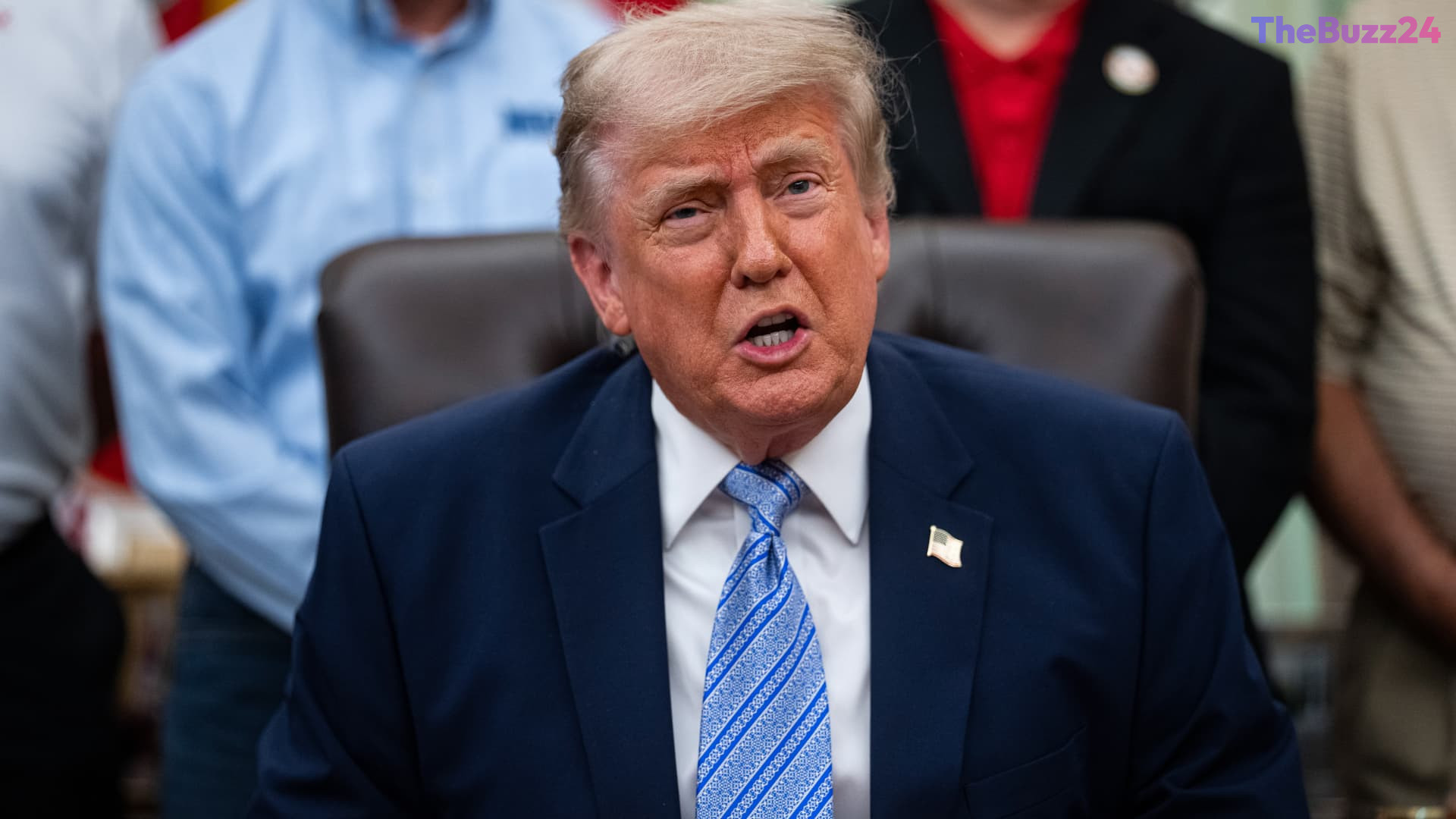
Controversial ‘Anti-Weaponization Fund’ Divides Congress, Draws ‘Slush Fund’ Label
Former President Donald Trump has publicly championed a new Department of Justice initiative, the “Anti-Weaponization Fund,” designed to compensate individuals who claim they were unfairly targeted by government prosecutors during the previous administration. This substantial $1.8 billion allocation has been presented by Trump as a crucial step towards rectifying perceived injustices, with the former president stating he personally declined a financial settlement in his lawsuit against the Internal Revenue Service to help establish the fund. He frames the initiative as essential for delivering justice to those he believes were mistreated by the system.
The proposed fund has ignited considerable controversy within Congress, particularly among Republican senators who have voiced profound skepticism regarding its structure and intended use. Several high-profile GOP figures have derided the initiative as a “slush fund,” expressing significant apprehension that it could be utilized to disburse payments to individuals involved in the January 6, 2021, Capitol riot. This strong backlash has led Senate leadership to postpone votes on related legislative measures, with calls for robust accountability mechanisms and safeguards to prevent any potential misuse of public funds.
Despite the significant friction in the Senate, the “Anti-Weaponization Fund” has garnered support from a segment of House Republicans. Proponents argue that the fund is a vital tool to address what they perceive as the weaponization of federal agencies against political figures and their associates. While acknowledging its necessity, supporters also emphasize the importance of objective oversight to ensure that only legitimate claims are processed. Conversely, opposition lawmakers have sharply criticized the administration’s spending priorities, contrasting the billions allocated to this fund and other projects with broader economic needs facing the American populace.
Key Takeaways
- Former President Trump is advocating for a $1.8 billion Department of Justice "Anti-Weaponization Fund" to compensate individuals alleging prosecutorial overreach.
- The fund faces strong opposition in the Senate, with critics labeling it a "slush fund" and raising concerns about potential payouts to January 6 participants.
- While some House Republicans support the fund as a mechanism against government weaponization, calls for objective oversight and criticism over spending priorities persist.
Editor’s Analysis & Impact
This initiative highlights the deep political polarization surrounding the Department of Justice and its perceived impartiality. If implemented, the “Anti-Weaponization Fund” could set a precedent for future administrations to create similar mechanisms, potentially politicizing the compensation process for alleged government misconduct. The intense congressional debate reflects broader concerns about government accountability and the weaponization of federal agencies, issues that resonate deeply with a significant portion of the electorate. The outcome of this legislative battle will likely influence public trust in legal institutions and could further entrench partisan divisions regarding the role and oversight of federal law enforcement. Its long-term implications could reshape how claims of governmental overreach are addressed, potentially leading to more politically charged legal battles.
Frequently Asked Questions
Q: What is the "Anti-Weaponization Fund"?
A: The "Anti-Weaponization Fund" is a proposed $1.8 billion Department of Justice initiative championed by former President Donald Trump, intended to compensate individuals who claim they were unfairly targeted by prosecutorial overreach during the previous administration.
Q: Why is the fund controversial?
A: The fund is controversial due to concerns from Republican senators who label it a "slush fund" and fear it could be used to provide payouts to individuals involved in the January 6, 2021, Capitol riot. Critics are demanding clearer accountability measures to prevent misuse of taxpayer dollars.
Q: Who supports and opposes the fund?
A: Former President Trump and some House Republicans support the fund, viewing it as a vital mechanism to address alleged weaponization of government agencies. Opposition lawmakers and a significant number of Republican senators oppose it, citing concerns about its structure, purpose, and spending priorities.
AI Disclosure: This article is based on verified data and official reports. Our Team and AI have cross-referenced every financial detail with primary sources to ensure total accuracy.
More from this Category