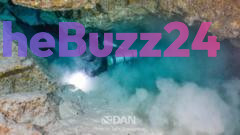
Safety Protocols Under Scrutiny Following Fatal Maldives Cave Diving Disaster
A major recovery operation in the Maldives has concluded after the bodies of four Italian divers were retrieved from a deep-sea cave system. The group, which included researchers from the University of Genoa, went missing on May 14 near the Vaavu Atoll during a period of severe weather. The mission was further marred by tragedy when a local rescue diver, Staff Sgt Mohamed Mahdhee, died while attempting to locate the missing individuals.
Specialist divers involved in the recovery have expressed grave concerns regarding the safety preparations of the group. Reports from the scene indicate that the divers lacked essential cave-diving equipment, most notably a safety reel or guide rope. Often referred to as ‘Ariadne’s thread,’ this tool is considered a fundamental requirement for navigating complex, low-visibility underwater environments. Experts noted that the gear recovered with the victims was insufficient for the extreme conditions of the cave, which reached depths of approximately 60 meters.
While official investigations into the exact cause of the accident are ongoing, preliminary findings point toward human error as a primary factor. The victims—Prof. Monica Montefalcone, Muriel Oddenino, Giorgia Sommacal, and Federico Gualtieri—were part of a larger expedition that included diving instructor Gianluca Benedetti, whose remains were recovered shortly after the initial disappearance. The bodies are currently being repatriated to Italy, where post-mortem examinations are expected to shed more light on this incident, which is now considered one of the deadliest diving accidents in the history of the Maldives.
Key Takeaways
- Four Italian researchers died in a deep-sea cave diving accident in the Maldives, with a local rescue diver also losing his life during the recovery mission.
- Experts identified a critical lack of essential safety equipment, specifically guide ropes and reels, which are mandatory for navigating complex cave systems.
- The incident has sparked a broader investigation into diving safety protocols and the risks associated with deep-water exploration in the region.
Editor’s Analysis & Impact
This tragedy highlights the persistent dangers inherent in technical cave diving, particularly when safety protocols are bypassed or equipment is inadequate. From an industry perspective, the incident serves as a grim reminder of the necessity for rigorous training and standardized safety equipment in extreme sports. The loss of a rescue professional during the recovery operation also underscores the secondary risks faced by emergency responders in high-stakes environments. Moving forward, this event will likely trigger a re-evaluation of diving tourism regulations in the Maldives, potentially leading to stricter oversight for deep-sea excursions. The industry must prioritize the enforcement of safety standards to prevent similar catastrophes, as the intersection of human error and unforgiving natural environments remains a significant liability for both recreational and research-based diving expeditions.
Frequently Asked Questions
Q: What is the purpose of a safety reel in cave diving?
A: A safety reel, or guide rope, acts as a lifeline that allows divers to navigate back to the cave entrance in low-visibility conditions, preventing them from becoming disoriented.
Q: What was the primary cause of the accident according to initial reports?
A: While the official investigation is ongoing, experts believe that a combination of human error and the use of inadequate equipment for the depth and complexity of the cave were the primary factors.
AI Disclosure: This article is based on verified data and official reports. Our Team and AI have cross-referenced every financial detail with primary sources to ensure total accuracy.
More from this Category