Major Retailers Streamline Product Offerings in Strategic Shift for Profitability
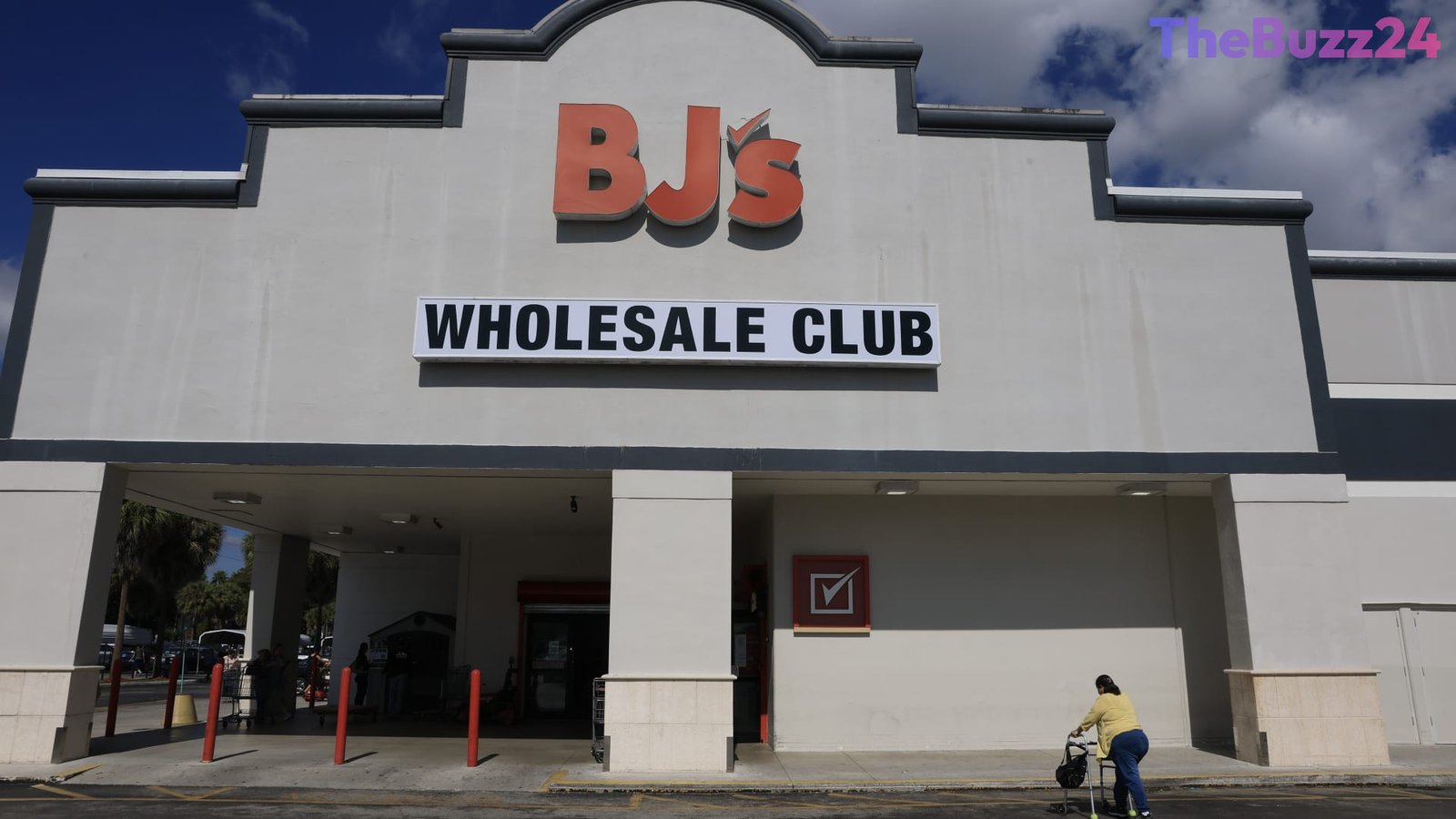
A significant trend is emerging across the retail sector, with major players like Dollar General, BJ’s Wholesale Club, Lululemon, and Under Armour actively reducing their product assortments. This strategic move is primarily driven by a concerted effort to enhance profitability and optimize operations amidst a challenging economic landscape characterized by cautious consumer spending and inflationary pressures.
Companies are implementing substantial cuts to their stock keeping units (SKUs). Dollar General, for instance, has trimmed 1,500 SKUs, while Under Armour has reduced its offerings by 25% over recent years, with plans for an additional 25% cut. BJ’s Wholesale Club aims to decrease its SKUs by approximately 20%, and Lululemon has already cut 15% of its North American SKUs. This approach is designed to stabilize sales, mitigate the risk of accumulating unwanted inventory, and reduce the necessity for deep discounting, which can significantly erode profit margins.
The rationale behind these reductions varies slightly across different retail segments. For apparel brands such as Under Armour and Lululemon, the emphasis is on quality over sheer quantity. The goal is to regain pricing power, strengthen brand perception, and prevent dilution that can occur from over-saturation or excessive promotional activities. Conversely, for large-format and discount retailers like Dollar General and BJ’s, the focus is more on optimizing inventory management, refining shelf space utilization, and curating offerings to enhance operational efficiency and the overall customer experience. This can also create opportunities to introduce new, more relevant product categories.
Despite the potential for long-term benefits, this strategy is not without its challenges. Retailers face the inherent risk of alienating customers who value extensive variety, and they must navigate investor expectations during periods where short-term revenue might contract. However, many industry observers view this ‘shrink to grow’ approach as a necessary and prudent step for businesses aiming to build more resilient and financially robust operations in the evolving retail environment.
Key Takeaways
- Major retailers are significantly reducing product assortments (SKUs) to enhance profitability and operational efficiency.
- The strategy aims to combat reduced consumer spending, manage inventory, and regain pricing power by focusing on core, high-demand products.
- While posing short-term risks like potential customer loss and revenue dips, this 'shrink to grow' approach is viewed as a long-term strategy for business stabilization and brand strength.
Editor’s Analysis & Impact
The widespread adoption of SKU rationalization by major retailers signals a fundamental shift in strategy, prioritizing profitability and operational efficiency over sheer sales volume. In the short term, this could lead to revenue dips and potential customer churn for some brands, impacting quarterly earnings. However, the long-term outlook suggests improved margins, reduced inventory holding costs, and a stronger brand identity for companies that successfully execute this strategy. The broader implications include a more curated retail landscape, where consumers might find less variety but potentially higher quality or more targeted offerings. This trend will also intensify competition among remaining product lines and place greater emphasis on supply chain optimization and data-driven merchandising decisions.
Frequently Asked Questions
Q: Why are retailers cutting down on product assortments?
A: Retailers are reducing product assortments primarily to boost profitability, manage inventory more effectively, and regain pricing power. This strategy also helps them respond to cautious consumer spending and avoid excessive discounting.
Q: What are the potential risks for retailers adopting this strategy?
A: The main risks include potentially losing customers who seek a wider variety of products, and facing short-term revenue shrinkage which can be challenging to explain to investors.
Q: How does this strategy differ for apparel brands versus general merchandise retailers?
A: For apparel brands like Lululemon and Under Armour, it's about focusing on core products to enhance brand value and avoid dilution. For general merchandise retailers like Dollar General and BJ's, it's more about optimizing shelf space, improving inventory management, and curating offerings to streamline operations and potentially introduce new product categories.
AI Disclosure: This article is based on verified data and official reports. Our Team and AI have cross-referenced every financial detail with primary sources to ensure total accuracy.
More from this Category