The Collectibles Boom: Trading Cards Evolve into a Multi-Billion Dollar Investment Frontier
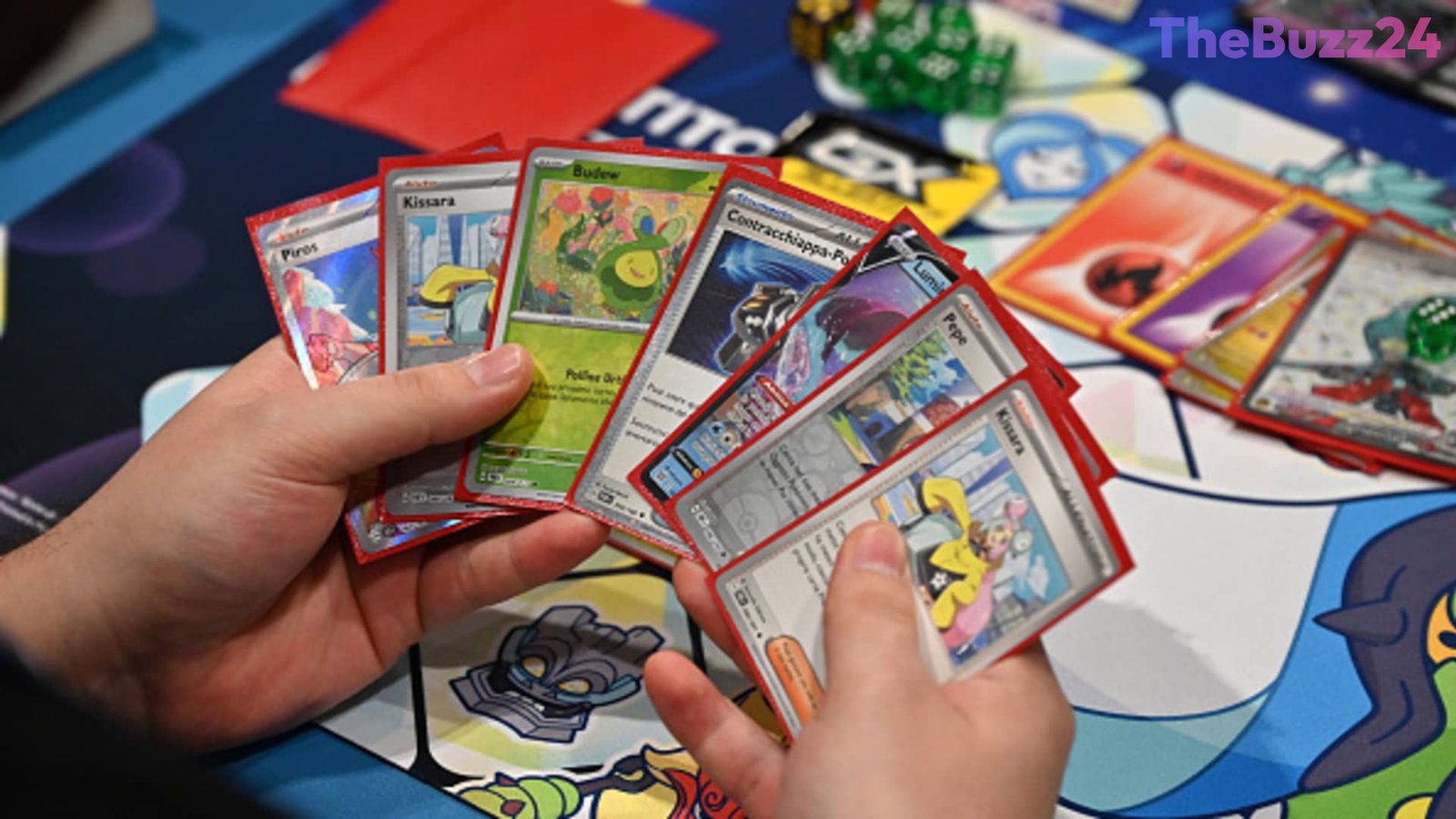
The world of trading cards is experiencing an unprecedented surge, transforming from a nostalgic hobby into a significant investment asset class. While sports cards have long held a place in collectors’ hearts, competitive trading card games (TCGs) like Pokémon, Magic: The Gathering, and Yu-Gi-Oh!, alongside diverse non-sports cards, are now commanding record-breaking valuations and attracting a new wave of investors.
Illustrating this dramatic shift, a rare 1998 Pikachu Illustrator Pokémon card recently sold for an astonishing $16.5 million, eclipsing even the $12.6 million fetched by a legendary 1952 Topps Mickey Mantle baseball card. This highlights how TCGs and non-sports cards, depicting everything from historical events to iconic fictional characters like Spider-Man and Luke Skywalker, are increasingly seen as enticing investment opportunities. Online marketplaces like eBay report TCGs as their fastest-growing category, with Pokémon being the most searched term in their collectibles environment. Auction houses, such as Heritage Auctions, have seen their dedicated TCG departments grow into multi-million dollar segments, further solidifying the market’s expansion.
Determining a card’s value hinges on several critical factors: authenticity, physical condition (often graded by services like PSA on a 1-10 scale), the total graded population (scarcity), liquidity, and verified transaction history. PSA, a leading grading service, has seen an explosion in demand, grading over 19 million cards in 2025, with TCGs alone accounting for 50% of its current business. This growth has prompted significant investment in infrastructure and personnel to meet the escalating volume. The market’s allure is partly driven by the high prices in the sports card sector, pushing collectors and investors towards the more accessible, yet still highly valuable, non-sports and TCG alternatives, often fueled by a blend of nostalgia and speculative interest.
However, this booming market is not without its risks. A significant concern is the alarming rise in counterfeit cards, particularly within the Pokémon category, which saw a 125% increase in flagged fakes last year. Given the absence of regulatory guardrails akin to traditional financial markets, buyers and sellers bear the full responsibility for due diligence. Experts advise thorough research using online price guides and population data to understand scarcity and transaction history. The consensus among seasoned collectors and dealers is to invest in the highest quality cards one can afford, rather than speculating broadly, to mitigate potential losses in this dynamic and largely unregulated collectible landscape.
Key Takeaways
- The trading card market, especially for TCGs like Pokémon and non-sports cards, is experiencing unprecedented growth and record-breaking sales, attracting significant investor interest.
- Authenticity, physical condition, graded population, and verified transaction history are critical factors determining a card's value, with professional grading services like PSA playing a pivotal role.
- The market faces challenges such as a surge in counterfeit cards, particularly Pokémon, underscoring the necessity for thorough due diligence and authentication for both buyers and sellers.
Editor’s Analysis & Impact
The explosive growth in the trading card market signifies a broader trend of alternative asset classes gaining mainstream appeal. This shift, driven by both nostalgic collectors and new investors seeking diversification, is transforming how value is perceived beyond traditional equities. The market’s future outlook suggests continued expansion, fueled by technological advancements in authentication and online trading platforms. However, the lack of regulatory oversight presents inherent risks, particularly concerning counterfeiting and market manipulation. The industry’s ability to maintain trust through robust authentication services and transparent transaction data will be crucial for sustained growth and for solidifying trading cards as a legitimate, albeit speculative, investment vehicle.
Frequently Asked Questions
Q: What factors primarily influence the value of a trading card?
A: A card's value is primarily influenced by its authenticity, physical condition (often graded on a scale like PSA's 1-10), its total graded population (indicating scarcity), liquidity, and its verified transaction history in the market.
Q: Why are non-sports and TCGs gaining so much attention from investors?
A: Non-sports and TCGs are attracting investor attention due to the high prices in the traditional sports card market, pushing collectors towards these alternatives. They offer both strong nostalgic appeal and significant investment potential, as evidenced by recent record-breaking sales.
Q: What is the biggest risk for collectors in this booming market?
A: The primary risk for collectors is the increasing prevalence of counterfeit cards, especially within the Pokémon category. Buyers and sellers must prioritize professional authentication and conduct thorough price research to mitigate this significant risk in an unregulated market.
AI Disclosure: This article is based on verified data and official reports. Our Team and AI have cross-referenced every financial detail with primary sources to ensure total accuracy.
More from this Category