US Government Halts Green Card Sponsorship for Tech Giants Amidst Foreign Worker Debate
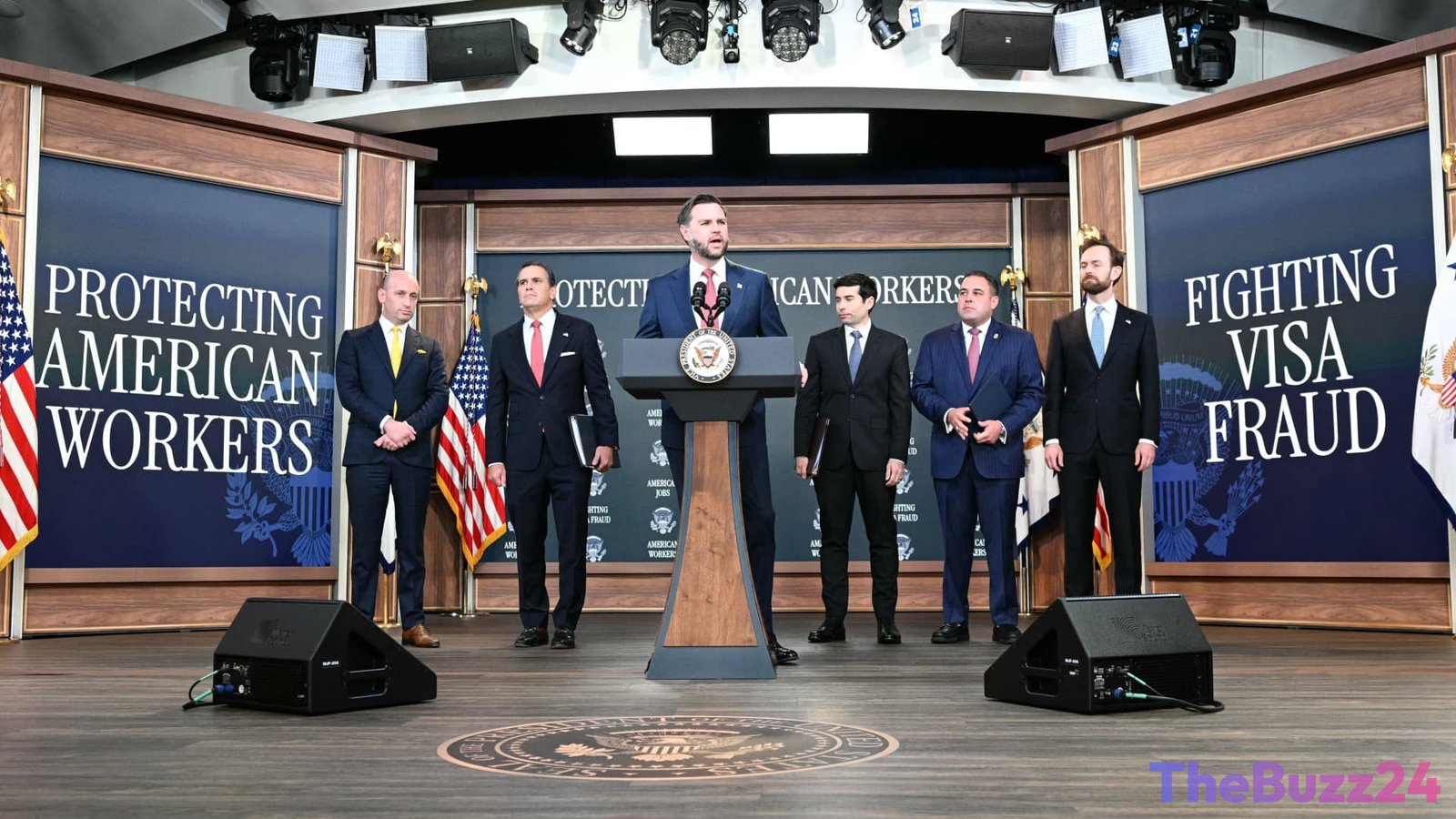
The Trump administration recently announced the suspension of eight technology and IT services firms, including prominent names like Microsoft and Adobe, from the Department of Labor’s PERM program. This program facilitates employers in sponsoring foreign workers for green cards, granting them permanent residency. The move comes amidst heightened scrutiny of immigration policies and their impact on the American workforce.
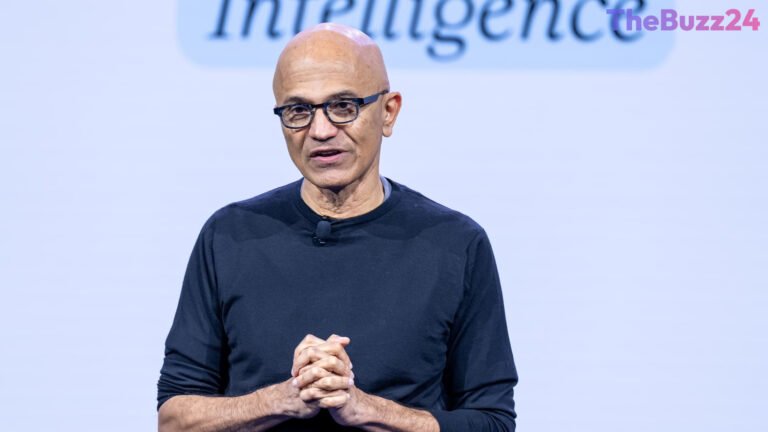
Vice President JD Vance specifically targeted Microsoft, alleging that the tech giant replaced approximately 6,000 laid-off American employees with foreign hires utilizing H-1B temporary work visas. While the PERM suspension does not directly impact H-1B visas, data from the U.S. Citizenship and Immigration Services (USCIS) H-1B Employer Data Hub provides insight into companies’ reliance on foreign talent. This data reveals that a significant two-thirds of Microsoft’s H-1B approvals last year were granted to individuals already employed by the company, suggesting a focus on retaining existing foreign talent rather than solely bringing in new hires.
Interestingly, the nation’s two largest sponsors of H-1B work visas, Amazon and Meta, were not included in the suspension list, despite Amazon receiving nearly four times as many new H-1B workers as Microsoft in the same period. The administration’s crackdown extended beyond the tech sector, with the Labor Department’s inspector general also announcing an investigation into alleged J-1 visa fraud involving nine major American universities. These actions underscore a long-standing argument among some policymakers and the public that such visa programs may inadvertently disadvantage American workers by incentivizing companies to seek talent from abroad.
Key Takeaways
- The Trump administration suspended eight tech and IT firms, including Microsoft and Adobe, from the PERM green card sponsorship program.
- Vice President JD Vance accused Microsoft of replacing laid-off American workers with H-1B visa holders, though data shows most of Microsoft's H-1B approvals were for existing employees.
- Top H-1B sponsors like Amazon and Meta were not suspended, and a separate investigation into J-1 visa fraud at universities was also announced.
Editor’s Analysis & Impact
This move by the Trump administration signals a continued focus on tightening immigration policies, particularly concerning skilled foreign workers in the tech sector. While the immediate impact of the PERM suspension on companies like Microsoft and Adobe might be limited given its focus on green cards rather than temporary H-1B visas, it creates an environment of uncertainty for talent acquisition strategies. The differing treatment of major H-1B sponsors like Amazon and Meta, who were not suspended, suggests a nuanced approach or perhaps specific triggers for the suspensions. This policy direction could compel tech companies to re-evaluate their reliance on foreign talent and potentially increase domestic hiring efforts, impacting labor markets and innovation pipelines. The broader implication is a potential shift in how U.S. tech companies source and retain talent, possibly leading to increased costs or delays in filling specialized roles.
Frequently Asked Questions
Q: What is the PERM program?
A: The PERM (Program Electronic Review Management) program is a U.S. Department of Labor initiative that allows employers to sponsor foreign workers for permanent residency (green cards) after demonstrating that there are no qualified U.S. workers available for the position.
Q: How do H-1B visas differ from the PERM program?
A: H-1B visas are temporary, non-immigrant visas that allow U.S. employers to temporarily employ foreign workers in specialty occupations. The PERM program, on the other hand, is a step towards obtaining a permanent residency (green card) for a foreign worker.
Q: Why were Amazon and Meta not suspended despite being top H-1B sponsors?
A: The article does not specify the exact criteria for the suspensions, but it highlights that Amazon and Meta, despite being the largest H-1B sponsors, were not included in the list of suspended companies. This suggests the suspensions might be based on specific allegations or compliance issues rather than just the volume of H-1B sponsorships.
AI Disclosure: This article is based on verified data and official reports. Our Team and AI have cross-referenced every financial detail with primary sources to ensure total accuracy.
More from this Category