Fatal Confrontation Near White House Perimeter Sparks Security Review
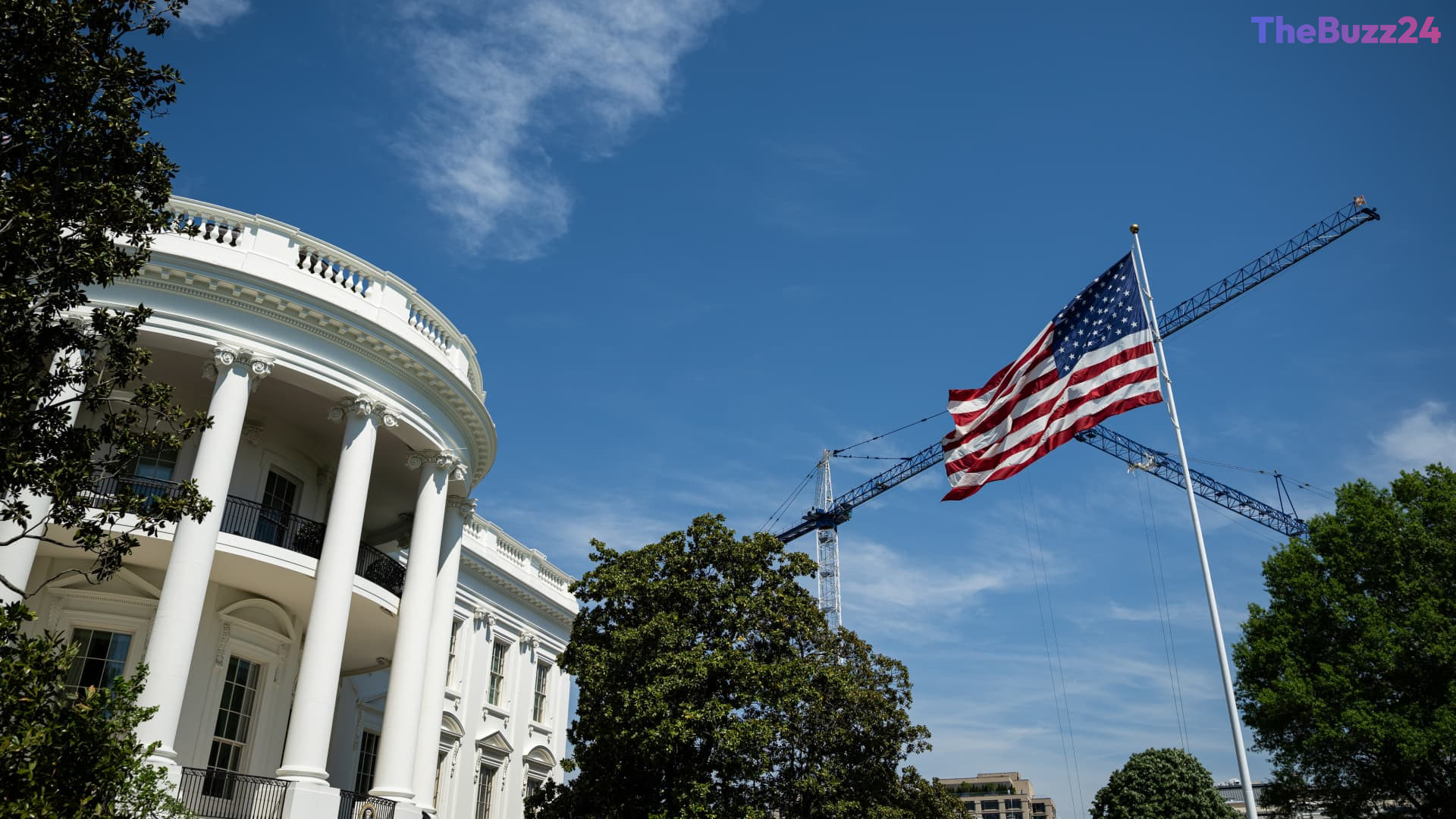
A violent encounter unfolded on Saturday evening near the White House, resulting in the death of a 21-year-old man following an exchange of gunfire with federal agents. The incident occurred around 6 p.m. ET at the intersection of 17th Street and Pennsylvania Avenue, a high-security zone bordering the presidential complex. Authorities identified the deceased as Nasire Best, who reportedly brandished a weapon from a bag, triggering an immediate engagement from Secret Service personnel stationed at the checkpoint.
During the exchange, the suspect was struck by return fire and was later declared dead after being transported to a local medical facility. A bystander was also injured during the altercation; investigators are currently performing forensic analysis to ascertain whether the wound was caused by the suspect’s firearm or by responding officers. No Secret Service agents sustained injuries during the event, and officials confirmed that President Donald Trump was inside the White House throughout the incident and remained secure.
Following the shooting, the area was placed under lockdown as federal investigators processed the scene, collected evidence, and reviewed surveillance footage. This event marks the third shooting incident in the vicinity of the presidential residence within the last month, raising concerns regarding the frequency of security disturbances in the nation’s capital. Law enforcement agencies are continuing their investigation to determine the suspect’s motive and to assess the effectiveness of current perimeter security measures.
Key Takeaways
- A 21-year-old suspect was fatally shot by Secret Service agents after brandishing a weapon near the White House.
- A bystander was wounded during the exchange, with forensic teams currently investigating the source of the gunfire.
- President Donald Trump was inside the White House during the incident and was never in direct danger.
Editor’s Analysis & Impact
The recurring nature of security incidents near the White House underscores the persistent challenges faced by the Secret Service in balancing public accessibility with the protection of high-profile government officials. While this specific event was contained rapidly, the fact that it marks the third such occurrence in a single month suggests a potential shift in the threat landscape or a heightened level of volatility in the capital. From an industry perspective, this will likely trigger a comprehensive review of perimeter security protocols, potentially leading to increased restrictions on pedestrian traffic and the deployment of more advanced surveillance technology. The broader implication is a tightening of security posture in Washington D.C., which may impact public access to historic landmarks and influence future federal budget allocations for protective services and tactical training.
Frequently Asked Questions
Q: Was the President in danger during the shooting?
A: No, officials confirmed that President Donald Trump was inside the White House at the time and was not directly impacted by the threat.
Q: What is the status of the bystander injured in the incident?
A: A bystander was struck by gunfire, but investigators are still working to determine whether the injury was caused by the suspect or by responding law enforcement officers.
AI Disclosure: This article is based on verified data and official reports. Our Team and AI have cross-referenced every financial detail with primary sources to ensure total accuracy.
More from this Category