Crude Oil Prices Dip Amid Renewed Diplomatic Hopes for Strait of Hormuz
Global crude oil markets saw a significant correction on Sunday, with prices tumbling by roughly 5% as investors reacted to promising developments in diplomatic talks between the United States and Iran. West Texas Intermediate (WTI) futures retreated to $91.65 per barrel, while Brent crude, the international benchmark, slid to $98.30 per barrel. This downward movement reflects growing market optimism that a resolution to the geopolitical standoff in the Middle East may finally be within reach.
Recent updates from the U.S. administration suggest that negotiations regarding the reopening of the Strait of Hormuz are progressing constructively. Despite the positive tone, officials have maintained a cautious stance, indicating that they are in no hurry to finalize a deal. The administration emphasized that the current blockade of Iranian ports and vessels will persist until a formal, certified agreement is signed, ensuring that pressure remains on the table while talks continue.
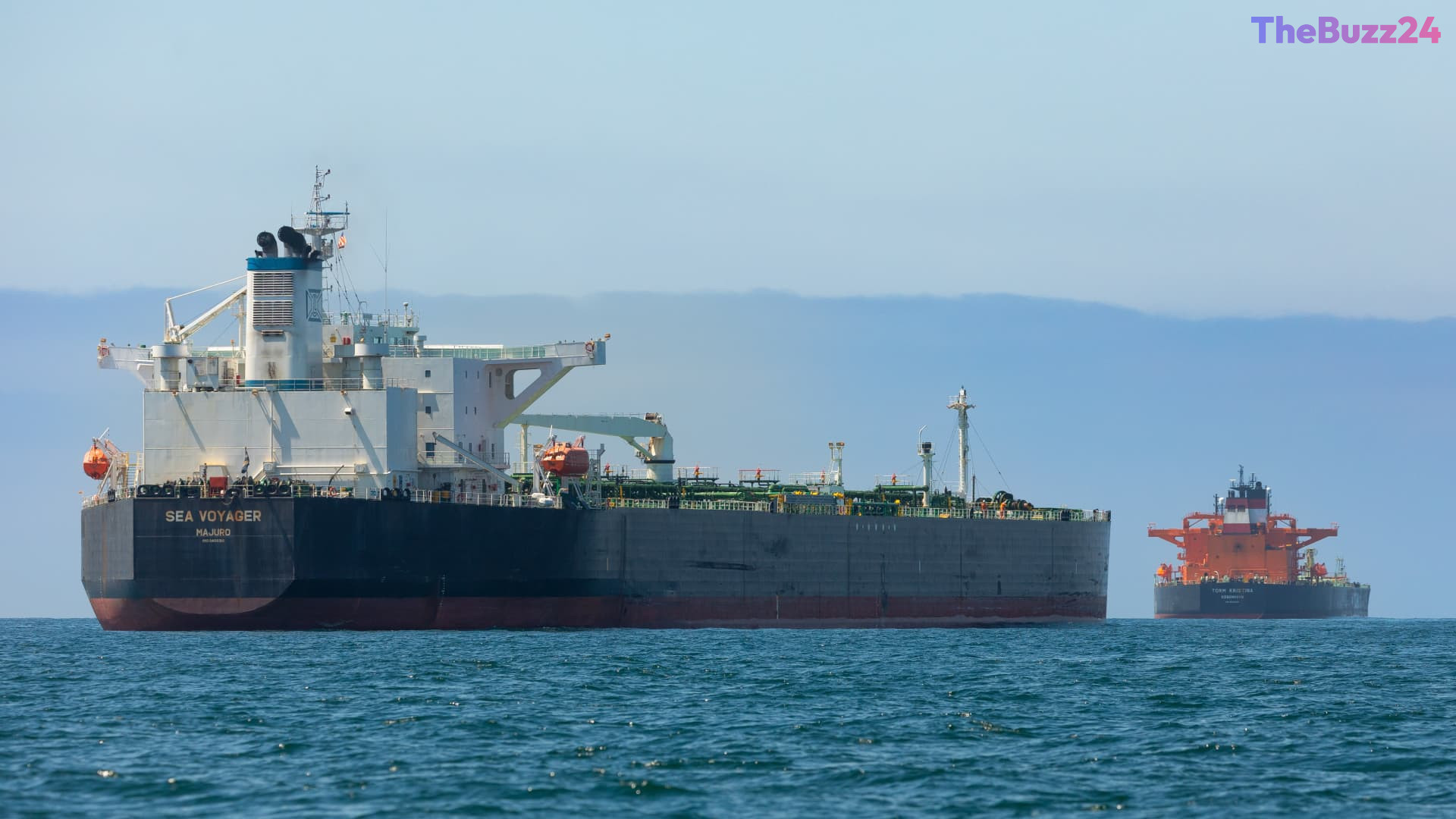
The Strait of Hormuz remains a vital chokepoint for the global energy economy, historically accounting for approximately 20% of the world’s oil transit. The region has been a source of extreme volatility since late February, when a de facto blockade triggered one of the most severe supply disruptions in modern history. While past diplomatic efforts have frequently been derailed by sudden escalations, the current market response underscores a cautious hope among traders that a path toward long-term stability is emerging.
Key Takeaways
- Crude oil prices fell by approximately 5% following reports of constructive diplomatic progress between the U.S. and Iran.
- The U.S. administration confirmed that the blockade of Iranian ports will remain in effect until a formal, certified agreement is reached.
- The Strait of Hormuz is a critical global energy artery, and its potential reopening is viewed as a major factor for stabilizing oil supply chains.
Editor’s Analysis & Impact
The recent dip in oil prices highlights the extreme sensitivity of global energy markets to geopolitical developments in the Strait of Hormuz. For months, the blockade has acted as a ‘risk premium’ on every barrel of oil, keeping prices artificially inflated due to supply chain fears. While the current diplomatic progress is encouraging, the market remains fragile; any breakdown in negotiations or renewed military posturing could quickly reverse these gains. Looking ahead, the stabilization of this region is essential for global inflation control and energy security. Investors should expect continued volatility as the market waits for concrete, verifiable milestones rather than just optimistic rhetoric. If a deal is successfully finalized, we could see a sustained downward trend in energy costs, providing much-needed relief to global manufacturing and transportation sectors.
Frequently Asked Questions
Q: Why does the Strait of Hormuz impact global oil prices?
A: The Strait of Hormuz is a narrow waterway that serves as a critical transit point for roughly 20% of the world's total oil supply. Any disruption or blockade in this area restricts the flow of oil, leading to supply shortages and price spikes.
Q: Will the blockade be lifted immediately due to the current talks?
A: No. The U.S. administration has stated that the blockade will remain in full effect until a formal, certified agreement is finalized, indicating that they are prioritizing a comprehensive deal over a quick resolution.
AI Disclosure: This article is based on verified data and official reports. Our Team and AI have cross-referenced every financial detail with primary sources to ensure total accuracy.
More from this Category