Navigating the Energy Transition: Solar Opportunities and Nuclear Realities
The energy sector is currently navigating a complex landscape defined by shifting geopolitical tensions, evolving government policies, and a rapid transition toward renewable sources. While oil prices have remained relatively stable despite international conflicts, the broader market is increasingly focused on the long-term economic advantages of energy abundance. In the United States, lower electricity costs compared to Europe have provided a significant competitive edge, fueling economic growth and highlighting the risks of over-reliance on energy imports.
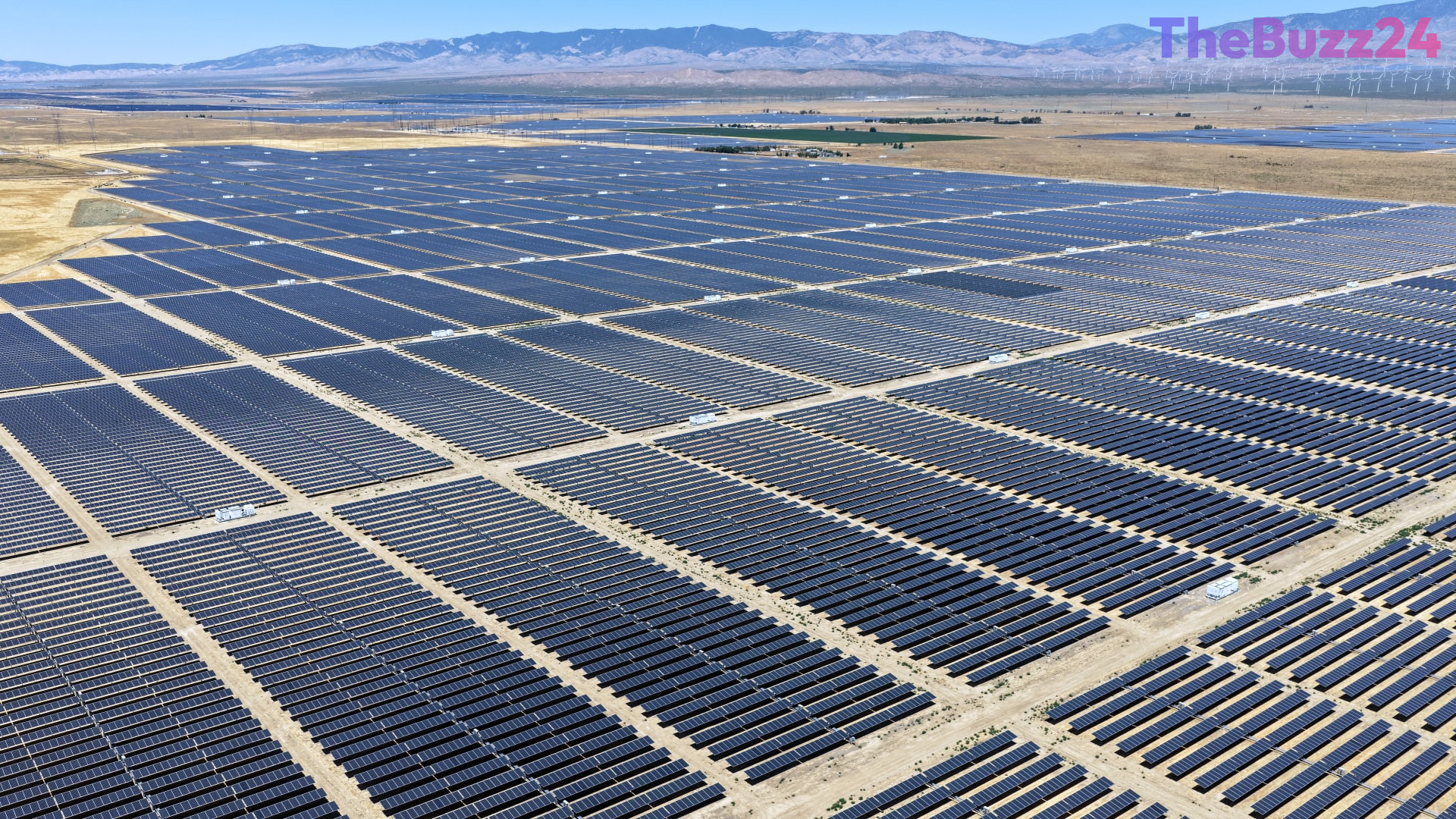
Within the renewable sector, solar energy continues to be a dominant force, accounting for a substantial portion of new electrical capacity added to the grid. Despite recent volatility in shares of major players like First Solar, analysts suggest that current valuations may present an attractive entry point for investors. However, the sector remains highly sensitive to upcoming regulatory decisions, particularly regarding Section 232 trade policies, which could introduce new tariffs or quotas on critical supply chain components.
Meanwhile, the nuclear energy industry is undergoing a strategic reassessment. While small modular reactors (SMRs) have garnered significant attention as a future-facing technology, some market observers argue that the immediate investment opportunities lie in existing nuclear infrastructure. Companies such as Constellation Energy, Vistra, and Cameco are currently positioned as primary beneficiaries of large-scale restart projects. As the industry balances the promise of new technology with the necessity of reliable, existing power, the focus remains on achieving permitting reform and maintaining a consistent supply of energy to meet rising demand.
Key Takeaways
- Renewable energy, led by solar and storage, now accounts for approximately 90% of all new electrical capacity added to the grid.
- Investors in solar stocks should closely monitor upcoming Commerce Department rulings on Section 232 tariffs, which could significantly impact market valuations.
- Market analysts suggest that near-term growth in the nuclear sector is more likely to come from existing infrastructure and restart projects rather than unproven small modular reactor technology.
Editor’s Analysis & Impact
The energy sector is currently at a critical juncture where macroeconomic stability meets industrial transformation. The divergence between U.S. and European energy costs underscores the importance of domestic energy independence as a driver of GDP growth. Looking ahead, the market is shifting away from speculative ‘next-big-thing’ technologies toward companies that can provide immediate, scalable power solutions. The reliance on existing nuclear assets and the aggressive buildout of solar capacity suggest that the energy transition is moving from a phase of conceptual development to one of operational execution. Investors should remain cautious of policy-driven volatility, particularly in trade-sensitive sectors like solar, while favoring companies with established infrastructure and clear paths to regulatory compliance.
Frequently Asked Questions
Q: Why are solar stocks sensitive to Section 232 rulings?
A: Section 232 allows the U.S. government to impose tariffs or quotas on imported materials deemed critical to national security. A ruling could lead to new fees on solar supply chain components, directly affecting the production costs and profitability of solar companies.
Q: Why do some analysts prefer existing nuclear plants over small modular reactors (SMRs)?
A: While SMRs are viewed as a long-term innovation, analysts argue that existing nuclear plants offer immediate, reliable capacity that can be brought back online or expanded more quickly to meet current grid demands.
AI Disclosure: This article is based on verified data and official reports. Our Team and AI have cross-referenced every financial detail with primary sources to ensure total accuracy.
More from this Category