U.S. Military Strikes Iranian Targets Amid High-Stakes Diplomatic Push
U.S. Central Command executed a series of targeted defensive strikes in southern Iran early Tuesday, focusing on missile launch facilities and naval assets deemed a direct threat to American military personnel. Officials characterized the operation as a calculated measure to ensure the safety of troops while attempting to preserve the integrity of ongoing ceasefire efforts. This latest military engagement occurs against a backdrop of persistent regional friction, including recent maritime incidents and skirmishes within the Strait of Hormuz.
Parallel to these military maneuvers, President Donald Trump is engaged in high-level diplomatic negotiations aimed at securing a comprehensive peace agreement with Tehran. While the administration has characterized these discussions as promising, the President has issued a stern warning that any potential deal must be fully realized to avoid a significant escalation in hostilities. These efforts are part of a broader foreign policy strategy that includes the expansion of the Abraham Accords, an initiative designed to normalize relations between Israel and various Arab nations, despite notable opposition from regional actors such as Pakistan.
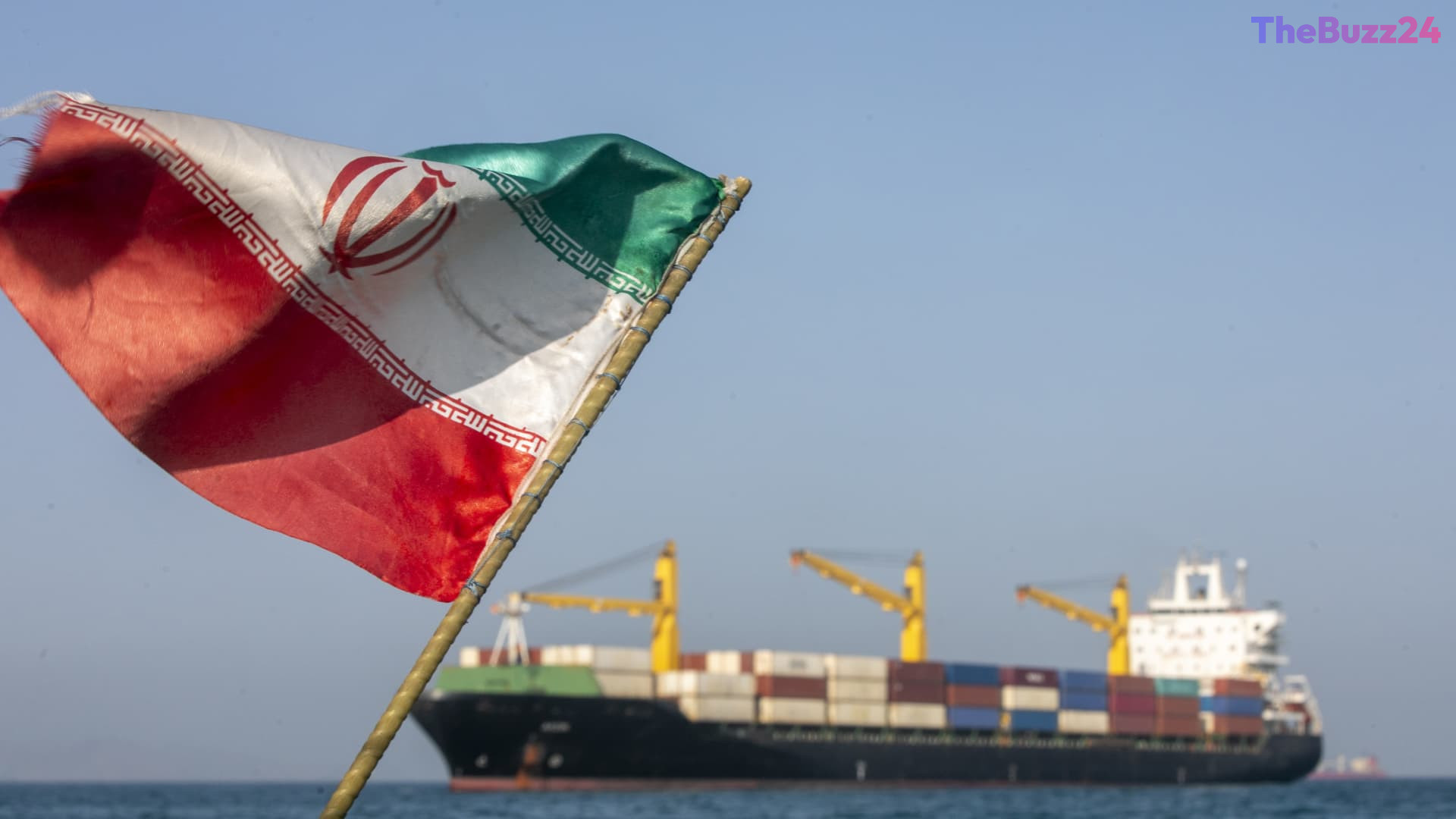
Global markets have responded to the geopolitical volatility with caution, as investors struggle to balance the prospect of a diplomatic breakthrough against the ongoing reality of military instability. Oil prices have fluctuated as the market assesses the potential for supply chain disruptions in the Strait of Hormuz. Secretary of State Marco Rubio has underscored the strategic imperative of maintaining open maritime corridors, reaffirming that the U.S. remains committed to taking decisive action to protect international shipping lanes and regional stability.
Key Takeaways
- U.S. Central Command conducted defensive strikes against Iranian missile and naval assets to protect American personnel.
- President Trump is pursuing a comprehensive peace deal with Tehran while simultaneously pushing for the expansion of the Abraham Accords.
- Geopolitical tensions continue to drive volatility in global oil markets, with the security of the Strait of Hormuz remaining a top strategic priority.
Editor’s Analysis & Impact
The current situation represents a delicate balancing act between ‘peace through strength’ diplomacy and the tactical necessity of force projection. By conducting targeted strikes while simultaneously negotiating, the administration is attempting to create leverage, though this strategy carries the inherent risk of miscalculation. The market’s sensitivity to these events highlights the fragility of global energy security, particularly concerning the Strait of Hormuz. If the diplomatic efforts fail to yield a concrete agreement, the region could face a period of prolonged instability that would likely keep energy prices elevated and discourage foreign investment. The success of these negotiations will depend on whether both parties can reconcile their fundamental security requirements without triggering a wider conflict that would have severe global economic repercussions.
Frequently Asked Questions
Q: Why did the U.S. military conduct strikes in Iran?
A: The strikes were described as defensive measures aimed at neutralizing missile launch sites and naval vessels that posed a direct threat to American troops in the region.
Q: How are these military actions affecting the global economy?
A: The ongoing instability has caused volatility in oil prices, as investors remain concerned about the potential for conflict to disrupt shipping and energy transit through the vital Strait of Hormuz.
AI Disclosure: This article is based on verified data and official reports. Our Team and AI have cross-referenced every financial detail with primary sources to ensure total accuracy.
More from this Category