Tensions Surge in the Strait of Hormuz as Tanker Attacks Threaten Global Energy Flows
The strategic stability of the Strait of Hormuz has reached a critical breaking point following a series of targeted attacks on commercial tankers. These incidents, which have prompted a sharp rise in global oil prices, stem from a fundamental ambiguity in a recent U.S.-Iran agreement that failed to clearly define maritime shipping routes. While the deal was intended to facilitate safe passage, it has instead created a volatile environment where competing U.S.-protected and Iranian-controlled corridors overlap, leading to direct confrontations.
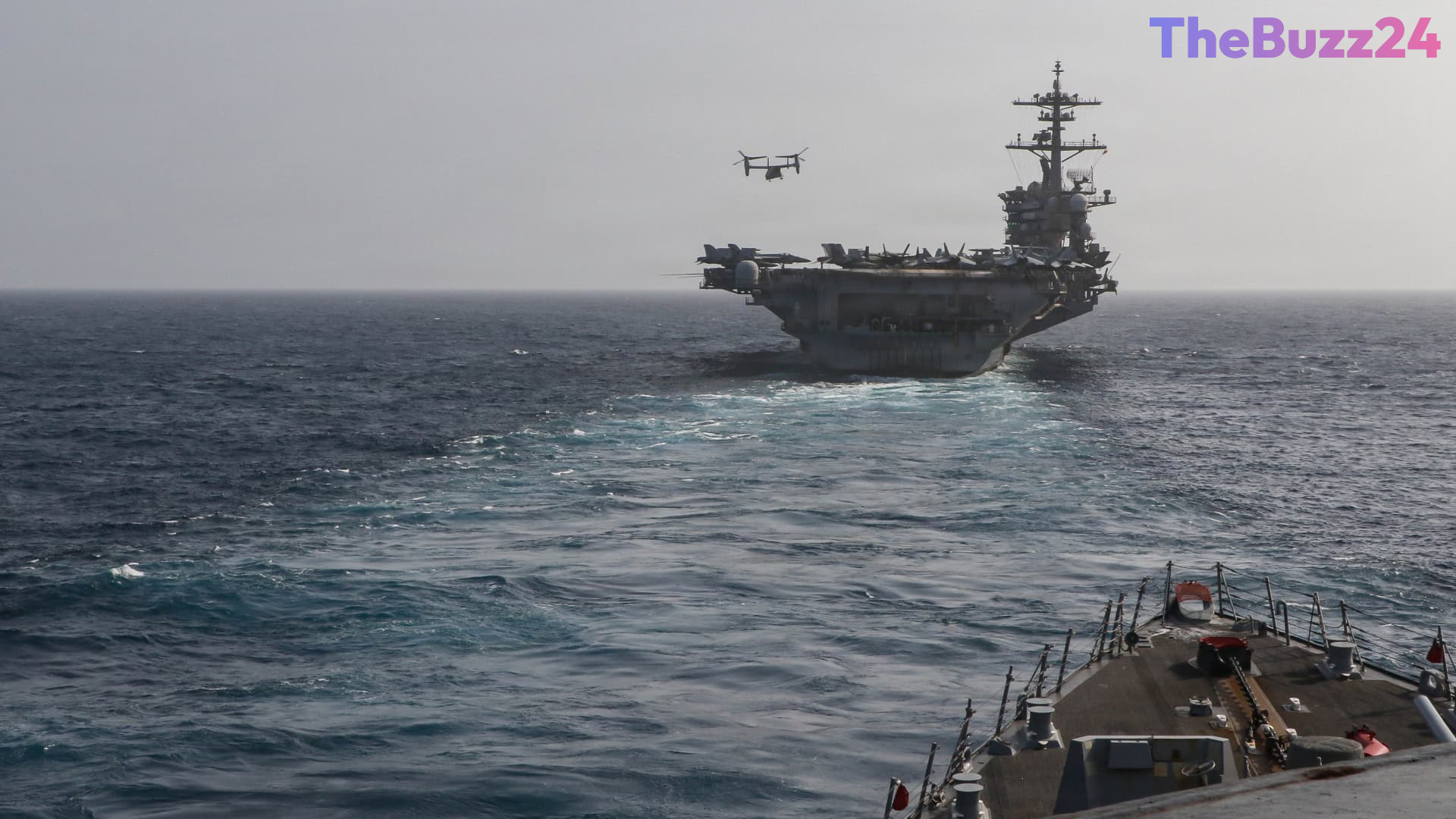
At the heart of the conflict is the southern shipping corridor along the coast of Oman. Supported by U.S. military escorts, this route allows Gulf nations to export oil and gas without seeking authorization from Tehran. Iran, viewing this as an encroachment on its regional influence and a challenge to its leverage, has launched aggressive maneuvers against vessels utilizing these waters. U.S. officials have maintained that the military will ensure the flow of energy remains uninterrupted, regardless of the status of the current diplomatic framework.
Experts suggest that Iran’s recent actions are a calculated attempt to force commercial traffic back into northern routes under its direct oversight. However, this strategy has backfired by drawing the U.S. closer to re-imposing a full naval blockade and reinstating strict oil sanctions. As both nations trade strikes and accusations of treaty violations, the international community remains concerned that the ongoing instability could permanently alter energy transit patterns and set a dangerous precedent for other global maritime choke points.
Key Takeaways
- Ambiguity in the U.S.-Iran maritime agreement regarding specific shipping routes has led to renewed military friction and tanker attacks.
- Iran is actively targeting vessels in the U.S.-protected southern corridor to regain control over regional energy transit and exert political leverage.
- The U.S. is considering a full naval blockade and renewed sanctions, while global oil prices have spiked by over 4% in response to the escalating hostilities.
Editor’s Analysis & Impact
The current escalation in the Strait of Hormuz represents a significant failure of diplomatic ‘punt’ tactics, where vague language in a memorandum of understanding has led to a kinetic conflict. From a market perspective, the volatility is being tempered by the fact that current oil prices remain well below wartime highs; however, the potential for a full U.S. naval blockade poses a severe risk to global supply chains. If Iran continues to successfully disrupt the southern corridor, it may inadvertently accelerate the long-term shift toward alternative infrastructure, such as pipelines across Saudi Arabia and the UAE, effectively diminishing Iran’s future strategic relevance. The broader implication is a test of international maritime law: if Iran succeeds in imposing its will, it could embolden other nations to challenge transit rights in critical global chokepoints like the Strait of Malacca.
Frequently Asked Questions
Q: Why are tankers being attacked in the Strait of Hormuz?
A: The attacks are part of an Iranian effort to force commercial vessels to use northern shipping routes under its control, rather than the U.S.-protected southern corridor, thereby maintaining its regional leverage.
Q: How is the U.S. responding to the recent tanker attacks?
A: The U.S. has responded by reinstating oil sanctions, threatening to reimpose a full naval blockade, and maintaining a military presence to escort tankers through the disputed southern corridor.
AI Disclosure: This article is based on verified data and official reports. Our Team and AI have cross-referenced every financial detail with primary sources to ensure total accuracy.
More from this Category