The Charleston Roots: Uncovering the True Origins of Memorial Day
While Memorial Day is widely recognized today as a federal holiday marked by parades and the unofficial start of summer, its origins are deeply rooted in the somber aftermath of the American Civil War. Following the loss of nearly 700,000 lives, the nation began the arduous process of memorializing the fallen. Among the various claims to the holiday’s birthplace, historical records highlight a significant and poignant ceremony held in Charleston, South Carolina, in May 1865.
Shortly after the cessation of hostilities, the site of the former Washington Race Course and Jockey Club—which had functioned as a prison camp during the war—became the focal point of a massive commemorative event. Approximately 10,000 people, including freedmen, educators, and soldiers, gathered to honor 257 Union soldiers who had been recovered from mass graves and provided with proper burials. The procession, characterized by floral tributes, choral music, and solemn readings, established a powerful precedent for what would eventually evolve into the national tradition of Decoration Day.
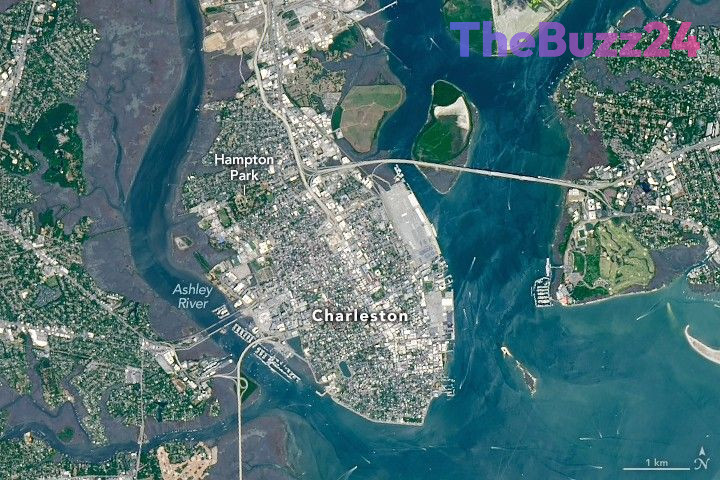
Today, the historical significance of this site remains preserved within the geography of Charleston’s Hampton Park. Modern satellite technology, including data from the Landsat 9 mission, has allowed researchers to identify the faint, enduring outlines of the original racetrack, bridging the gap between contemporary urban landscapes and the grassroots origins of the holiday. Although other locations, such as Waterloo, New York, maintain recognized historical claims, the Charleston ceremony serves as a vital testament to the immediate, collective need for remembrance that defined the post-Civil War era before the holiday was formally standardized by the Uniform Monday Holiday Act in 1968.
Key Takeaways
- Memorial Day's origins trace back to a 1865 ceremony in Charleston, South Carolina, honoring Union soldiers buried in mass graves.
- The event at the former Washington Race Course involved 10,000 participants, including freedmen and soldiers, setting a precedent for Decoration Day.
- Modern satellite imagery has confirmed the location of the historic racetrack, which is now integrated into Charleston's Hampton Park.
Editor’s Analysis & Impact
The history of Memorial Day serves as a compelling case study in how national traditions often emerge from localized, grassroots efforts rather than top-down government mandates. By examining the Charleston origins, we gain insight into the immediate social necessity for reconciliation and mourning following the Civil War. The use of modern technology, such as Landsat 9, to map historical sites demonstrates how science and history intersect to preserve cultural heritage. As the nation continues to observe this holiday, understanding its diverse and complex roots fosters a more nuanced appreciation for the sacrifices made throughout American history. The ongoing debate regarding the ‘true’ birthplace of the holiday highlights the importance of regional narratives in shaping the broader American identity.
Frequently Asked Questions
Q: Why is Charleston considered a potential birthplace of Memorial Day?
A: Charleston hosted one of the earliest and largest organized ceremonies in May 1865, where 10,000 people gathered to honor Union soldiers who had been reinterred from mass graves at a former prison camp.
Q: When did Memorial Day become a standardized federal holiday?
A: While the tradition of Decoration Day existed for decades, it was officially moved to the last Monday in May following the passage of the Uniform Monday Holiday Act in 1968.
AI Disclosure: This article is based on verified data and official reports. Our Team and AI have cross-referenced every financial detail with primary sources to ensure total accuracy.
More from this Category