Next-Gen Engineers Unveil Robotic Solutions for Lunar Infrastructure
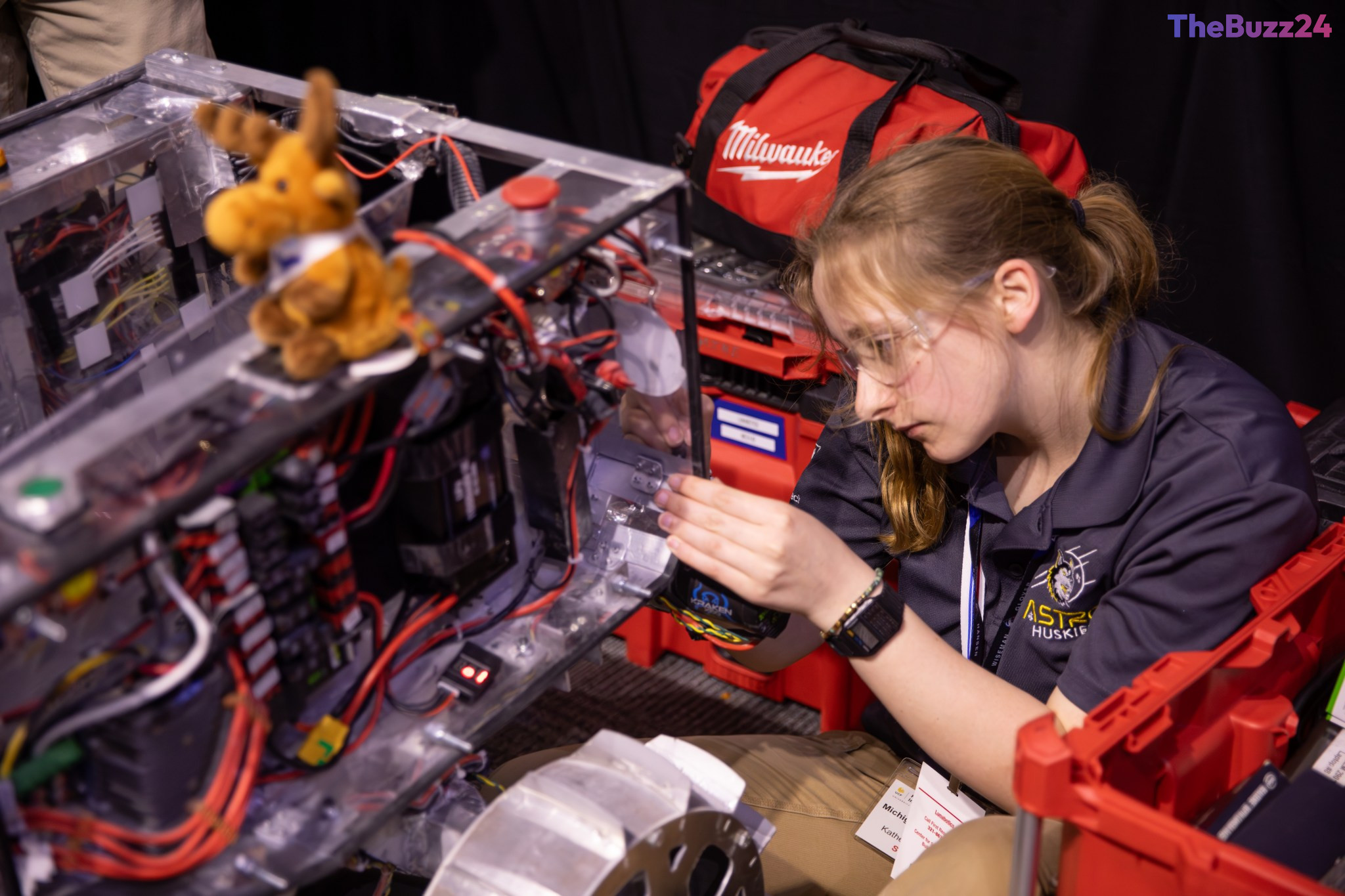
The Kennedy Space Center recently served as the stage for the 2026 Lunabotics Challenge, an event that brought together 47 university teams to showcase advanced robotic prototypes designed for the moon. These student-led projects represent a significant leap in aerospace engineering, focusing on autonomous systems capable of navigating the volatile and abrasive lunar surface. The competition highlights the growing importance of robotics in preparing for long-term human exploration.
Central to the competition was the task of regolith manipulation, specifically the construction of berms using lunar soil. This capability is considered a cornerstone for future Artemis missions, as the ability to build protective infrastructure using in-situ materials is essential for shielding equipment and habitats from the harsh lunar environment. By simulating these extreme conditions, the challenge forces participants to move beyond theoretical models and address the practical, mechanical realities of off-world construction.
Beyond the immediate technical achievements, the event acts as a vital incubator for the aerospace workforce. By applying rigorous systems engineering principles to real-world problems, students are gaining the experience necessary to support the global push toward a sustained human presence on the moon. These innovations provide a glimpse into the future of lunar development, where autonomous robotic systems will likely serve as the primary architects of permanent extraterrestrial bases.
Key Takeaways
- 47 university teams showcased robotic prototypes designed to navigate and build on lunar terrain.
- The competition focused on regolith-based construction, a critical requirement for protecting future lunar habitats.
- The event serves as a practical training ground for students to solve complex engineering challenges related to space exploration.
Editor’s Analysis & Impact
The 2026 Lunabotics Challenge underscores a strategic evolution in how the aerospace sector fosters innovation and talent. By tasking university teams with solving the logistical complexities of lunar colonization, the industry is effectively crowdsourcing high-level engineering solutions. The emphasis on regolith manipulation is particularly vital; utilizing in-situ resources is the most sustainable path toward permanent lunar habitation, significantly reducing the cost and weight of cargo missions. This collaborative model accelerates the development of autonomous construction systems, allowing for rapid iteration and testing of designs that could eventually be scaled for commercial or government-led infrastructure projects. Ultimately, this approach signals a shift toward more agile, modular, and autonomous space exploration strategies that prioritize long-term mission viability.
Frequently Asked Questions
Q: What is the primary goal of the Lunabotics Challenge?
A: The challenge aims to foster innovation in lunar construction by tasking students with designing robots capable of navigating lunar terrain and performing tasks like building regolith-based berms.
Q: Why is regolith construction important for lunar missions?
A: Regolith, or lunar soil, is abundant on the moon. Developing the technology to manipulate it allows astronauts to build protective infrastructure, such as berms, which are necessary for long-term survival and mission success.
AI Disclosure: This article is based on verified data and official reports. Our Team and AI have cross-referenced every financial detail with primary sources to ensure total accuracy.
More from this Category