Oil Markets Retreat as Diplomatic Channels Open with Iran
Global energy markets experienced a sharp correction on Wednesday as investors recalibrated their positions in response to renewed diplomatic overtures between the United States and Iran. West Texas Intermediate futures saw a decline of 4.68%, settling at $89.50 per barrel, while Brent crude followed a similar trajectory, dropping 4.57% to close at $95.03. This downward pressure on prices reflects a market pivot toward optimism following official signals that the administration is prioritizing negotiation over military escalation.
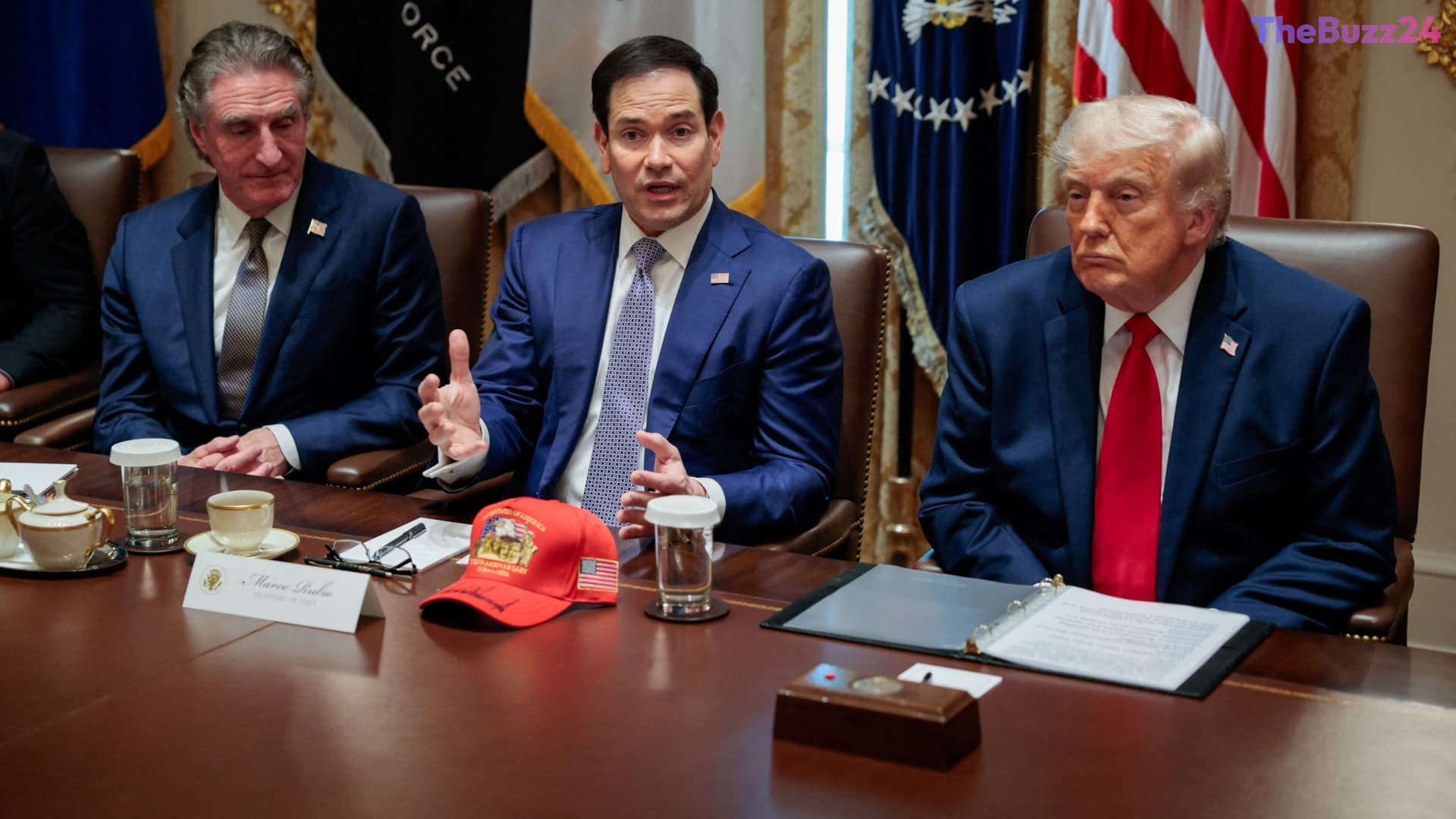
During a recent Cabinet meeting, Secretary of State Marco Rubio emphasized that while diplomatic engagement is the current priority, the U.S. maintains a contingency framework should these talks fail to produce tangible results. President Donald Trump further clarified the administration’s stance on regional security, explicitly stating that the Strait of Hormuz must remain an open international waterway. The White House also moved to quell market speculation by dismissing reports of a secret memorandum concerning the management of this critical shipping corridor.
Despite the cooling of immediate tensions, industry leaders remain cautious regarding the long-term stability of the energy sector. Sultan Ahmed al-Jaber, CEO of the Abu Dhabi National Oil Co., highlighted that the logistical complexities resulting from recent regional instability are significant. He projected that global oil flows may face a prolonged recovery period, potentially not returning to pre-conflict levels until 2027. This outlook suggests that while diplomatic progress may offer temporary relief from volatility, the structural challenges facing global energy infrastructure remain a persistent concern for the market.
Key Takeaways
- Oil prices saw a sharp decline of over 4.5% as markets reacted to renewed diplomatic efforts between the U.S. and Iran.
- The U.S. administration has reaffirmed its commitment to maintaining the Strait of Hormuz as an open international shipping lane.
- Industry experts warn that logistical hurdles could delay the normalization of global oil flows until at least 2027.
Editor’s Analysis & Impact
The recent pullback in oil prices underscores the extreme sensitivity of energy markets to geopolitical developments. While the market has responded favorably to the shift toward diplomacy, the underlying supply chain vulnerabilities remain a significant risk factor for global investors. The projection that full recovery could take until 2027 indicates that the market is accounting for long-term structural damage to energy infrastructure and trade routes. Moving forward, the interplay between U.S. foreign policy and regional stability in the Middle East will continue to be the primary driver of price volatility. Investors should exercise caution, as the transition from conflict to sustainable diplomacy is rarely linear, and any resurgence in regional tensions could quickly reverse these gains, keeping energy costs elevated for the foreseeable future.
Frequently Asked Questions
Q: What triggered the recent decline in oil prices?
A: Oil prices fell as investors reacted to signals from the U.S. government that it is prioritizing diplomatic negotiations with Iran to resolve ongoing regional tensions.
Q: Why is the Strait of Hormuz a focal point in this situation?
A: The Strait of Hormuz is a vital global shipping corridor for oil. The U.S. has insisted that it must remain an open international waterway, rejecting any claims of Iranian control over the passage.
Q: When do industry experts expect oil flows to stabilize?
A: Sultan Ahmed al-Jaber of the Abu Dhabi National Oil Co. has indicated that due to significant logistical challenges, it may take until 2027 for global oil flows to return to pre-conflict levels.
AI Disclosure: This article is based on verified data and official reports. Our Team and AI have cross-referenced every financial detail with primary sources to ensure total accuracy.
More from this Category