China Positions Itself as Global AI Partner, Urges Collaborative Governance Amid Tech Tensions
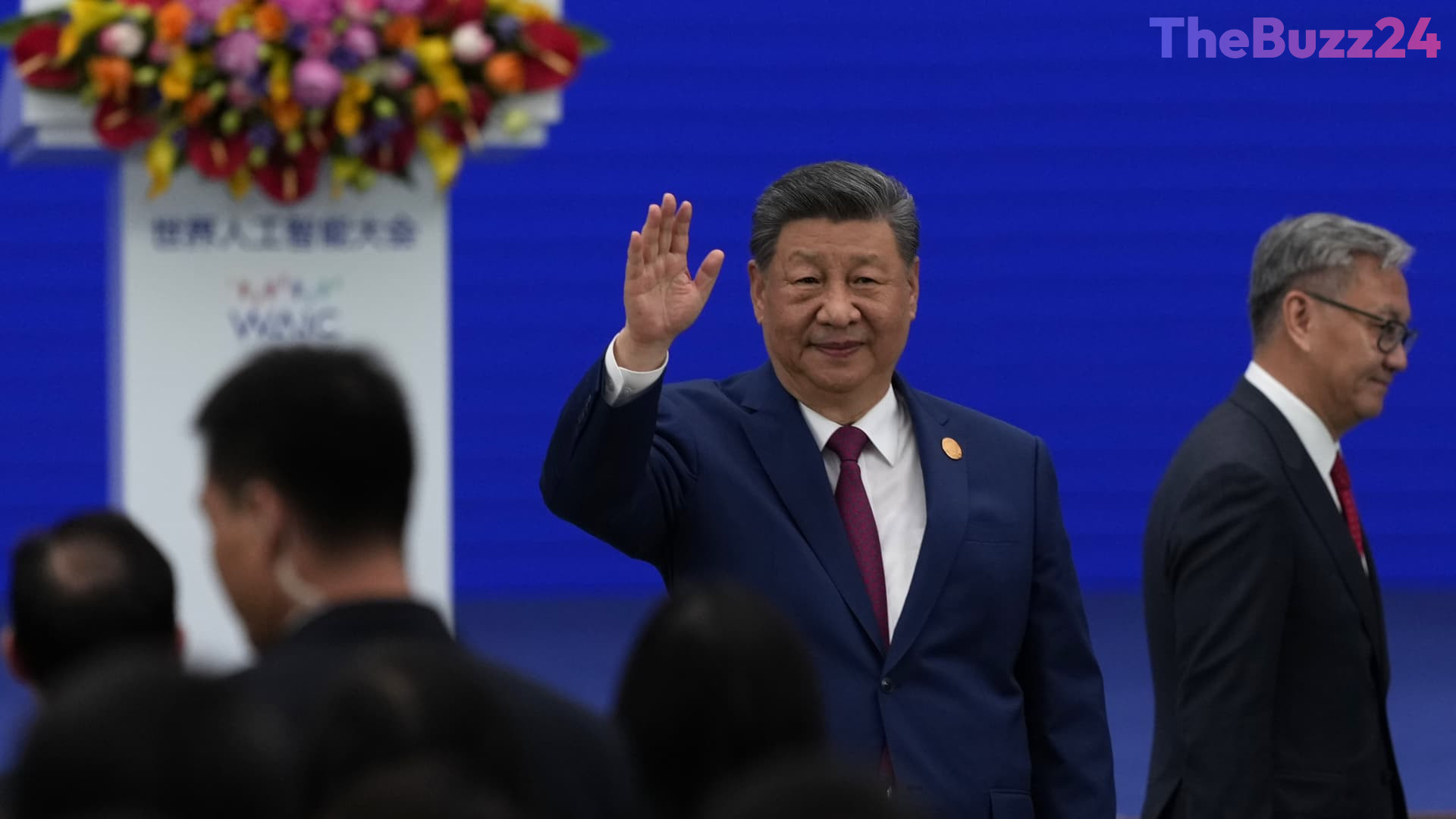
Chinese President Xi Jinping recently outlined a comprehensive vision for global artificial intelligence development and governance, positioning China as a key partner for the Global South. Speaking at the World AI Conference in Shanghai, President Xi announced that China plans to provide 5,000 AI training and seminar opportunities to developing nations over the next five years. This initiative is part of a broader strategy to expand AI cooperation with significant international blocs, including ASEAN, the African Union, the League of Arab States, and BRICS.
President Xi emphasized a “people-centered” approach to AI governance, advocating for systems that are “secure and controllable” and consistently remain under human oversight. He called for AI development to be a “symphony of international cooperation” rather than a “solo performance” by any single nation, signaling China’s readiness for more open and pragmatic collaboration. This push for global unity in AI development was underscored by the recent establishment of the World Artificial Intelligence Cooperation Organization (WAICO) in Shanghai, an agreement signed by 29 countries aimed at fostering international collaboration in the field.
During his address, President Xi also issued a cautionary note against “overstretching the national security concept” in AI, or prioritizing one country’s security above others. While not naming specific nations, these remarks come amidst a backdrop of escalating technological restrictions, particularly from the United States, which has implemented various export controls to limit China’s access to advanced computing chips and semiconductor manufacturing capabilities. Such measures have significantly impacted global tech giants like Nvidia, which has reported challenges in developing competitive products for the Chinese data center market due to regulatory hurdles.
In response to these dynamics, Chinese tech companies are intensifying their efforts in domestic innovation. Huawei, for instance, showcased its Atlas 950 SuperPoD supernode at the conference, designed to enhance computing power by linking multiple chips. This development highlights China’s strategic push to address the computing needs of large-scale data centers and advanced model training, aiming for greater self-reliance in the evolving global AI landscape.
Key Takeaways
- China commits to providing 5,000 AI training and seminar opportunities to developing countries and expanding cooperation with international blocs over the next five years.
- President Xi Jinping advocates for a "people-centered," secure, and internationally cooperative approach to AI governance, cautioning against national security overreach.
- The World Artificial Intelligence Cooperation Organization (WAICO) has been established in Shanghai, while geopolitical tensions continue to influence the global AI supply chain and drive domestic innovation in China.
Editor’s Analysis & Impact
President Xi Jinping’s pronouncements at the World AI Conference signal China’s strategic intent to shape the global AI narrative and foster a multi-polar AI ecosystem. By offering extensive training and cooperation to the Global South, Beijing aims to build alliances and counter Western-led technological restrictions, potentially creating a bifurcated AI development pathway. This move could accelerate AI adoption in developing nations, but also deepen their reliance on Chinese technology and standards. The implicit criticism of “national security overreach” directly addresses U.S. export controls, highlighting the ongoing tech rivalry. The establishment of WAICO further solidifies China’s ambition to lead in global AI governance, potentially setting alternative norms and standards. The long-term implications include increased competition in AI innovation, a potential fragmentation of global tech standards, and a rebalancing of technological influence, particularly in emerging markets.
Frequently Asked Questions
Q: What is China's main initiative for AI cooperation with developing countries?
A: China plans to provide 5,000 AI training and seminar opportunities to developing nations over the next five years and expand cooperation with blocs like ASEAN, the African Union, and BRICS.
Q: What is President Xi Jinping's stance on AI governance?
A: President Xi advocates for a "people-centered" approach, emphasizing that AI should be secure, controllable, and remain under human oversight. He also calls for international cooperation and warns against national security concepts that prioritize one country's security over others.
Q: What is the World Artificial Intelligence Cooperation Organization (WAICO)?
A: WAICO is a new organization established in Shanghai by 29 countries, aimed at fostering international collaboration and cooperation in the field of artificial intelligence.
AI Disclosure: This article is based on verified data and official reports. Our Team and AI have cross-referenced every financial detail with primary sources to ensure total accuracy.
More from this Category