Curiosity Rover Unearths Evidence of Long-Term Habitability on Ancient Mars
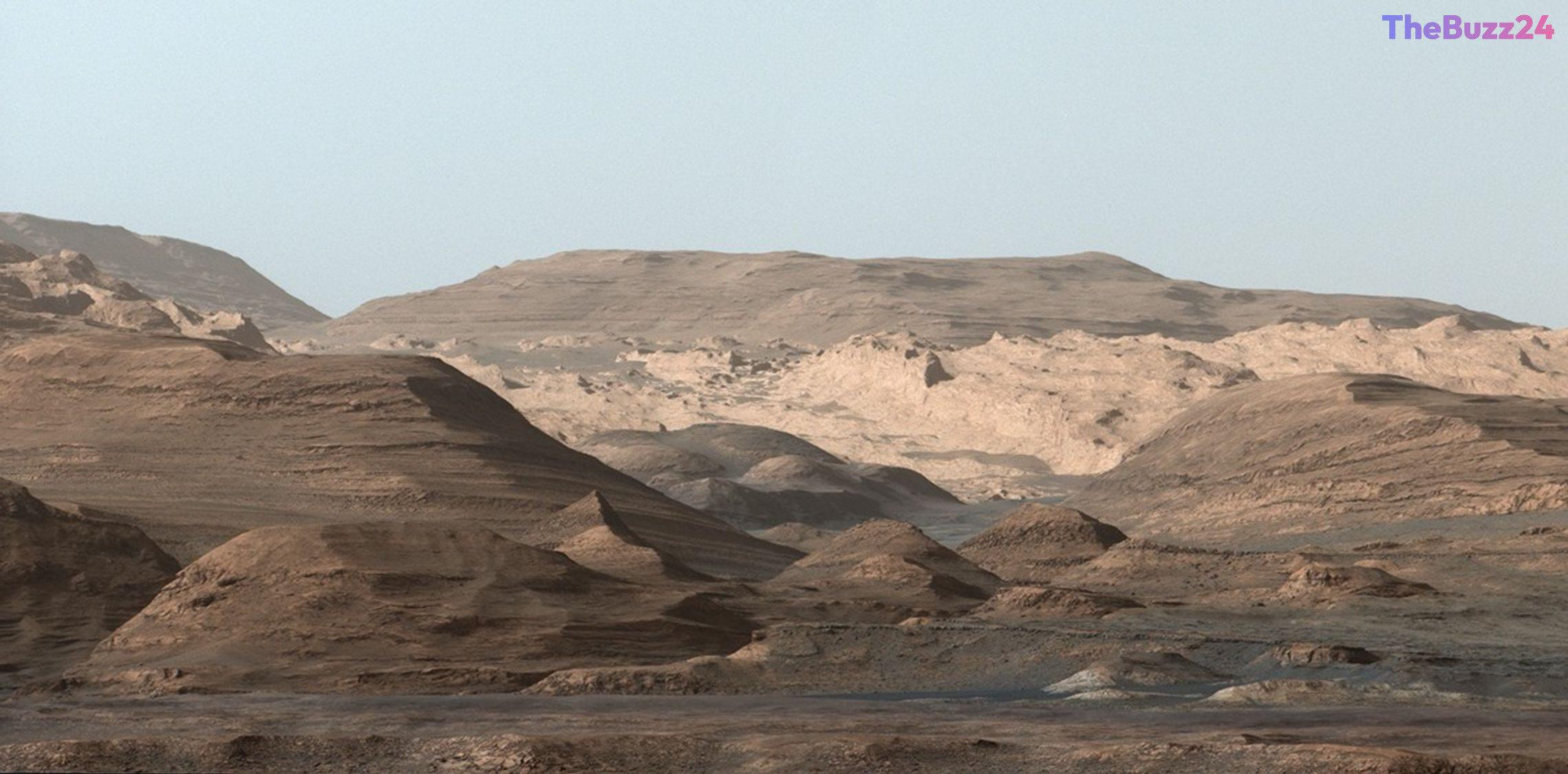
New findings from the Curiosity rover are reshaping our understanding of the Martian climate transition, offering a detailed timeline of how the planet shifted from a water-rich environment to the barren desert seen today. By conducting an in-depth analysis of iron oxide hematite samples gathered from various elevations within Gale Crater, researchers have uncovered mineralogical evidence that serves as a geological record of the planet’s past environmental conditions. The study highlights that the physical structure and size of these crystals were directly influenced by the water availability and temperatures present during their formation.
Using the rover’s Chemistry and Minerology (CheMin) instrument, the team examined 20 distinct rock samples, revealing a clear disparity in crystal development across different geological layers. Larger hematite crystals were found in lower, older elevations, while smaller crystals dominated the higher, younger layers. The discovery of goethite exclusively in the upper layers further supports the theory that the deeper, older sections of the crater were submerged in warm, liquid water for an extended period, potentially spanning up to 4.7 million years.
The formation of these larger crystals is linked to a process called Ostwald ripening, which requires stable, warm conditions. This suggests that long-lived aquifers may have persisted deep within the Martian crust, maintaining a potentially habitable environment long after the surface began to cool. Unlike previous theoretical models, this data provides direct, high-fidelity evidence from the Martian surface, marking a significant leap forward in our ability to reconstruct the thermal and chemical history of the Red Planet.
This breakthrough demonstrates the advanced capabilities of the Curiosity rover, which has moved beyond simple mineral identification to precise structural analysis. By measuring the dimensions of these crystals, scientists are gaining unprecedented insights into the duration of water activity on Mars. These findings are essential for evaluating the planet’s potential to have supported ancient life, particularly within its subsurface environments, and provide a roadmap for future exploration missions.
Key Takeaways
- Analysis of hematite crystals in Gale Crater suggests Mars maintained warm, liquid water for up to 4.7 million years.
- The presence of larger crystals in older rock layers indicates stable, long-term environmental conditions suitable for potential subsurface life.
- The Curiosity rover successfully utilized in-situ mineralogical analysis to provide direct evidence of Mars' ancient climate history.
Editor’s Analysis & Impact
The findings from the Curiosity rover represent a pivotal shift in planetary science, moving from speculative climate modeling to empirical, site-specific geological evidence. By identifying the specific conditions required for Ostwald ripening, researchers have effectively extended the window of potential habitability on Mars. This has profound implications for future astrobiology missions, as it shifts the focus toward subsurface exploration where liquid water may have persisted longest. From an industry perspective, this validates the investment in high-precision, in-situ analytical instrumentation for space exploration. As we look toward future crewed missions, understanding the longevity of these ancient aquifers is critical for identifying potential landing sites and resources. The ability to reconstruct the thermal history of a planet using mineral markers will likely become a standard protocol for all future planetary surface missions, significantly increasing the scientific return on investment for space agencies.
Frequently Asked Questions
Q: What is Ostwald ripening and why is it important to this study?
A: Ostwald ripening is a process where smaller crystals dissolve and redeposit onto larger crystals in a stable, warm environment. Its presence in Martian hematite samples provides direct evidence that liquid water existed in a stable state for a long duration.
Q: How does this discovery change our view of ancient Mars?
A: It suggests that even as the surface of Mars became arid and cold, the subsurface may have remained warm and wet for millions of years longer than previously thought, significantly increasing the timeframe for potential ancient life.
AI Disclosure: This article is based on verified data and official reports. Our Team and AI have cross-referenced every financial detail with primary sources to ensure total accuracy.
More from this Category