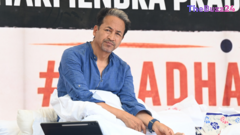
Indian Activist Sonam Wangchuk Continues Hunger Strike Amidst Escalating Education Reform Protests
Prominent Indian activist Sonam Wangchuk has entered his 26th day of a hunger strike, advocating for significant education reforms and the resignation of Education Minister Dharmendra Pradhan. Despite losing 11kg (24lb) and being hospitalized, Wangchuk asserts he is “still alive” and remains steadfast in his protest.
Wangchuk, widely known as “Sonam sir,” has been a central figure in a youth-led movement, the Cockroach Janta Party (CJP), which seeks accountability for repeated exam paper leaks. He was forcibly removed from the CJP’s protest site at Delhi’s Jantar Mantar and admitted to Medanta Hospital, Gurugram, where he continues his fast. Hospital officials confirm he is stable and receiving multidisciplinary care in the ICU, with his vital signs within accepted parameters.
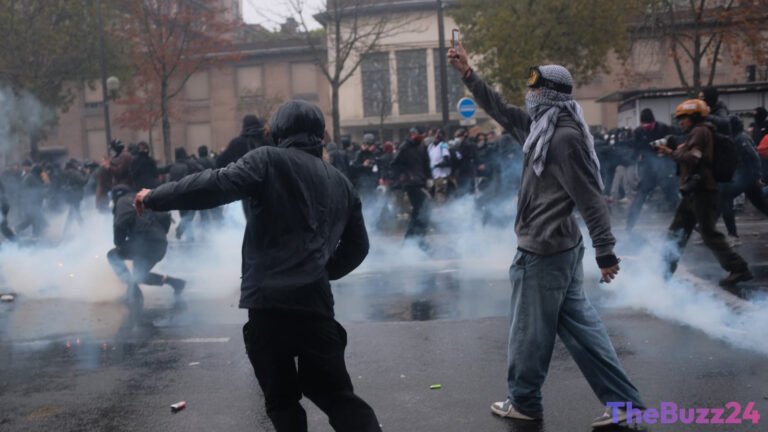
Meanwhile, thousands continue to gather at the protest venue, undeterred by a brutal police crackdown on a recent march to parliament that left dozens injured. This escalating violence has ignited public anger and galvanized India’s opposition, posing a significant challenge to Prime Minister Narendra Modi’s government. While Modi has not directly addressed the protests, he posted a statement on X emphasizing the welfare of youth and promising fast-track courts for those involved in paper leaks. However, a CJP spokesperson, Ashutosh Ranka, countered that the core issue of why leaks occur remains unaddressed, signaling the protesters’ resolve.
Despite appeals from Health Minister JP Nadda, opposition MPs, activists, and celebrities to end his fast, Wangchuk has refused. In a video statement from his hospital bed, he stated he would only cease his hunger strike if the government provides a firm assurance against the use of force or retaliatory action against students. The CJP, led by founder Abhijeet Dipke, insists that Pradhan’s resignation remains a non-negotiable demand, vowing to continue the peaceful protest until their objectives are met.
Key Takeaways
- Indian activist Sonam Wangchuk is on his 26th day of a hunger strike, demanding education reforms and the resignation of Education Minister Dharmendra Pradhan, despite health concerns and hospitalization.
- The Cockroach Janta Party (CJP) is leading widespread protests, which have faced police crackdowns and garnered significant public and opposition support, challenging the Modi government.
- Wangchuk has refused appeals to end his fast, stating he will only do so if the government guarantees no retaliatory action against students involved in the protests.
Editor’s Analysis & Impact
The ongoing hunger strike by Sonam Wangchuk and the escalating protests led by the Cockroach Janta Party highlight deep-seated frustrations within India’s youth regarding education system integrity and government accountability. This situation presents a significant political challenge for Prime Minister Modi’s administration, particularly given the upcoming political landscape. The government’s response, balancing student welfare statements with police action, indicates a delicate tightrope walk between addressing grievances and maintaining order. Should the protests intensify or Wangchuk’s health deteriorate further, it could significantly impact public sentiment and potentially influence future policy decisions, especially concerning youth engagement and governance transparency. The movement’s ability to mobilize large numbers, despite not being a registered political party, underscores the potent force of social activism in India.
Frequently Asked Questions
Q: Who is Sonam Wangchuk and what are his demands?
A: Sonam Wangchuk is a prominent Indian activist who is on a hunger strike. He is demanding significant education reforms and the resignation of Education Minister Dharmendra Pradhan, primarily in response to repeated exam paper leaks and a perceived lack of accountability.
Q: What is the Cockroach Janta Party (CJP)?
A: The Cockroach Janta Party (CJP) is a satirical political movement that has evolved into a significant youth-led protest movement. It was inspired by remarks made by India's chief justice and is now at the forefront of the protests demanding education reforms and accountability.
Q: How has the Indian government responded to the protests and Wangchuk's hunger strike?
A: Prime Minister Narendra Modi has addressed student welfare and promised fast-track courts for those involved in paper leaks, but has not directly engaged with the protesters' specific demands. Health Minister JP Nadda and other officials have appealed to Wangchuk to end his fast, while police have used force to disperse protests, leading to clashes and arrests.
AI Disclosure: This article is based on verified data and official reports. Our Team and AI have cross-referenced every financial detail with primary sources to ensure total accuracy.
More from this Category