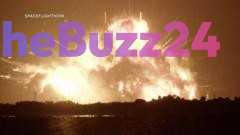
Blue Origin Launch Pad Explosion Disrupts Amazon and NASA Mission Timelines
A major industrial accident at Florida’s Kennedy Space Center has left the future of the New Glenn rocket program in doubt. During a routine engine test at Space Launch Complex 36, a catastrophic explosion occurred, causing severe structural damage to the launch facility, including the total collapse of a critical lightning protection tower. Although officials confirmed that no personnel were injured in the blast, the destruction of the site has effectively grounded the entire New Glenn fleet, as this facility is the only one currently capable of supporting the massive launch vehicle.
The incident presents a significant hurdle for Amazon, which relies on the New Glenn rocket to deploy its upcoming constellation of 48 broadband satellites. This project is a cornerstone of the company’s strategy to challenge existing satellite internet providers. With strict regulatory deadlines imposed by the FCC, the loss of this launch capability forces Amazon to seek alternative, potentially more expensive launch providers to maintain its orbital deployment schedule. Experts anticipate that the site repairs and subsequent safety re-certifications will require several months, creating a bottleneck for the company’s connectivity goals.
Furthermore, the explosion has created a ripple effect for NASA’s long-term lunar exploration objectives. Blue Origin serves as a primary contractor for the agency’s Moon Base 1 initiative, with the New Glenn rocket designated to transport the ‘Endurance’ lander to the lunar south pole. The setback also threatens the 2028 delivery timeline for essential lunar terrain vehicles. As NASA works to maintain its ambitious schedule for crewed lunar landings, this logistical failure may force a comprehensive reassessment of the agency’s mission roadmap and its reliance on specific commercial partners.
Key Takeaways
- A catastrophic engine test failure at Kennedy Space Center has destroyed the primary launch pad for Blue Origin's New Glenn rocket.
- Amazon faces significant pressure to meet FCC satellite deployment deadlines following the loss of its dedicated launch vehicle.
- NASA's lunar exploration timeline, including the Moon Base 1 mission and 2028 terrain vehicle delivery, is now at risk due to the launch platform's unavailability.
Editor’s Analysis & Impact
The explosion at Space Launch Complex 36 represents a critical inflection point for both commercial spaceflight and government-led lunar exploration. For Amazon, the incident highlights the inherent risks of vertical integration in the satellite internet sector; relying on a single, unproven launch vehicle creates a single point of failure that can jeopardize multi-billion dollar regulatory commitments. From a broader industry perspective, this event underscores the fragility of the current space supply chain. As NASA increasingly pivots toward a ‘commercial-first’ model for lunar logistics, the agency becomes inherently vulnerable to the developmental setbacks of its private partners. The coming months will be a test of resilience for Blue Origin, as they must balance the urgent need for facility reconstruction with the rigorous safety scrutiny that will inevitably follow such a high-profile failure.
Frequently Asked Questions
Q: Will the explosion affect the safety of future Blue Origin launches?
A: Yes, the incident will trigger a comprehensive investigation and likely lead to more stringent safety protocols and re-certification requirements before the New Glenn rocket is cleared for flight again.
Q: How does this impact NASA's lunar landing goals?
A: Because Blue Origin is a key contractor for the 'Endurance' lander and lunar terrain vehicles, the loss of the launch platform creates a logistical delay that may force NASA to push back its 2028 crewed landing targets.
AI Disclosure: This article is based on verified data and official reports. Our Team and AI have cross-referenced every financial detail with primary sources to ensure total accuracy.
More from this Category