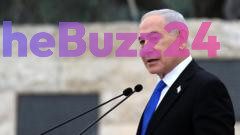
Netanyahu Directs IDF to Expand Operational Control Across Gaza Strip
Israeli Prime Minister Benjamin Netanyahu has issued a formal directive to the Israel Defense Forces (IDF) to extend their operational control to 70 percent of the Gaza Strip. This strategic expansion follows a reported increase in military presence from 50 percent to 60 percent, as the government seeks to systematically dismantle remaining Hamas strongholds throughout the territory. The move signals a hardening of military policy despite the existence of a ceasefire agreement originally established in October 2025.
The directive creates significant friction regarding the peace framework brokered by Donald Trump, which had envisioned a withdrawal of forces to a specific demarcation line. While the 20-point plan was designed to facilitate the disarmament of Hamas and the eventual transition of security responsibilities, current diplomatic efforts remain at a standstill. Defense Minister Israel Katz has emphasized that the primary objective remains the total elimination of the leadership responsible for the October 7, 2023, attacks, ensuring that the group is stripped of all civil and military governance capabilities.
In the field, the IDF has intensified targeted operations in key urban centers, including Gaza City and Khan Younis, focusing on high-ranking commanders and the group’s financial infrastructure. These military maneuvers have led to a sharp rise in casualties, further exacerbating an already dire humanitarian crisis. Local health authorities report that the death toll has surpassed 72,000, with a significant portion of the population displaced and facing severe shortages of essential resources as the conflict continues to escalate.
Key Takeaways
- Prime Minister Netanyahu has ordered the IDF to expand its operational footprint to cover 70 percent of the Gaza Strip.
- The directive complicates the 20-point peace plan brokered by Donald Trump, which previously called for troop withdrawals.
- Military operations are currently focused on dismantling Hamas leadership and financial networks, amid a rising death toll exceeding 72,000.
Editor’s Analysis & Impact
The decision to expand territorial control in Gaza represents a significant pivot away from the diplomatic frameworks previously established to de-escalate the conflict. By prioritizing the total dismantling of Hamas’s infrastructure over the terms of the Trump-brokered peace plan, the Israeli government is signaling a long-term commitment to a military-led security architecture. This shift likely ensures that the stalemate in negotiations will persist, as the gap between the stated military objectives and the requirements for a sustainable ceasefire continues to widen. The broader implications suggest a prolonged period of instability, with the humanitarian crisis likely to intensify as military operations penetrate deeper into densely populated areas. International pressure is expected to mount as the discrepancy between the peace proposal’s goals and the reality on the ground becomes increasingly difficult to reconcile.
Frequently Asked Questions
Q: What is the primary goal of the expanded IDF operations in Gaza?
A: The primary goal is to dismantle remaining Hamas strongholds, neutralize leadership, and eliminate the group's civil and military authority over the region.
Q: How does this directive affect the peace plan brokered by Donald Trump?
A: The directive conflicts with the peace plan's requirement for Israeli forces to withdraw to a specific demarcation line, effectively stalling the implementation of the proposed disarmament and withdrawal phases.
AI Disclosure: This article is based on verified data and official reports. Our Team and AI have cross-referenced every financial detail with primary sources to ensure total accuracy.
More from this Category