Faulty Air Conditioner Sparks Tragic Fire at Algerian Orphanage, Leaving 11 Dead
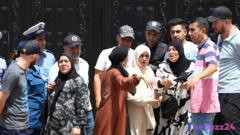
A devastating fire at a children’s care home in Mohammadia, an eastern suburb of Algiers, has claimed the lives of 11 people and left 19 others injured. The blaze, which broke out in the early hours of Thursday morning, required a massive emergency response, with ten fire engines and 16 ambulances deployed to the scene. Firefighters battled the flames for over three hours before bringing the situation under control. Among the victims were children and at least one adult carer, while emergency responders successfully rescued five children with reduced mobility from the burning facility.
Forensic investigators have determined that the fire was triggered by an electrical spark from a faulty air-conditioning unit. The appliance had been running continuously to combat an intense summer heatwave currently sweeping across Algeria. This extreme weather has also sparked numerous wildfires across the northern regions of the country, stretching emergency resources. Prime Minister Sifi Ghrieb visited survivors at two local hospitals, where they are receiving treatment for smoke inhalation, burns, and shock, while President Abdelmajid Tebboune expressed deep sorrow over the tragedy.
The incident has ignited widespread public anger and intense scrutiny over safety standards in public institutions. Opposition political figures, including the Jil Jadid party, have demanded a transparent investigation to establish legal accountability for any negligence. There are growing calls from journalists and civil society for a comprehensive, nationwide safety audit of all orphanages, care homes, schools, and hospitals to prevent future disasters. Critics have also pointed out the absence of local municipal and provincial leaders during the initial rescue operations, fueling demands for systemic administrative reforms.
Key Takeaways
- A faulty air-conditioning unit running continuously during a heatwave sparked a fire that killed 11 people, including children, at an Algiers orphanage.
- Emergency services rescued five children with reduced mobility, while 19 others were injured and hospitalized.
- The tragedy has sparked national outrage, leading to demands for a transparent investigation and nationwide safety audits of public care facilities.
Editor’s Analysis & Impact
This tragic incident highlights the compounding dangers of extreme weather events and lagging infrastructure safety standards in developing regions. As global temperatures rise, the reliance on cooling systems increases exponentially, putting unprecedented strain on electrical grids and individual appliances. When public facilities like orphanages and hospitals lack rigorous, routine safety inspections, the consequences of equipment failure can be catastrophic. This disaster is likely to pressure the Algerian government to implement stricter building codes and mandatory fire safety audits across all public care facilities. Beyond the immediate political fallout and demands for accountability, this event serves as a stark warning for policymakers worldwide about the urgent need to adapt public infrastructure to withstand the realities of intensifying seasonal heatwaves.
Frequently Asked Questions
Q: What caused the fire at the Algerian orphanage?
A: Forensic investigators determined that the fire was caused by an electrical spark from a faulty air-conditioning unit that had been running continuously due to an intense summer heatwave.
Q: Who were the victims of the tragedy?
A: The fire claimed the lives of 11 people, including children residing at the care home and at least one adult carer. Additionally, 19 people were injured and treated for burns, shock, and smoke inhalation.
Q: What actions are being demanded in the wake of this incident?
A: Opposition groups, media figures, and the public are calling for a transparent investigation to hold negligent parties accountable, alongside a nationwide safety audit of orphanages, schools, and hospitals.
AI Disclosure: This article is based on verified data and official reports. Our Team and AI have cross-referenced every financial detail with primary sources to ensure total accuracy.
More from this Category