Middle East Tensions Grip Oil Markets: Supply Fears Escalate
Global oil prices experienced minimal fluctuation on Wednesday, yet a palpable sense of unease permeated trading floors as escalating tensions in the Middle East cast a shadow over supply stability. Investors remain vigilant, closely monitoring developments that could disrupt the flow of crude from a critical global energy hub.
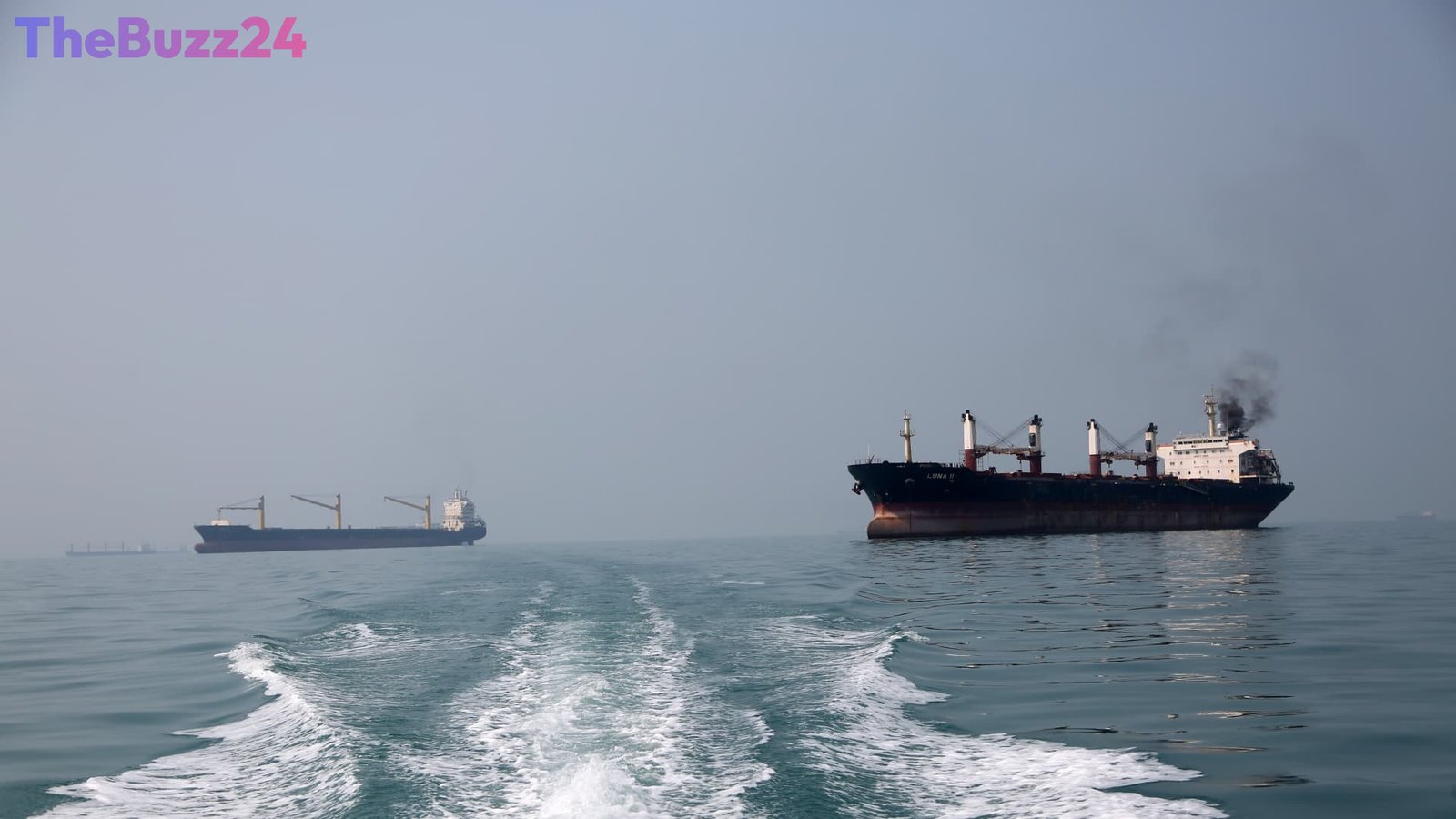
Recent incidents, including reported attacks on tankers in the vicinity of the Strait of Hormuz and strikes against Saudi Arabian energy infrastructure by Iran-backed Houthi forces, have heightened concerns. These events have directly impacted market sentiment, contributing to the cautious trading environment. The Strait of Hormuz, a vital chokepoint for global oil transport, has become a focal point of these geopolitical risks.
Adding to the supply-side anxieties, Yemen’s Houthi militants have claimed responsibility for recent attacks targeting key Saudi Aramco facilities and airports. These actions underscore the volatile nature of the region and its potential to affect global energy markets. The ripple effect of these developments is already being felt in shipping costs, which have seen a significant surge, placing additional pressure on energy prices and potentially impacting refiners’ profit margins and the cost of refined fuels.
Key Takeaways
- Oil prices remained largely stable despite heightened geopolitical risks in the Middle East.
- Attacks on tankers near the Strait of Hormuz and Saudi energy facilities by Iran-backed groups are driving supply disruption fears.
- Global oil shipping costs have surged significantly, impacting refiners and potentially leading to higher fuel prices.
Editor’s Analysis & Impact
The current geopolitical climate in the Middle East presents a significant challenge for global energy markets. The repeated incidents, particularly around the Strait of Hormuz, highlight the fragility of oil supply routes. The surge in shipping costs, as noted by Goldman Sachs, is a direct consequence, creating a ‘war-risk premium’ that affects the entire value chain. Refiners, especially in Asia, are likely to face squeezed margins, which could translate into higher prices for consumers at the pump. This situation underscores the market’s sensitivity to regional stability and the ongoing need for diversified energy sources and secure shipping lanes.
Frequently Asked Questions
Q: What is the Strait of Hormuz and why is it important for oil prices?
A: The Strait of Hormuz is a narrow waterway connecting the Persian Gulf to the Gulf of Oman. It is one of the world's most critical oil transit points, with a significant portion of global oil supply passing through it daily. Any disruption or threat to shipping in this strait can lead to immediate price increases due to supply concerns.
Q: Who are the Houthi militants and what is their role in the current tensions?
A: The Houthi movement is an Iran-aligned Zaydi religious and political group based in Yemen. They have been involved in a protracted conflict in Yemen and have claimed responsibility for attacks on Saudi Arabian infrastructure, including oil facilities. Their actions are seen as part of the broader regional power struggle involving Iran.
AI Disclosure: This article is based on verified data and official reports. Our Team and AI have cross-referenced every financial detail with primary sources to ensure total accuracy.
More from this Category