Nvidia Unveils Containerized Vera Rubin AI Racks Designed for Rapid Truck Transport
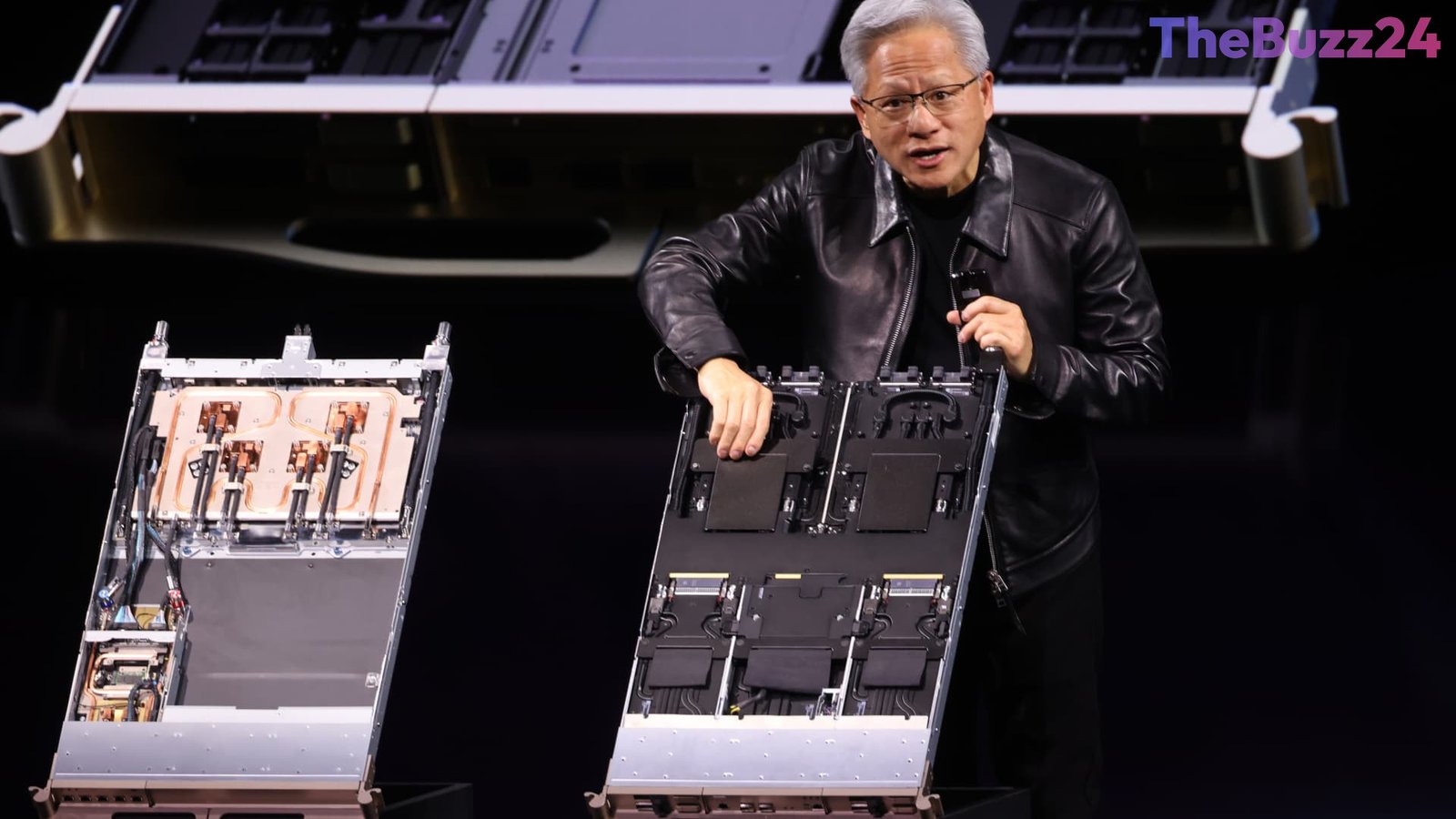
Technology giant Nvidia has introduced an innovative approach to artificial intelligence infrastructure with the launch of the DSX Pod AI Factory. This new product packages seven Vera Rubin AI racks into a standard shipping container, weighing approximately 28,000 kilograms. By assembling all internal cabling and liquid cooling systems at the factory prior to delivery, the company aims to simplify and accelerate the deployment of high-performance computing facilities globally.
The containerized system is specifically engineered for transport via standard commercial trucks on normal roadways, streamlining the logistics of setting up massive data centers. Once the unit arrives at its destination, it is positioned, connected to neighboring containers, and subjected to final testing. Executives note that this plug-and-play architecture can drastically slash the time required to bring a new AI data center online from six months down to just 14 days, offering a vital solution for regions facing deployment hurdles.
While official pricing has not been disclosed by the manufacturer, financial analysts estimate that an individual Vera Rubin rack may command a price tag exceeding $7 million. To bring the DSX Pod to market, Nvidia is partnering with prominent manufacturing heavyweights, including Foxconn, Lenovo, Hewlett Packard Enterprise, Gigabyte, Quanta, and Pegatron. Initial customer deliveries are officially scheduled to commence in early 2027.
Over the past several years, Nvidia has aggressively expanded its business model far beyond traditional semiconductor manufacturing, evolving into a comprehensive provider of networking, storage, and full-scale data center solutions. This strategic shift from individual graphics processing units to fully integrated containerized systems highlights the company’s growing dominance in the enterprise AI hardware ecosystem, significantly increasing the value proposition per gigawatt of data center infrastructure.
Key Takeaways
- Nvidia introduced the DSX Pod AI Factory, housing seven Vera Rubin AI racks inside a standard shipping container.
- The pre-assembled containerized units include factory-installed liquid cooling and cabling, designed for standard truck transport.
- The new system reduces data center deployment times from six months to 14 days, with shipments slated to begin in early 2027.
Editor’s Analysis & Impact
Nvidia’s introduction of the containerized DSX Pod AI Factory marks a critical evolution in data center architecture, addressing the mounting logistical bottlenecks of the artificial intelligence boom. By pre-assembling complex liquid cooling and cabling, Nvidia is effectively shifting from a component supplier to an end-to-end infrastructure provider. This transition allows the company to capture a significantly larger share of data center capital expenditures, pushing the revenue potential per gigawatt to unprecedented heights. For the broader industry, this plug-and-play model lowers the barrier to entry for rapid infrastructure scaling, which will likely accelerate enterprise AI adoption worldwide while further cementing Nvidia’s market dominance.
Frequently Asked Questions
Q: What is the Nvidia DSX Pod AI Factory?
A: It is a containerized system roughly the size of a standard shipping container that houses seven Vera Rubin AI racks, complete with pre-assembled liquid cooling and cabling.
Q: How does the DSX Pod speed up data center deployment?
A: By handling the complex integration of cooling and cabling at the factory, the unit only requires placement, connection, and final testing on-site, reducing setup time from six months to 14 days.
Q: When will the DSX Pod be available to customers?
A: Nvidia has announced that deliveries for the DSX Pod are expected to begin in early 2027 through its network of manufacturing partners.
AI Disclosure: This article is based on verified data and official reports. Our Team and AI have cross-referenced every financial detail with primary sources to ensure total accuracy.
More from this Category